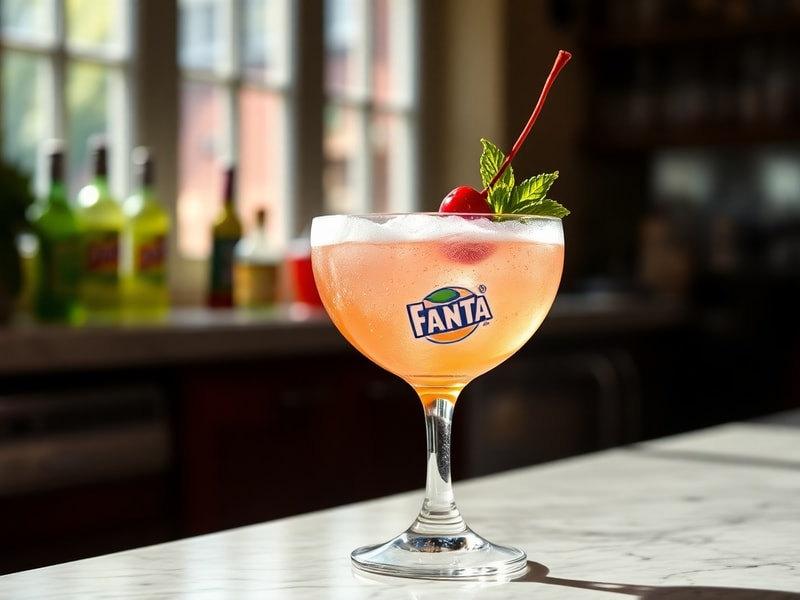
The Fanta Vanilla Cherry Spritz isn’t just another soda innovation—it’s a global experiment in flavor nostalgia, modern mixology, and the ever-shifting tastes of beverage consumers. Launched in select markets as part of Coca-Cola’s ongoing push to refresh its Fanta brand, this lightly sparkling citrus soda blends creamy vanilla with tart cherry notes, offering a crisp, effervescent sip that bridges traditional fruit flavors and contemporary dessert-inspired tastes. But behind the fizzy facade lies a deeper story: one of cultural adaptation, regional preferences, and the surprising ways global brands reinvent classics for new audiences.
The Evolution of Fanta: From Wartime Surplus to Flavor Innovation
Fanta has a history unlike any other soft drink. Born in Germany during World War II, the brand emerged from wartime shortages when Coca-Cola’s German subsidiary couldn’t import syrup from the U.S. The solution? A fruit-flavored soda made from local ingredients—hence “Fanta,” derived from the German word “Fantasie,” meaning imagination. What began as necessity became identity. Over decades, Fanta evolved from a wartime concoction into a symbol of post-war joy, global youth culture, and regional pride.
Today, Fanta is no longer just orange. The brand has expanded into over 100 flavors worldwide, with regional favorites like Fanta Shokata in Romania (based on elderflower), Fanta Melon in Japan, and Fanta Pineapple in many African nations. This localization strategy reflects a key insight: flavor preferences are not universal. What sells in São Paulo may not resonate in Seoul. The Vanilla Cherry Spritz is the latest attempt to find a middle ground—a flavor profile that feels familiar yet fresh, nostalgic yet modern.
According to industry analysts, Fanta’s global portfolio now accounts for nearly 20% of Coca-Cola’s total non-Cola beverage sales outside the U.S. That’s a significant shift from its original role as a wartime workaround. The Vanilla Cherry Spritz taps into the growing demand for “dessert-inspired” beverages, a trend driven by younger consumers who blend snacking and drinking habits across platforms like TikTok and Instagram. Brands are responding by launching products that aren’t just drinks—they’re experiences.
Why Vanilla and Cherry? The Science and Sentiment Behind the Blend
The pairing of vanilla and cherry isn’t arbitrary. It’s rooted in both chemistry and culture. Vanilla, with its warm, creamy profile, softens the acidity of cherry, creating a balanced sweetness that lingers pleasantly. This combination is already familiar to consumers through desserts like cherry pie with vanilla ice cream, Black Forest cake, or even certain milkshakes. By translating these flavors into a sparkling format, Fanta isn’t inventing a new taste—it’s repackaging a beloved combination for on-the-go consumption.
Psychological studies on flavor preferences consistently show that sweet-and-tart combinations dominate in snack and beverage trends, especially among Gen Z and Millennials. A 2023 report from Innova Market Insights highlighted that 42% of new beverage launches in the past year featured dual flavor profiles, with vanilla-cherry among the top emerging pairs. This reflects a broader cultural shift toward “complex simplicity”—flavors that feel layered but remain easy to understand and enjoy.
Coca-Cola’s own taste tests revealed that the Vanilla Cherry Spritz performed strongest in urban markets with high café culture, such as Los Angeles, London, and Tokyo. In these cities, consumers are already accustomed to floral and fruity coffee additives, flavored sparkling waters, and even alcoholic spritzes like Aperol Spritz. The soda’s name—“Spritz”—directly borrows from this cultural lexicon, positioning it not as a child’s drink, but as a sophisticated, refreshment-forward beverage suitable for brunch or a casual afternoon hangout.
A Global Product for Local Palates: How Fanta Adapts
While the Vanilla Cherry Spritz may debut in select regions, its rollout strategy is anything but random. Coca-Cola uses a phased approach, testing flavors in markets where consumer behavior aligns with the product’s profile. For example, in the U.S., the drink is being positioned as a limited-edition summer release, with marketing emphasizing its versatility in cocktails and mocktails. Meanwhile, in parts of Europe, it’s being sold as a standalone soda in sleek 330ml cans, targeting young adults who prioritize Instagram-worthy packaging.
This adaptability is crucial. Consider how Fanta’s approach differs from competitors like PepsiCo’s Mountain Dew or Dr Pepper. While those brands often focus on bold, aggressive flavors (think Baja Blast or Diet Dr Pepper Zero Sugar), Fanta leans into subtlety and elegance. The Vanilla Cherry Spritz is less about shock value and more about harmony—a quality that resonates in cultures where understated sophistication is valued.
Here’s how the rollout is likely to unfold across key regions:
- North America: Limited-edition summer release, heavily promoted on social media with user-generated content challenges (e.g., “Show us your Spritz”).
- Europe: Standard retail distribution in major cities, with partnerships with local food influencers and café chains.
- Asia-Pacific: Potential collaboration with boba tea shops to create a “Spritz float” or layered drink experience.
- Middle East: Halal-certified version, possibly with a lower sugar variant to align with regional health trends.
Such localization isn’t just about sales—it’s about respect. By acknowledging regional tastes and cultural norms, Fanta avoids the pitfalls of cultural imperialism that have tripped up other global brands. The result is a product that feels both familiar and fresh, no matter where it’s enjoyed.
More Than a Soda: The Cultural Role of Flavor Experimentation
The Vanilla Cherry Spritz isn’t just a beverage—it’s a cultural artifact. It reflects the current moment in consumer behavior, where authenticity, nostalgia, and innovation intersect. In an era of algorithm-driven trends, consumers crave products that feel personal, even intimate. A soda that reminds you of a dessert from your childhood, or a drink you once had in a café abroad, carries emotional weight.
This emotional connection is why limited-edition flavors thrive. They create urgency. They encourage sharing. They turn consumption into participation. The Spritz taps into this psychology by positioning itself as an “experience in a can.” The name itself—“Spritz”—evokes leisure, relaxation, and conviviality. It’s no accident that the term is borrowed from Italian, a language often associated with art, food, and dolce far niente (the sweetness of doing nothing).
Moreover, the drink’s clean ingredient list—no artificial colors, no high-fructose corn syrup in many markets—aligns with growing consumer demand for transparency. In a 2024 survey by Deloitte, 68% of Gen Z respondents said they preferred beverages with recognizable ingredients. Fanta’s use of natural flavors (derived from real vanilla and cherry extracts in some formulations) plays into this preference, even as it navigates the complexities of global supply chains.
But the product’s success isn’t guaranteed. Beverage trends can shift rapidly. A flavor that excites today may feel dated tomorrow. That’s why Coca-Cola’s strategy includes continuous feedback loops, from social media sentiment analysis to in-store taste panels. The Vanilla Cherry Spritz is, at its core, a hypothesis—a bet that the world is ready for a more refined, dessert-forward soda experience.
Whether it becomes a cult favorite or fades into obscurity remains to be seen. But one thing is clear: in a market saturated with options, the brands that win aren’t just selling drinks—they’re selling moments. And the Fanta Vanilla Cherry Spritz is positioning itself not just to be drunk, but to be remembered.
For those eager to explore how flavor innovation intersects with global culture, check out our Culture section, where we analyze trends shaping entertainment, food, and lifestyle around the world. And if you’re curious about how these trends influence Sports nutrition and energy drink evolution, dive into our deep-dive analysis on the topic.