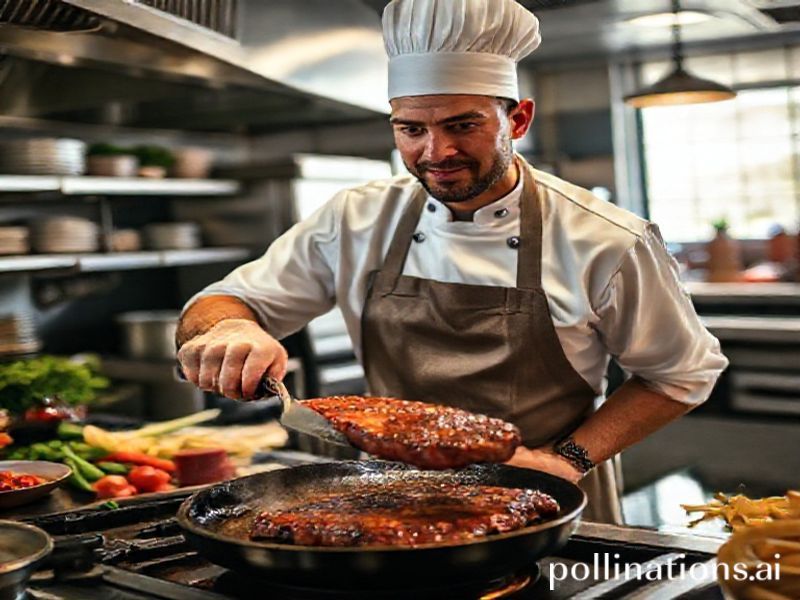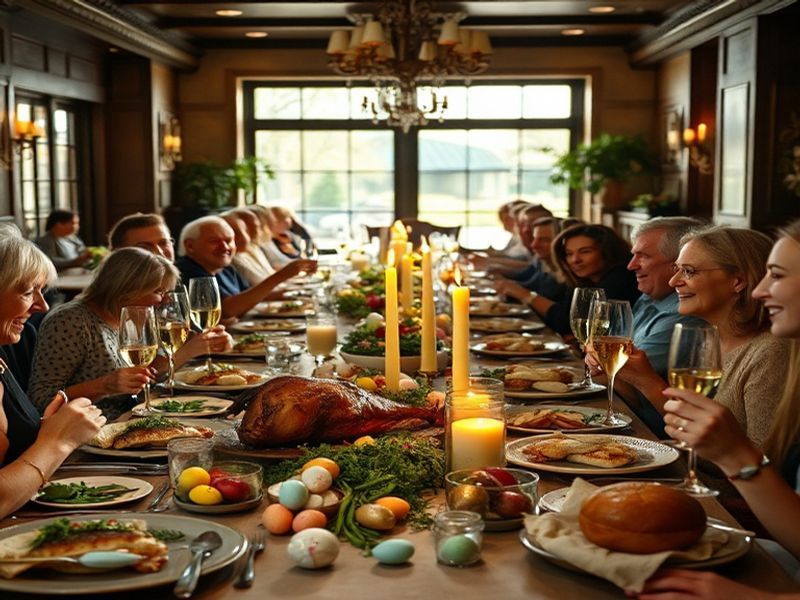
Easter Sunday marks one of the most significant holidays in the Christian calendar, but its celebration extends far beyond religious observance. Around the world, families gather to share meals that blend tradition, seasonal ingredients, and cultural identity. Restaurants play a vital role in this tradition, offering special menus, family-style feasts, and festive ambiance that make the day memorable.
From the lamb roasts of Mediterranean Europe to the ham-centered spreads of North American brunches, Easter dining reflects local flavors and customs. This article explores how restaurants adapt to the holiday, the global variations in Easter Sunday meals, and the evolving expectations of diners seeking both convenience and authenticity.
Easter Sunday Dining Trends: What Diners Are Looking For
In recent years, Easter Sunday has become one of the busiest dining days of the year for restaurants. According to the National Restaurant Association, Easter is consistently among the top five holidays for restaurant visits in the United States. Diners increasingly seek out curated experiences that combine festive atmosphere with culinary excellence.
Restaurants respond to this demand in several ways:
- Special Holiday Menus: Many establishments offer prix-fixe Easter brunches or dinners featuring seasonal ingredients like asparagus, morels, and lamb. These menus often highlight locally sourced produce to align with spring harvests.
- Family-Style Service: To accommodate large groups, some restaurants provide family-style platters of roasted meats, vegetables, and breads, allowing guests to share in the tradition of communal dining.
- Takeout and Delivery Options: For those who prefer to celebrate at home, restaurants curate Easter meal bundles with pre-cooked dishes that can be reheated, from honey-glazed hams to carrot cakes.
- Kid-Friendly Offerings: Brunch spots and family restaurants add playful touches like Easter egg decorating stations or chocolate bunny desserts to attract younger diners.
In urban centers like New York, London, and Tokyo, high-end restaurants elevate Easter dining with multi-course tasting menus that reinterpret classic dishes. Meanwhile, in smaller towns and rural areas, local eateries lean into nostalgia, serving recipes passed down through generations.
Regional Easter Traditions: How the World Dines on Sunday
Easter’s culinary traditions vary widely across cultures, shaped by history, climate, and religious customs. Restaurants often draw inspiration from these local practices to create authentic experiences for diners.
Europe: From Lamb to Sweet Treats
In Italy, Easter Sunday is celebrated with Pasqua, a feast centered on lamb. Roman restaurants might serve abbacchio alla romana, a slow-roasted lamb dish with rosemary and garlic, while Sicilian eateries feature cassata siciliana, a ricotta-filled cake decorated with candied fruit. In Greece, the meal often includes magiritsa, a rich soup made with lamb offal and avgolemono (egg-lemon) sauce, served after midnight church services.
In Eastern Europe, particularly Poland and Ukraine, Easter breakfast is a lavish affair. Restaurants in Warsaw or Kiev may offer święconka baskets—blessed foods like sausage, eggs, and horseradish—reimagined as gourmet dishes. Pierogi, filled with cheese or meat, are a staple, as are babka and mazurek cakes.
North America: Ham, Brunch, and Spring Flavors
In the United States and Canada, Easter Sunday is synonymous with brunch. Restaurants catering to this tradition often feature omelets, quiches, and French toast, alongside Easter classics like glazed ham, scalloped potatoes, and asparagus. The rise of food culture has led to creative twists, such as matcha-infused hot cross buns or vegan “ham” made from jackfruit.
In Mexico, Pascua celebrations blend indigenous and Catholic traditions. Restaurants in Oaxaca or Mexico City might serve mole de olla, a mole soup with turkey, or capirotada, a bread pudding with piloncillo and cinnamon. Street food vendors add to the festive atmosphere with churros and sweet breads shaped like lambs or crosses.
Asia and the Middle East: Fusion and Faith
In Lebanon, Easter is a time for mezze spreads that include lamb kebabs, tabbouleh, and maamoul cookies stuffed with dates. Restaurants in Beirut and Dubai often curate Levantine-inspired menus, blending spices like sumac and pomegranate molasses into traditional dishes.
In the Philippines, where Easter is marked by the Salubong procession, restaurants serve lechon (roast pig) and bibingka (rice cakes cooked in clay pots). The holiday’s solemnity gives way to vibrant feasts that last late into the night.
Even in countries with smaller Christian populations, such as Japan or India, restaurants adapt to cater to tourists and locals alike. Tokyo’s international hotels offer Easter buffets with Western and Japanese fusion dishes, while Goa’s beach shacks serve pork vindaloo and bebinca, a layered coconut dessert.
The Business of Easter Dining: Challenges and Opportunities
For restaurant owners, Easter Sunday presents a mix of opportunities and logistical hurdles. Staffing shortages, high ingredient costs, and the pressure to deliver exceptional service can strain even well-prepared establishments. However, the holiday also drives significant revenue, with some restaurants reporting up to 30% of their monthly sales in a single day.
Restaurants use several strategies to navigate the challenges:
- Reservation Systems and Waitlists: Many establishments implement online booking systems weeks in advance to manage capacity. Some, like high-end steakhouses, require deposits to secure reservations.
- Pre-Ordering for Takeout: To streamline service, restaurants offer pre-ordered Easter meal kits that customers can pick up or have delivered. This reduces kitchen chaos during peak hours.
- Staff Incentives: Bonuses and overtime pay help motivate employees to work on a holiday when many prefer to be with family.
- Marketing and Themes: Restaurants leverage social media to promote their Easter offerings, using festive visuals and limited-time deals to attract diners. Themed decor, such as pastel table settings or bunny motifs, enhances the experience.
Sustainability is another growing focus. Some restaurants partner with local farms to source lamb, eggs, and spring vegetables, reducing their carbon footprint while supporting regional agriculture. Others offer plant-based alternatives to cater to diverse dietary preferences.
The Future of Easter Dining: What’s Next?
As consumer preferences evolve, restaurants are reimagining Easter dining to stay relevant. The rise of experiential dining—where meals are part of a larger event—has led to pop-up Easter brunches in unexpected venues, such as rooftop gardens or art galleries. Virtual cooking classes, where chefs guide participants through preparing Easter dishes at home, are also gaining traction.
Health-conscious diners drive demand for lighter options, such as spring salads with edible flowers or grain bowls featuring seasonal produce. Meanwhile, the global popularity of food tourism encourages restaurants to highlight local Easter traditions as part of cultural experiences.
For restaurateurs, the key to success lies in balancing tradition with innovation. Whether through a classic lamb roast or a modern vegan feast, the goal remains the same: to create a memorable dining experience that honors the spirit of Easter while meeting the expectations of today’s diners.
As families continue to seek out restaurants for their holiday celebrations, the industry will need to adapt to changing tastes, economic pressures, and the ever-present challenge of making Easter Sunday both special and accessible. For those willing to embrace creativity and community, the rewards—both financial and cultural—are substantial.