What Does It Mean to Be a ‘Loose Man’ in Today’s Culture?
Understanding the Concept of “Loose Men” in Modern Culture
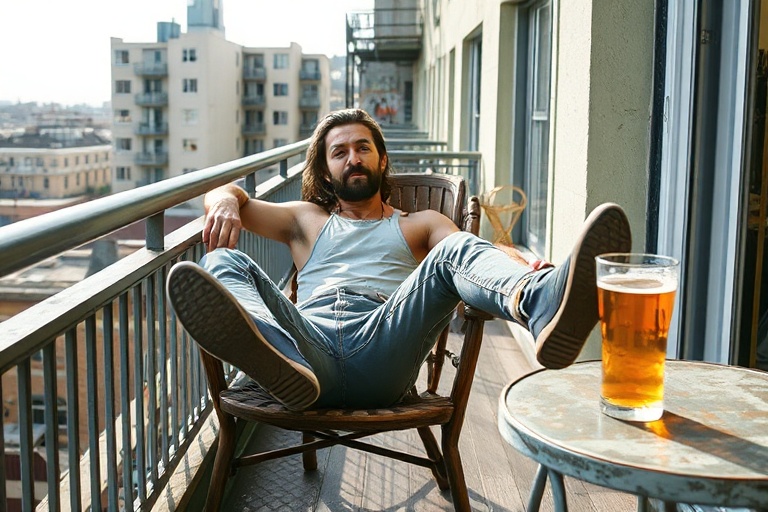
The term “loose men” has emerged in recent years as a descriptor for men who exhibit a carefree, unconstrained approach to life. This concept goes beyond mere casual behavior; it reflects a mindset that prioritizes freedom, personal expression, and a rejection of traditional expectations. While the phrase can carry different interpretations depending on context, it often highlights men who embrace spontaneity, minimal commitments, and a focus on self-fulfillment over societal norms.
At its core, the idea of being a “loose man” challenges conventional notions of masculinity that emphasize responsibility, stability, and rigid roles. Instead, it celebrates adaptability and a willingness to navigate life without the weight of excessive obligations. This shift reflects broader cultural movements toward individualism and the reevaluation of what it means to live authentically in a fast-paced world.
The Origins and Evolution of the “Loose Man” Persona
The concept of the “loose man” is not entirely new, but its modern interpretation has been shaped by several cultural and social factors. Historically, male archetypes like the “drifter” or “wanderer” have existed in literature and film, embodying a sense of freedom from societal constraints. However, the contemporary version of the “loose man” is more closely tied to the digital age, where social media and online communities have amplified the idea of living life on one’s own terms.
Platforms like Instagram and TikTok have played a significant role in popularizing this lifestyle. Influencers and content creators often showcase a carefree existence, whether through travel vlogs, minimalist living, or unconventional career paths. This curated portrayal has contributed to the idea that being a “loose man” is not just a personal choice but a lifestyle that can be monetized and shared with a global audience.
Yet, the term itself remains fluid. Some associate it with positive attributes like resilience and adaptability, while others critique it as a form of escapism or avoidance of accountability. The ambiguity of the phrase reflects the broader tensions in modern masculinity, where traditional expectations clash with evolving identities.
Key Traits of the “Loose Man” Lifestyle
While the “loose man” persona can vary widely, certain traits are commonly associated with this lifestyle. These characteristics often serve as a counterpoint to more structured or conventional ways of living:
- Spontaneity: The “loose man” thrives on unplanned decisions, whether it’s a last-minute road trip or an impromptu career change. This trait emphasizes living in the moment rather than adhering to rigid schedules.
- Minimalism: Many who identify with this lifestyle embrace minimalism, reducing material possessions and commitments to focus on experiences rather than accumulation. This can extend to financial habits, where spending is prioritized over saving for long-term stability.
- Self-Expression: Rejecting societal expectations often means embracing unique styles, hobbies, or even gender norms. This can include fashion choices, career paths, or social behaviors that defy traditional masculinity.
- Adaptability: The ability to pivot quickly—whether in relationships, careers, or living situations—is a hallmark of the “loose man.” This adaptability can be both liberating and challenging, depending on the context.
- Community Over Commitment: While relationships are valued, the “loose man” often prioritizes freedom over long-term commitments, whether in friendships, romantic partnerships, or professional collaborations.
These traits paint a picture of a lifestyle that values flexibility and personal freedom above all else. However, they also raise questions about the balance between liberation and responsibility, particularly in areas like financial stability, emotional connections, and long-term planning.
Criticisms and Controversies Surrounding the “Loose Man” Ideology
Despite its growing popularity, the “loose man” lifestyle is not without its critics. Some argue that the persona romanticizes irresponsibility, framing avoidance of commitments as a form of empowerment. For instance, the rejection of long-term relationships or stable careers can lead to isolation or financial instability, particularly in an economy where precarity is already a concern.
Others point out that the “loose man” persona is often marketed toward younger men, who may lack the experience to weigh the consequences of such a lifestyle. Social media portrayals can create an illusion of effortless freedom, glossing over the challenges of navigating life without structure. This can lead to unrealistic expectations and a sense of disillusionment when reality doesn’t align with the curated image.
Additionally, the term itself can be polarizing. Some see it as a reclaiming of autonomy, while others view it as a shallow trend that lacks depth. The debate often circles back to broader questions about masculinity: Is the “loose man” a genuine evolution of traditional gender roles, or is it merely another commodified identity in a consumer-driven culture?
How the “Loose Man” Fits Into Broader Cultural Shifts
The rise of the “loose man” reflects larger cultural shifts in how society views masculinity, work, and personal fulfillment. The decline of traditional career paths, the gig economy, and the increasing focus on mental health have all contributed to a reevaluation of what it means to be a man in the 21st century. For many, the “loose man” persona offers an alternative to the pressure of lifelong commitments, whether in marriage, homeownership, or corporate careers.
However, this shift is not universally embraced. Critics argue that the “loose man” lifestyle can exacerbate issues like loneliness, financial insecurity, and a lack of community. The emphasis on individualism, while empowering in some ways, can also lead to a sense of alienation in a world where connection and stability are increasingly valuable.
For those who adopt this lifestyle, the challenge lies in finding a balance between freedom and responsibility. It’s possible to embrace spontaneity while still planning for the future, or to prioritize self-expression without neglecting relationships. The key may be in recognizing that the “loose man” persona is not a one-size-fits-all solution but rather one of many tools for navigating modern life.
The Future of the “Loose Man” Movement
As societal norms continue to evolve, the “loose man” concept will likely adapt as well. The movement may become more nuanced, incorporating discussions about mental health, financial literacy, and sustainable living. Already, some influencers are blending the carefree ethos with practical advice, showing that freedom and responsibility are not mutually exclusive.
For those interested in exploring this lifestyle, it’s worth considering how the “loose man” persona aligns with personal values and long-term goals. Whether it’s through travel, minimalism, or unconventional career paths, the goal should be to create a life that feels authentic and fulfilling—not just superficially free.
Ultimately, the “loose man” is more than just a trend; it’s a reflection of a generation redefining masculinity on its own terms. As with any cultural shift, the challenge will be to separate the empowering aspects from the potentially harmful ones, ensuring that the pursuit of freedom doesn’t come at the cost of well-being.
For further reading on related topics, explore our Culture and Lifestyle sections for more insights into modern masculinity and personal growth.