Nestled in the heart of Garvin County, Oklahoma, the town of Pauls Valley may not dominate national headlines, but it plays a quiet yet significant role in the state’s evolving identity. With a population just shy of 6,000, this small city is a microcosm of rural resilience, historical preservation, and community innovation. From its deep roots in Chickasaw Nation heritage to its modern-day role as a regional hub for arts and commerce, Pauls Valley offers a compelling snapshot of how smaller communities adapt in a rapidly changing world.
The Historical Fabric of Pauls Valley
Pauls Valley was established in 1887, long before Oklahoma became the 46th state in 1907. The town’s origins are intertwined with the forced relocation of the Chickasaw Nation along the Trail of Tears, which passed through this region. While the narrative of displacement is painful, the Chickasaw people’s enduring presence has shaped Pauls Valley into a place where Indigenous culture is both honored and celebrated today.
The city’s name pays homage to Smith Paul, a Chickasaw citizen and early settler who helped establish the town. Over the decades, Pauls Valley evolved from a trading post into a railroad junction, fueling its growth during the late 19th and early 20th centuries. The arrival of the Atchison, Topeka and Santa Fe Railway in 1901 cemented its role as a commercial center, connecting it to larger markets and opportunities.
One of the town’s most enduring landmarks is the Chickasaw Cultural Center, located just a short drive away in Sulphur. Though not within city limits, its proximity underscores Pauls Valley’s role as a gateway to Oklahoma’s Indigenous heritage. Visitors and locals alike can explore exhibits on traditional Chickasaw lifeways, language preservation, and modern tribal governance—all of which reflect the deep historical layers that define the region.
Economic Resilience and Community Initiatives
Like many rural American towns, Pauls Valley has faced economic challenges, particularly in the latter half of the 20th century as manufacturing jobs moved overseas and younger generations migrated to larger cities for work. Yet, the community has demonstrated a quiet tenacity in reinventing itself. Today, Pauls Valley’s economy is a blend of agriculture, light manufacturing, healthcare, and a growing tourism sector tied to its cultural and historical assets.
The Pauls Valley Development Authority has been instrumental in attracting new businesses and supporting local entrepreneurs. One standout initiative is the Garvin County Business Incubator, which provides resources for startups and small businesses. This effort reflects a broader trend in rural America, where communities are leveraging local ingenuity to combat stagnation.
Another key driver is agriculture. Garvin County is part of Oklahoma’s “Red River Valley,” a fertile region known for cattle ranching and crop farming. While large-scale agribusiness dominates, Pauls Valley’s farmers’ markets and community-supported agriculture (CSA) programs highlight a growing interest in sustainable and locally sourced food. These initiatives not only bolster the local economy but also foster a stronger sense of community identity.
Here are a few ways Pauls Valley is building a sustainable future:
- Workforce Development: Partnerships between local schools, vocational training centers, and employers are aligning education with industry needs, particularly in healthcare and advanced manufacturing.
- Cultural Tourism: Events like the annual Pauls Valley Peach Festival and the Chickasaw Days Celebration draw visitors, injecting revenue into local businesses while preserving traditions.
- Infrastructure Investments: Upgrades to roads, broadband access, and public facilities are making the city more attractive to remote workers and telecommuters seeking a quieter lifestyle.
- Preservation Efforts: Historic downtown buildings are being restored, with adaptive reuse projects turning old storefronts into cafes, galleries, and co-working spaces.
The Arts and Creative Economy
Pauls Valley may be small, but it punches above its weight when it comes to the arts. The town has a thriving local arts scene, anchored by institutions like the Pauls Valley Community Theatre and the Garvin County Arts Council. These organizations host plays, musical performances, and visual arts exhibitions year-round, drawing talent from across the region.
One of the most notable figures associated with Pauls Valley’s arts community is the late Leona Mitchell, an internationally renowned opera soprano who was born in the nearby town of Enid but spent formative years in Pauls Valley. Mitchell’s legacy is celebrated through scholarships and cultural programs that encourage young musicians and performers. Her story is a reminder of how small towns can serve as incubators for extraordinary talent.
The town’s commitment to the arts extends beyond performance. Local artists are increasingly using their work to explore themes of identity, place, and resilience. For example, public murals in downtown Pauls Valley blend Indigenous motifs with contemporary styles, creating a visual narrative of the community’s past and present. These artistic expressions do more than beautify—they foster pride and a shared sense of purpose among residents.
Challenges and Opportunities
Despite its strengths, Pauls Valley faces challenges that are all too familiar to rural America. Aging infrastructure, limited access to specialized healthcare, and the brain drain of young people seeking opportunities elsewhere are persistent concerns. However, these challenges also present opportunities for innovation. The rise of remote work, for instance, could attract new residents to Pauls Valley, provided the town can offer reliable internet and affordable housing.
Another opportunity lies in leveraging Pauls Valley’s location. Situated roughly halfway between Oklahoma City and Dallas, the town is well-positioned to become a commuter hub if infrastructure improvements continue. This geographic advantage could spur growth in logistics, light industry, and even eco-tourism, given the region’s natural beauty and outdoor recreation opportunities.
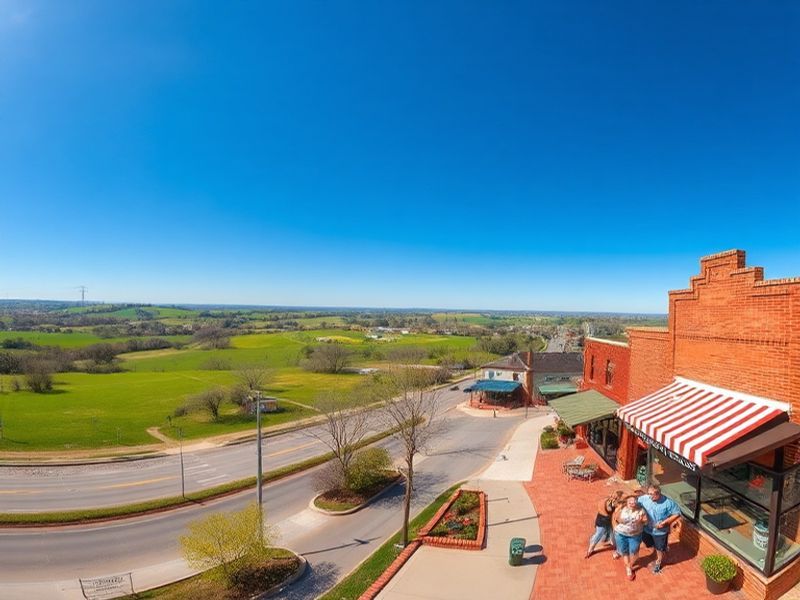
The town’s leadership has recognized the need to balance growth with preservation. Initiatives like the Pauls Valley Main Street Program aim to revitalize the downtown area while maintaining its historic character. By supporting local businesses and encouraging pedestrian-friendly design, the program seeks to create a vibrant, walkable core that serves both residents and visitors.
“Small towns like Pauls Valley are where the heart of America beats strongest. They’re not just places on a map; they’re living stories of adaptation, resilience, and community. The challenge—and opportunity—is to write the next chapter in a way that honors the past while embracing the future.”
Conclusion: Why Pauls Valley Matters
Pauls Valley may not be the first city that comes to mind when thinking of Oklahoma’s most dynamic places, but its story is one worth telling. It’s a story of survival, creativity, and quiet determination—a narrative that resonates far beyond its city limits. In an era where many rural communities struggle to stay relevant, Pauls Valley offers a model of how small towns can leverage their unique assets to build a sustainable future.
From its rich Indigenous heritage to its burgeoning arts scene and economic revitalization efforts, Pauls Valley is more than just a dot on the map. It’s a testament to the power of community, the importance of preserving history, and the potential of reinvention. As the world continues to urbanize, places like Pauls Valley remind us that the soul of America isn’t just in its skyscrapers and stadiums—it’s in the towns where people know their neighbors by name and where the past is always present.
For those willing to look beyond the headlines, Pauls Valley is a destination that offers authenticity, warmth, and a glimpse into the enduring spirit of rural Oklahoma.