FIFA World Cup 2026 Matches: Format, Dates, and What to Watch
The FIFA World Cup 2026 marks the first expansion of the tournament since 1998, when the field grew from 24 to 32 teams. Now, with 48 nations competing across three host countries—the United States, Canada, and Mexico—the event promises not only more matches but a broader global footprint. The format change brings additional group-stage games and a revamped knockout structure, raising questions about competitive balance and logistical demands. Yet it also offers smaller football nations a rare chance to shine on the world’s biggest stage.
The expanded format and what it means for fans and teams
The new 48-team format splits teams into 12 groups of four, with the top two from each group advancing along with the best eight third-place finishers. This creates 16 extra group matches compared to 2022, stretching the tournament from 64 to 80 games. While purists worry about the dilution of quality, FIFA argues the change will increase inclusivity and revenue—especially in North America, where football remains a growing sport.
The knockout rounds now include a 32-team bracket, meaning more knockout games but also more dead rubber group matches. Early exits could still feel decisive, but the expanded field ensures that even traditional underdogs like Jamaica, Iraq, or Cape Verde have a realistic path to the Round of 32. For broadcasters and sponsors, the increase in games translates to more advertising inventory and viewer engagement, though some critics argue the added fixtures may dilute the prestige of the later rounds.
From a tactical standpoint, teams will need to adapt quickly. With more deadlines in group play, fatigue could become a factor, particularly for squads with heavy European league commitments. The expanded format also raises the stakes for coaches balancing squad rotation with performance, making squad depth more valuable than ever.
Key dates, venues, and how to follow the action
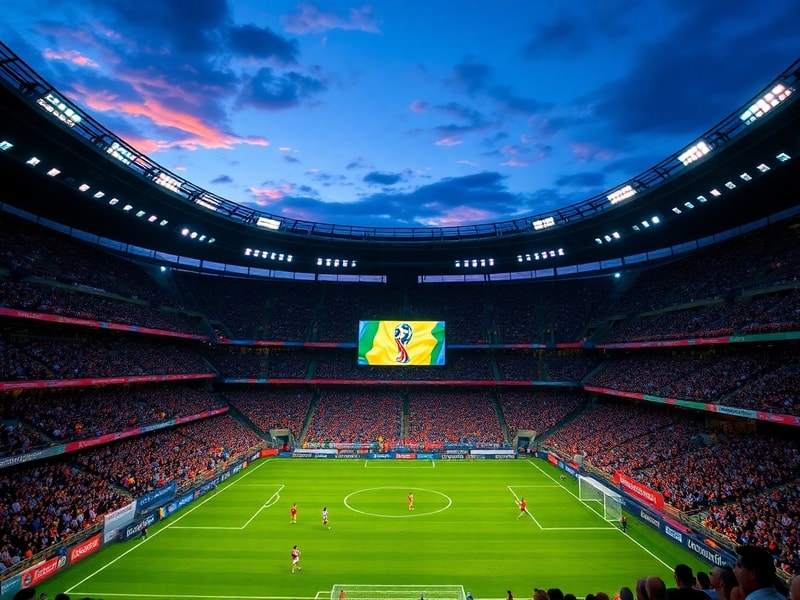
The tournament runs from June 11 to July 19, 2026, with the opening match at SoFi Stadium in Inglewood, California. The final will be played at MetLife Stadium in East Rutherford, New Jersey, a venue already synonymous with major sporting events. In between, games will be spread across 16 host cities, from Vancouver’s BC Place to Mexico City’s Azteca Stadium, creating a continental festival of football.
For fans, this geographical spread presents both opportunity and challenge. While it allows for regional travel and cultural exchange, it also requires careful planning due to varying climates and travel times. High-altitude venues like Mexico City and Denver could influence playing styles, favoring teams comfortable with quick transitions and long passing.
Broadcast coverage will be extensive, with multiple networks and streaming platforms showing matches across time zones. Major sponsors like Visa, Adidas, and Budweiser are expected to leverage the expanded audience, while regional broadcasters in Africa, Asia, and South America will have more games featuring their teams. For fans outside North America, the timing aligns well with summer schedules, offering prime viewing windows.
How the 2026 format could reshape international football
The expansion isn’t just about numbers—it’s a strategic move by FIFA to globalize the sport and counter waning interest in some traditional markets. By including more confederations, FIFA aims to grow the fanbase in North America and Asia, where football competes with established leagues like the NFL, NBA, and MLB. The hope is that increased visibility will lead to greater investment in youth development and infrastructure.
But critics point to potential downsides. The quality gap between top-tier and emerging teams may widen in knockout rounds, risking one-sided matches that frustrate fans. There are also concerns about player welfare, as clubs may resist releasing stars for extended international duty during domestic seasons. FIFA’s decision to cap squad sizes at 26—up from 23 in 2022—aims to address this, but the physical toll of 80 high-stakes games remains a concern.
The tournament also sets a precedent for future editions. If successful, 48-team World Cups could become the standard, with bids from Morocco, Spain, and Portugal already signaling interest in hosting future expanded tournaments. This could reshape qualification paths and even influence club football calendars, particularly in Europe where domestic leagues already face fixture congestion.
Ultimately, the 2026 World Cup is as much about ambition as it is about football. It’s an experiment in accessibility, revenue generation, and global expansion—but its success will be measured not just in trophies won, but in whether it leaves a lasting legacy beyond the final whistle.
What to watch as the tournament approaches
As qualification heats up, several storylines are worth following:
- Can CONCACAF break through? With hosts USA, Canada, and Mexico all likely to qualify, the region has a chance to send multiple teams deep into the tournament for the first time.
- Will Europe’s elite adapt? Teams like France, England, and Germany will need to manage squad fatigue while maintaining competitive edge in a longer tournament.
- Who are the dark horses? Nations like Morocco, South Korea, and Japan have shown recent promise and could surprise in the expanded format.
- How will VAR and technology evolve? With more games and higher stakes, referee decisions will face even greater scrutiny.
For fans, the wait is almost over. The 2026 World Cup isn’t just another tournament—it’s a historic moment for football, one that could redefine the sport for decades to come.