The End of an Era: Fun Spot Atlanta’s Closure Reflects Bigger Trends in Urban Entertainment
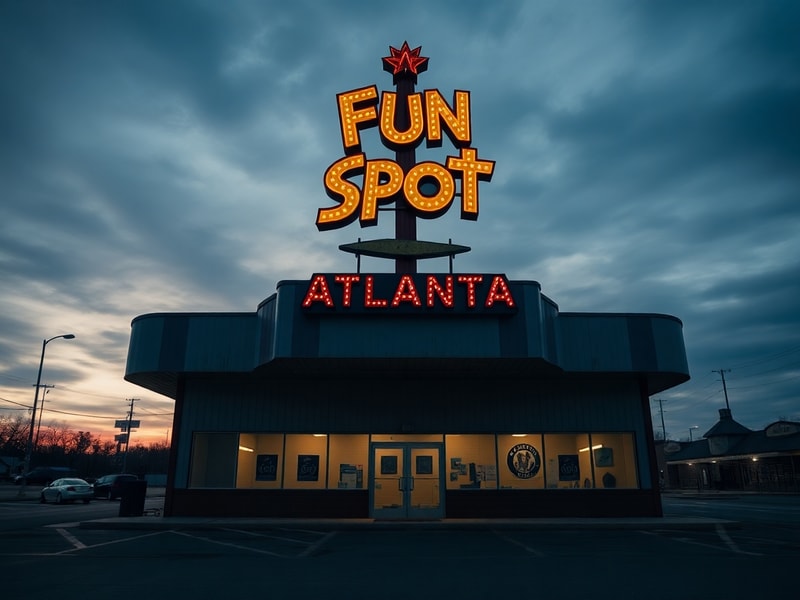
Fun Spot Atlanta’s announcement that it will close its doors after decades of operation marks more than just the loss of a local amusement park. The amusement and entertainment complex, which opened in 1998, has been a staple of Atlanta’s entertainment scene, drawing families, thrill-seekers, and tourists alike. But its closure comes at a time when urban entertainment venues across the globe are facing unprecedented challenges—rising costs, shifting consumer habits, and the relentless expansion of digital alternatives.
Atlanta’s transformation into a major metropolitan hub has accelerated over the past 25 years, reshaping how people spend their leisure time. Once a city known for its sprawling suburbs and car-centric culture, Atlanta has seen a surge in mixed-use developments, high-rise condos, and tech-driven entertainment options. Fun Spot, with its classic amusement park rides and go-kart tracks, now stands as a relic of a bygone era—one where physical spaces dominated social experiences.
This shift isn’t unique to Atlanta. From Tokyo’s shuttered theme parks to London’s disappearing arcades, cities worldwide are grappling with the decline of brick-and-mortar entertainment hubs. The closure of Fun Spot Atlanta is not just a local story; it’s a symptom of a global trend where nostalgia competes with convenience, and where the allure of instant digital gratification often outweighs the appeal of shared physical spaces.
Why Fun Spot Atlanta Couldn’t Sustain Itself
The challenges facing Fun Spot Atlanta are multifaceted, but they boil down to three core issues: financial sustainability, changing consumer preferences, and the evolving urban landscape. While the park was a beloved destination, its business model relied heavily on foot traffic and seasonal tourism—both of which have become increasingly unpredictable in the post-pandemic era.
The COVID-19 pandemic dealt a severe blow to Fun Spot’s operations, forcing prolonged closures and disrupting its revenue streams. Even as restrictions lifted, lingering financial strain and reduced tourism made recovery difficult. Compounding these issues was the rising cost of maintenance for aging rides and infrastructure, a common struggle for long-standing amusement parks. Many of Fun Spot’s attractions, while iconic, required significant investment to modernize—a challenge that many smaller parks simply couldn’t meet.
Consumer habits have also shifted dramatically. Today’s entertainment seekers, particularly younger generations, prioritize experiences that can be documented and shared online. While Fun Spot offered plenty of photogenic moments, it struggled to compete with the instant appeal of social media-driven attractions like immersive VR experiences or interactive pop-up events. The park’s traditional model, which relied on repeat visits from local families, became harder to sustain as disposable income tightened and alternative entertainment options proliferated.
Another factor was the changing face of Atlanta itself. The city’s rapid gentrification has pushed out many long-standing businesses in favor of luxury developments and high-end retail. Fun Spot’s location, once on the outskirts of a thriving suburban area, is now surrounded by condominiums and corporate offices. Property values have skyrocketed, making it economically unviable for the park to remain in its current space.
The Global Decline of Physical Entertainment Hubs
Fun Spot Atlanta’s closure is part of a broader global phenomenon. Across continents, physical entertainment hubs are struggling to stay relevant. In Japan, iconic theme parks like Tokyo’s Korakuen Amusement Park have closed or downsized, victims of urban redevelopment and shifting cultural priorities. In Europe, traditional arcades and bowling alleys have given way to esports arenas and high-tech entertainment complexes. Even in the United States, classic amusement parks like Six Flags’ older locations have faced financial troubles, leading to closures or acquisitions.
Several key factors contribute to this global decline:
- Rising Operational Costs: Maintaining rides, staffing, and safety compliance has become prohibitively expensive for many parks. Insurance, energy, and labor costs have all surged, squeezing profit margins.
- Changing Leisure Preferences: Younger generations are less inclined to spend hours at a single location. Instead, they favor experiences that can be customized and shared online, such as escape rooms or interactive museums.
- Urbanization and Gentrification: As cities densify, land becomes too valuable for low-margin entertainment venues. Developers often prioritize residential or commercial projects over recreational spaces.
- Digital Competition: The rise of streaming services, online gaming, and virtual reality has eroded the appeal of traditional entertainment. Why visit a theme park when you can simulate the thrill from your couch?
This trend isn’t irreversible, though. Some cities are finding innovative ways to revive physical entertainment spaces. In Berlin, for example, abandoned warehouses have been transformed into multi-level entertainment complexes featuring VR arcades, live music venues, and immersive art installations. Similarly, in Los Angeles, pop-up entertainment hubs like Escape Rooms have gained traction by offering unique, time-limited experiences that leverage social media appeal.
Atlanta itself has seen a rise in hybrid entertainment spaces that blend dining, gaming, and socializing. Venues like Andretti Indoor Karting and Topgolf offer high-tech alternatives to traditional amusement parks, catering to a younger, more tech-savvy audience. These spaces are designed to be Instagram-friendly, with features that encourage sharing and social interaction—key drivers of modern entertainment consumption.
Could Fun Spot Atlanta Make a Comeback?
While the closure of Fun Spot Atlanta feels final, history shows that entertainment venues can sometimes stage remarkable comebacks. Consider Coney Island in New York, which nearly collapsed in the 1960s but was revitalized through a mix of nostalgia, public investment, and creative programming. Or Disneyland’s Anaheim park, which faced decline in the 1980s before reinventing itself as a global tourist destination.
For Fun Spot Atlanta to reopen, it would likely need a radical transformation. One possibility is a partnership with a larger entertainment conglomerate, such as Six Flags or Cedar Fair, which could inject capital and modernize the park’s offerings. Another option is a shift toward a seasonal or event-based model, focusing on high-profile concerts, festivals, or themed attractions rather than year-round operations.
There’s also the potential for a community-driven revival. Local governments and preservation groups could advocate for adaptive reuse of the site, turning it into a mixed-use space that retains some of its amusement park elements while incorporating residential or commercial developments. This approach has worked in cities like Pittsburgh, where the former Kennywood Park site was preserved as part of a larger redevelopment plan.
However, these scenarios are speculative. The reality is that Fun Spot Atlanta’s closure reflects deeper economic and cultural shifts that won’t be reversed easily. The park’s legacy will endure in the memories of those who visited, but its physical footprint may soon be erased by progress.
The Broader Implications for Urban Culture
The loss of Fun Spot Atlanta is more than a business story; it’s a cultural loss. Amusement parks and entertainment hubs like these serve as communal gathering spaces, where families bond, friends celebrate, and strangers share in the joy of collective experiences. They are places where social norms are relaxed, where people let go of their daily routines and embrace the whimsical. Their decline raises questions about what we lose when physical spaces of joy disappear from our cities.
In an era dominated by screens and algorithms, the closure of Fun Spot Atlanta is a reminder of the value of tangible, shared experiences. Yet it’s also a sign of the times. Cities are evolving, and so are the ways we entertain ourselves. The challenge for urban planners, developers, and policymakers is to create spaces that honor the past while embracing the future—spaces that can compete with the digital world without losing their soul.
For now, Fun Spot Atlanta’s rides will fall silent, its parking lots will empty, and its legacy will be preserved only in photographs and stories. But its closure is a call to action for those who believe in the importance of physical spaces in our increasingly virtual lives. Whether through reinvention, preservation, or innovation, the lessons from Fun Spot’s story could help shape the next generation of urban entertainment.