Lionel Richie isn’t just a name—it’s a legacy that has shaped the soundtrack of generations. The Grammy-winning artist, songwriter, and performer turns 75 years old on June 20, 2025, a milestone that invites reflection on a career spanning more than five decades. From Motown roots to global pop dominance, Richie’s journey reflects the evolution of music itself, crossing genres, cultures, and borders with effortless grace.
Early Life and Formative Years
Lionel Brockman Richie Jr. was born on June 20, 1949, in Tuskegee, Alabama. His upbringing was steeped in music and education—his father worked at Tuskegee Institute, and his mother was a schoolteacher. Richie’s early exposure to gospel, R&B, and classical music laid the foundation for his melodic sensibility. After graduating high school, he pursued a degree in economics and theology at Tuskegee Institute, where he also honed his skills as a tennis player and fraternity brother.
Music, however, called louder than academia. In 1968, Richie joined The Commodores, a soul and funk band that would become his launchpad into the spotlight. Initially, the group was rooted in live performances and regional success, but their dynamic shifted when Richie began contributing vocals and songwriting. His smooth tenor and gift for melody set him apart, even as the band carved out a niche in the competitive 1970s music scene.
A Star is Born: The Commodores Era
The Commodores’ rise paralleled the golden age of soul and funk. Hits like “Machine Gun” and “Slippery When Wet” showcased their instrumental prowess, but it was Richie’s compositions that elevated the group to superstardom. Songs like “Easy” and “Three Times a Lady” demonstrated his knack for crafting timeless hooks that transcended genre boundaries. By the late 1970s, Richie was not just a frontman but a songwriter in high demand, penning hits for other artists and establishing himself as a creative force.
His collaboration with country star Kenny Rogers on “Lady” in 1980 became a defining moment. The duet reached No. 1 on the Billboard Hot 100, proving Richie’s crossover appeal and introducing his music to audiences beyond R&B. This period marked the beginning of Richie’s transition from band member to solo artist—a move that would redefine his career and the pop landscape.
The Solo Career: Redefining Pop Music
Lionel Richie’s solo debut in 1982 with Lionel Richie introduced audiences to a new side of his artistry. The album’s lead single, “Truly,” became his first solo No. 1 hit, cementing his status as a solo superstar. But it was the follow-up, Can’t Slow Down (1983), that solidified his place in music history. The album sold over 20 million copies worldwide, spawning iconic tracks like “All Night Long (All Night)” and “Hello.”
“Hello” wasn’t just a hit—it was a cultural moment. The ballad’s soaring melody and emotional depth resonated globally, topping charts in the U.S., UK, and Australia. Richie’s ability to blend pop accessibility with soulful authenticity made him a global ambassador for music. In Japan, for example, he became a household name, performing sold-out shows and earning accolades that few Western artists achieve in the region. His influence extended to Africa, where his music was embraced by audiences from Lagos to Johannesburg, often played at weddings, parties, and state events.
By the mid-1980s, Richie was more than an artist—he was a phenomenon. His collaboration with Michael Jackson on “We Are the World” in 1985 for USA for Africa demonstrated his commitment to using music for social good. The charity single raised millions for famine relief in Ethiopia and became one of the best-selling singles of all time.
Cultural Impact and Global Influence
Lionel Richie’s impact isn’t limited to record sales or chart positions. His music has become woven into the fabric of global pop culture, referenced in films, TV shows, and even memes. Songs like “Say You, Say Me” (from White Nights, 1985) and “Dancing on the Ceiling” (1986) have been sampled, covered, and parodied across generations. In 2024, “All Night Long” saw a resurgence on TikTok, with users creating dance challenges that went viral, proving its timeless appeal.
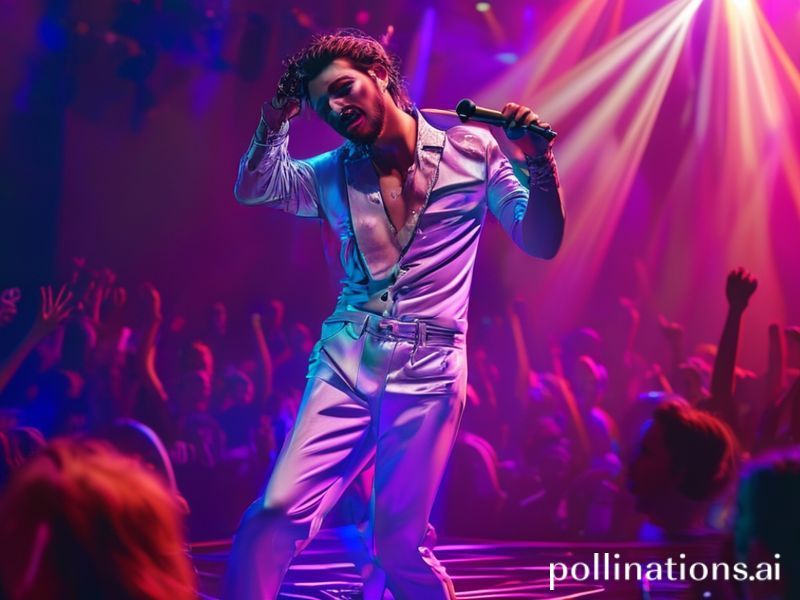
Richie’s influence extends beyond music. His fashion—think pastel suits, aviator sunglasses, and perfectly styled hair—became iconic, embodying the excess and glamour of the 1980s. His stage presence, characterized by smooth movements and effortless charm, set a standard for live performances. Even today, artists like Bruno Mars and John Legend cite Richie as a major inspiration, acknowledging his role in shaping the blueprint for modern pop and R&B.
Globally, Richie’s music has served as a bridge between cultures. In Latin America, his songs are staples at celebrations, from Carnival in Brazil to quinceañeras in Mexico. In Europe, he’s celebrated as one of the few American artists to achieve sustained success across multiple decades. His 2012 album Tuskegee featured country versions of his greatest hits, further showcasing his versatility and appeal to diverse audiences.
Legacy and the Future
At 75, Lionel Richie shows no signs of slowing down. He continues to tour, drawing crowds that span generations. His 2024 “Hello from Las Vegas” residency at Resorts World Theatre proved that his star power remains undiminished, with audiences flocking to see a living legend perform in an intimate yet grand setting. Richie’s ability to connect with fans young and old is a testament to his universal appeal.
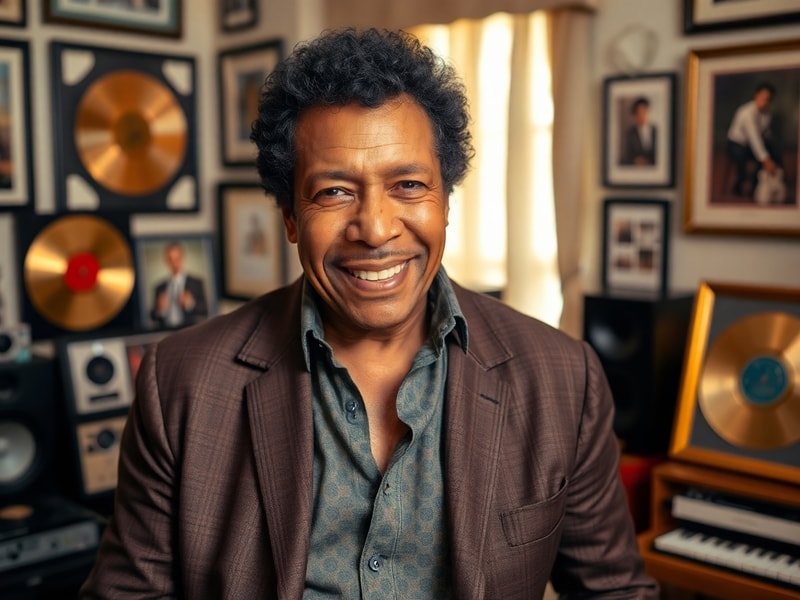
His legacy is also preserved through accolades. Richie has won four Grammy Awards, an Oscar, and a Golden Globe. In 2023, he was inducted into the Black Music & Entertainment Walk of Fame, a recognition of his contributions to the industry. Yet, Richie’s greatest achievement may be his consistency—he has remained relevant without chasing trends, instead letting his music and authenticity speak for themselves.
Looking ahead, Richie’s influence shows no signs of fading. New generations discover his music through streaming platforms, while older fans revisit his classics with nostalgia. His recent collaborations, such as the 2023 duet with country singer Hillary Scott on a reimagined version of “Endless Love,” demonstrate his willingness to evolve while staying true to his roots.
The Man Behind the Music
Beyond the stage, Lionel Richie is known for his philanthropy and personal warmth. He has supported causes like education, disaster relief, and children’s hospitals, often donating both time and resources. His commitment to his alma mater, Tuskegee University, has included scholarships and performances, underscoring his pride in his origins.
Richie’s personal life, including his marriages and family, has also been a topic of public interest. His openness about his journey—including struggles with health and personal growth—has endeared him to fans. In interviews, he often reflects on the importance of family, faith, and perseverance, values that resonate deeply in today’s fast-paced world.
As he celebrates 75 years, Lionel Richie remains a symbol of artistic integrity and cross-cultural connection. His music continues to soundtrack life’s most memorable moments, whether it’s a wedding, a first dance, or a moment of pure joy. In a world often divided by borders and differences, Richie’s artistry reminds us of the universal language of melody and emotion.
For fans looking to explore more about the legends of music, visit our Music category for in-depth articles on iconic artists and their impact on culture. Or dive into the stories behind the biggest hits of the 20th century in our Entertainment section.