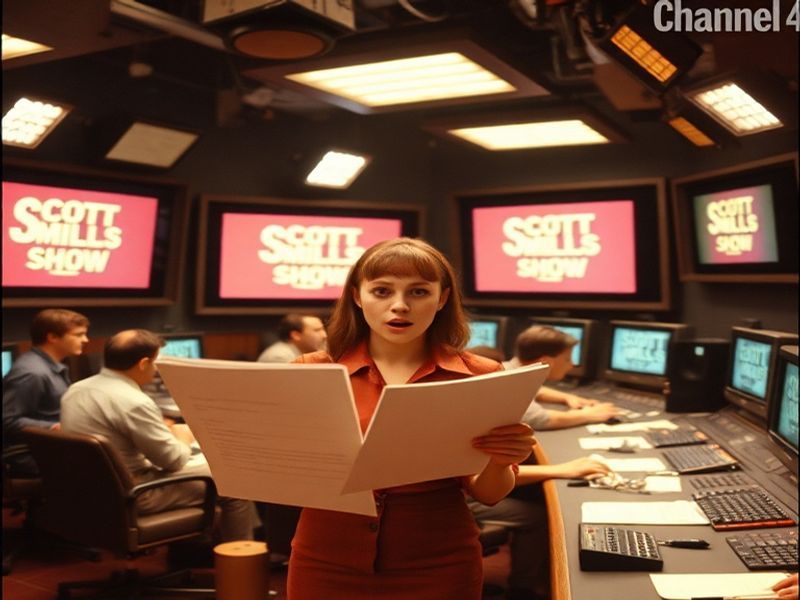
Channel 4 Cancels Scott Mills Episode Amidst Rising Industry Scrutiny
In an unexpected turn for British television, Channel 4 has canceled the upcoming episode of Scott Mills: The Late Night Show, a late-night program known for its sharp wit and cultural commentary. The decision came after internal discussions and external pressures, raising questions about the future of live comedy and satire in the UK’s broadcasting landscape.
The cancellation follows a pattern of increased oversight across entertainment networks, particularly in live programming where spontaneity often clashes with regulatory expectations. While no official statement has been released, sources close to the production suggest concerns over content alignment with Channel 4’s editorial standards. This incident reflects broader shifts in how networks manage creative freedom versus compliance, a tension felt globally as streaming platforms and traditional broadcasters adapt to changing audience expectations.
Why This Cancellation Stands Out in a Global Context
The cancellation of Scott Mills’ episode isn’t isolated. Late-night and satirical shows worldwide have faced similar scrutiny in recent years. In the United States, programs like Last Week Tonight with John Oliver have navigated tightrope walks between humor and controversy, often drawing criticism from political figures and advocacy groups. Meanwhile, in Europe, broadcasters like Germany’s heute-show have faced regulatory challenges for jokes targeting sensitive social issues.
A closer look at these cases reveals a common thread: the blurring lines between satire, free expression, and public accountability. Networks are increasingly cautious, balancing the need to entertain with the risk of backlash. This cautious approach may be reshaping the tone and content of comedy, pushing creators toward safer, more sanitized formats.
In the UK specifically, Channel 4 has long been a champion of alternative and boundary-pushing content. The cancellation of Mills’ episode could signal a shift in that philosophy, one that prioritizes caution over creativity—a trend that may have long-term implications for the industry.
The Role of Audience Expectations and Cultural Shifts
Comedy thrives on cultural relevance, and audiences today expect programming that reflects their values and challenges their perspectives. However, as social media amplifies every joke or misstep, the stakes for comedians and networks have never been higher. A single controversial moment can lead to viral outrage, advertising boycotts, or regulatory scrutiny—all of which can damage a show’s reputation or financial viability.
Consider the recent controversies surrounding British comedy in the public sphere. Shows like The Russell Howard Hour and Have I Got News For You have faced criticism for jokes perceived as insensitive or politically charged. In such an environment, networks may opt to preemptively censor content rather than risk backlash, leading to a homogenization of humor that lacks edge.
This trend isn’t limited to the UK. In Australia, comedian Hannah Gadsby’s Nanette sparked global conversations about the limits of comedy and identity. In Japan, variety shows like Gaki no Tsukai have faced backlash for content deemed culturally inappropriate by international standards. These examples illustrate how comedy is increasingly shaped by global conversations about ethics, representation, and the role of humor in society.
The Future of Live Comedy and Satire on Television
The cancellation of Scott Mills’ episode raises critical questions about the future of live comedy on television. Will networks continue to prioritize compliance over creativity? Or will this moment serve as a catalyst for pushing boundaries and redefining what’s acceptable in satire?
One potential outcome is the rise of alternative platforms. Streaming services like Netflix and Amazon Prime have already disrupted traditional broadcasting by offering creators more freedom to experiment. Shows like Patriot Act with Hasan Minhaj and The Eric Andre Show thrive on platforms where creative control rests firmly with the artists, not network executives or regulators.
Another possibility is the emergence of new formats that blend live performance with digital interactivity. Platforms like Twitch and YouTube allow comedians to engage directly with audiences, bypassing traditional gatekeepers. This shift could democratize comedy, giving rise to voices that challenge mainstream norms without the constraints of corporate oversight.
However, the traditional TV landscape isn’t disappearing. Networks like Channel 4 have the opportunity to redefine their approach, embracing transparency and open dialogue with audiences about the risks and rewards of satire. By fostering a culture of trust between creators and regulators, they could strike a balance that preserves both creative integrity and public trust.
A Look Ahead: What’s Next for Scott Mills?
While the cancellation of Mills’ episode is a setback, it’s not necessarily the end of the road. Many comedians have faced similar challenges and emerged stronger by adapting their content or finding new platforms. Mills, known for his sharp humor and strong connection with younger audiences, may explore alternative avenues to reach his fans.
Possible next steps could include:
- Collaborating with digital platforms to produce standalone segments or specials.
- Launching a podcast or YouTube series where he can maintain creative control.
- Partnering with independent production companies to develop new projects.
For now, the cancellation serves as a reminder of the precarious position comedy occupies in the modern media landscape. As networks grapple with evolving audience expectations and regulatory pressures, the fate of live satire hangs in the balance. Whether this moment inspires a wave of innovation or a retreat into safer territory remains to be seen.
Conclusion: Balancing Creativity and Responsibility
The cancellation of Scott Mills’ episode is more than a single incident—it’s a reflection of broader tensions in the entertainment industry. As comedy continues to evolve, so too must the frameworks that govern it. Networks, creators, and audiences all play a role in shaping the future of satire, and the decisions made today will have lasting consequences.
Ultimately, the challenge lies in striking a balance between creativity and responsibility. Comedy has always been a powerful tool for challenging norms and sparking conversations. If networks and regulators prioritize caution over courage, they risk stifling the very art form that has the power to entertain, provoke, and inspire. The cancellation of Mills’ episode may be a setback, but it could also serve as a wake-up call for an industry at a crossroads.