What to Expect from the FIFA World Cup 2026 Group Stage
The FIFA World Cup 2026 marks a historic expansion, with 48 teams competing across three countries—Canada, Mexico, and the United States. This format change means the group stage will feature 12 groups of four teams, each playing three matches. The top two teams from each group will advance, along with the top eight third-place finishers, creating a more inclusive and competitive tournament. For fans of the sport, this means more matches, more drama, and more opportunities for underdog stories to emerge.
The expanded format also introduces new tactical challenges for coaches. With more teams in contention, managers must balance risk and reward in every game. A loss in the group stage no longer guarantees elimination, but it can still complicate a team’s path to the knockout rounds. This shift could lead to more conservative play in early matches, especially for traditional powerhouses looking to preserve their squads for later rounds.
Key Storylines to Watch in Group G
Group G features a mix of established contenders and rising nations, making it one of the most unpredictable groups in the tournament. The teams—potentially including Brazil, Serbia, Cameroon, and another qualifier yet to be determined—bring diverse styles and strengths to the table. Brazil, with its attacking firepower, will be the favorite, but Serbia’s disciplined midfield and Cameroon’s physicality could cause problems. The group’s dynamics will depend heavily on how these teams adapt to the expanded format.
For neutrals, Group G offers a chance to see how younger players perform on the biggest stage. Brazil’s squad, for example, will likely feature rising stars alongside veterans like Vinícius Jr. and Rodrygo. Meanwhile, Serbia could rely on its core of experienced players, such as Dušan Vlahović and Sergej Milinković-Savić, to grind out results. Cameroon’s squad, always physical and unpredictable, could spring a surprise if their talisman, such as a player like Bryan Mbeumo, finds form.
Potential Dark Horses in Group G
While Brazil enters as the clear favorite, the tournament’s expanded format means no team is safe from upsets. Serbia, ranked in the top 20 by FIFA, has the tactical nous to trouble even the elite. Their 2022 World Cup run, where they reached the round of 16 before losing to Switzerland on penalties, proved their resilience. Cameroon, meanwhile, has a history of shocking bigger teams—just ask Brazil, who needed a 2014 last-minute goal to avoid a shock defeat. If Cameroon can tighten their defense and capitalize on set pieces, they could progress further than many expect.
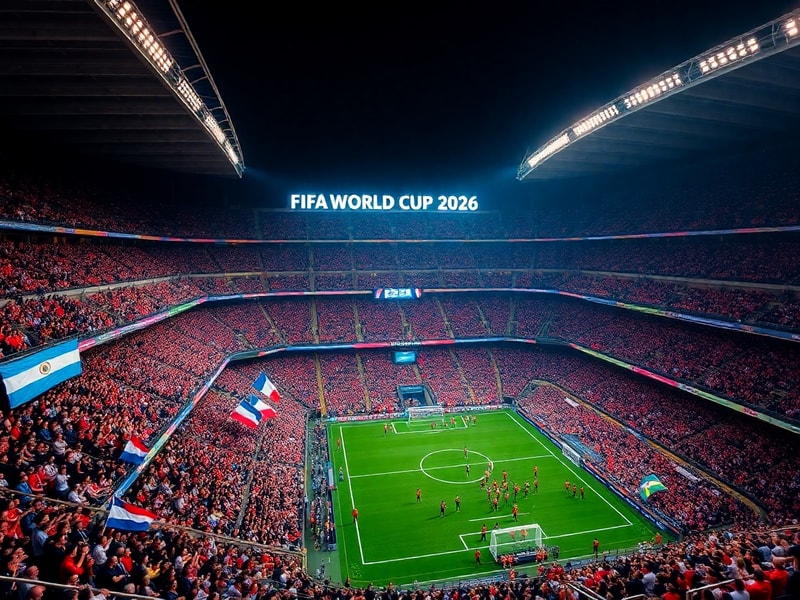
Another factor to consider is the impact of the North American venues. Playing in front of passionate crowds could energize underdog teams, especially those with large diaspora support. For example, a Serbian or Brazilian team playing in Toronto or Dallas might feel extra motivation from the local fan base. The travel distances between cities will also test squads, adding a logistical challenge that could influence results.
How the Expanded Format Changes Group Stage Strategy
The shift to 48 teams means teams must rethink their approach to the group stage. In previous tournaments, a win was often enough to secure top spot, but now teams may prioritize point accumulation over all-out wins. A draw in Group G could be just as valuable as a victory, especially if other results go against a team’s favor. This could lead to more cautious play, with teams setting up to avoid defeat rather than chase three points.
For coaches, the expanded format also means squad rotation becomes critical. With more matches on the horizon, managing player fatigue will be key. Teams like Brazil, with deep attacking options, can afford to rotate, while smaller nations may struggle to maintain intensity across three games. The risk of injuries or suspensions also looms larger, forcing managers to make tough decisions early in the tournament.
The Role of VAR and Technology in Group G
Technology will play a bigger role than ever in 2026, with VAR (Video Assistant Referee) expanding its scope to cover more match-changing decisions. In Group G, where tight games are likely, VAR could decide the fate of teams. Offside calls, penalty decisions, and red cards will be scrutinized like never before. For fans, this means more drama and controversy, but also a greater chance for justice in contentious moments.
The introduction of semi-automated offside technology could further speed up decisions, reducing delays that frustrated viewers in past tournaments. This will be crucial in a format where every minute counts, especially in the final group matches when teams are calculating their next moves. Referees will face immense pressure to get decisions right, and Group G’s high-stakes environment will test their composure.
Why Group G Could Decide the Tournament’s Narrative
While the World Cup’s expansion dilutes the knockout drama slightly, Group G has the potential to shape the tournament’s storylines. A strong performance by an underdog could shift momentum early, while a Brazilian stumble might force fans to reconsider their expectations. The group’s balance of flair, grit, and unpredictability makes it a microcosm of the tournament itself—where anything can happen.
For neutrals, Group G offers a blend of South American flair, European pragmatism, and African intensity. If Brazil tops the group, they could enter the knockout rounds with confidence, but a slow start might force them to regroup. Serbia’s path to the round of 16 could hinge on avoiding early pitfalls, while Cameroon’s journey might inspire a nation. The group’s outcome will ripple through the tournament, influencing bracket predictions and fan sentiment.
Fan Experience and Cultural Impact in North America
The 2026 World Cup isn’t just about football—it’s a celebration of global culture across three nations. Group G’s matches in cities like Los Angeles, Houston, or Vancouver will showcase the diversity of North America’s football communities. Mexican fans, in particular, are expected to turn out in huge numbers, creating an electric atmosphere for any Group G game played in the U.S. or Canada.
For local fans, this tournament is a chance to experience the world’s biggest sporting event without leaving the continent. The group stage’s expanded format means more matches in more cities, reducing the need for long-distance travel. It also allows fans to explore host cities between games, blending football with cultural experiences. Whether it’s sampling Tex-Mex in Dallas or exploring the music scene in Toronto, Group G offers more than just football.
Final Predictions: Who Will Advance from Group G?
Predicting the outcome of Group G is fraught with uncertainty, but based on current form and squad strength, Brazil and Serbia look like the safest bets to advance. Brazil’s attacking talent gives them the edge, while Serbia’s experience and structure make them resilient. Cameroon and the fourth qualifier (potentially a team like Jamaica or Haiti) will battle for the remaining spots, with physicality and set-piece prowess likely to be decisive.
However, football is unpredictable, and the expanded format means one strong performance can change everything. A Cameroon win over Brazil, for example, could send shockwaves through the tournament. Similarly, Serbia’s disciplined approach might stifle Brazil’s creativity, leading to a tense goalless draw. The beauty of Group G lies in its unpredictability—no outcome is guaranteed.
The FIFA World Cup 2026 promises to be a tournament of records, surprises, and unforgettable moments. Group G encapsulates this spirit, offering a blend of tradition, talent, and unpredictability. Whether you’re a die-hard fan or a casual observer, the group stage will set the tone for what’s to come. As the world’s best teams collide, one thing is certain: Group G will deliver drama, heartbreak, and perhaps a few fairy-tale runs.
For more insights into the World Cup’s history and format, explore our News and Sports categories. The countdown to 2026 has begun, and the stage is set for football’s greatest show on Earth.