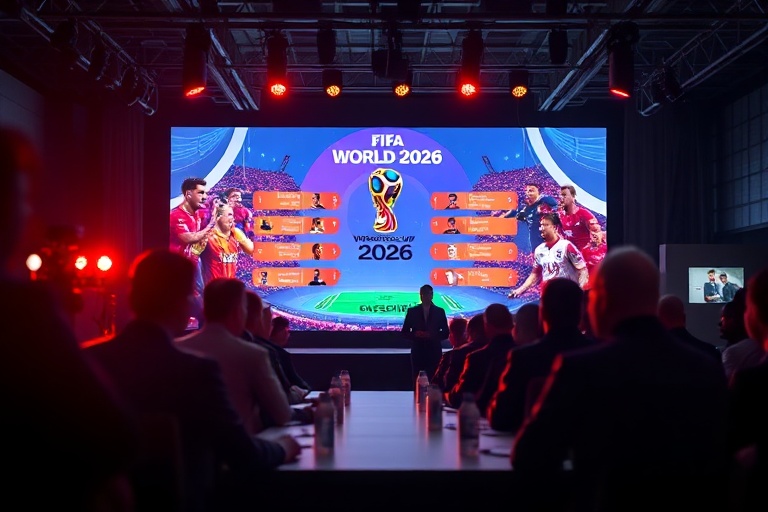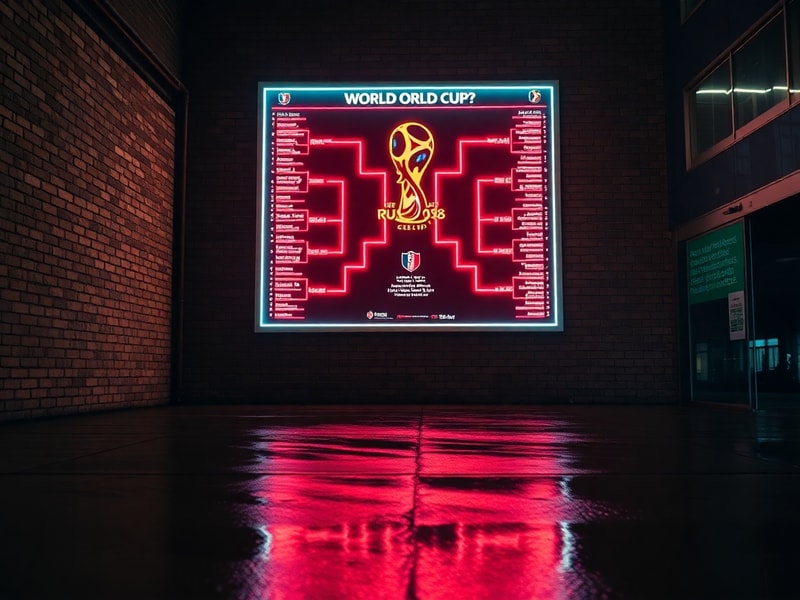
Bracket World Cup isn’t just another fantasy tournament—it’s a cultural experiment where strategy meets chaos. Unlike traditional bracket-based competitions that rely purely on luck or raw talent, this format forces participants to think several steps ahead. The rules are simple: draft a team of real-world athletes, coaches, or even fictional characters, then watch how their performance in actual matches reshapes your standing. What emerges is a high-stakes game where analytics, intuition, and sheer nerve collide.
The Rise of Bracket World Cup: How It Started and Why It Spread
The concept isn’t entirely new. Bracket challenges have long been a staple during major sporting events, from March Madness pools to World Cup prediction games. But the Bracket World Cup elevates the idea by integrating real-time data and deeper player analysis. Early versions emerged in European fantasy football circles, where participants tracked minute-by-minute performance stats. The pandemic accelerated its popularity, as fans sought interactive ways to engage with live sports while stuck at home.
Social media played a crucial role in its proliferation. Platforms like Twitter and Reddit became breeding grounds for strategy discussions, with users dissecting player form, injury reports, and tactical matchups. The viral appeal lies in its accessibility—anyone can join, regardless of sports expertise. Whether you’re a die-hard fan or a casual observer, the format rewards insight over insider knowledge.
Major platforms like ESPN and Yahoo later adopted variations of the model, embedding bracket tools directly into their live coverage. This mainstream integration solidified Bracket World Cup as more than a niche pastime. It became a way to monetize fan engagement, with sponsors and betting sites quickly capitalizing on the trend.
How Bracket World Cup Works: Rules, Strategies, and Pitfalls
The core mechanic is straightforward: participants select a squad of players or teams before a tournament begins. Points are awarded based on real-world performances—goals scored, assists made, clean sheets kept, and so on. The twist is the bracket structure, which forces early-round eliminations based on cumulative scores. Unlike linear fantasy leagues, this format creates sudden-death scenarios where one bad game can erase weeks of progress.
To succeed, players must balance risk and reward. Here are key strategic considerations:
- Draft depth over stars: A team packed with mid-tier performers often outlasts one built around a single superstar. Consistency trumps flash.
- Monitor fixture difficulty: Scheduling matters. A player facing three top-tier opponents in a row may yield fewer points than one with easier back-to-back matches.
- Adapt to in-game changes: Injuries, tactical shifts, and even referee decisions can swing outcomes. Active management—like swapping a struggling forward mid-tournament—is essential.
- Exploit bracket quirks: Some formats allow wildcard entries or late-stage reshuffles. Knowing when to deploy these tools can turn a losing streak into a comeback.
Common mistakes include overvaluing name recognition or ignoring late-round fixtures. A star player might shine in the group stage but falter against stronger opposition in the knockout rounds. Similarly, neglecting to review team news before deadlines can lead to costly oversights.
For those looking to dive deeper, Dave’s Locker Sports offers curated guides on drafting strategies and platform comparisons. Whether you’re playing for bragging rights or cash prizes, understanding the mechanics separates casual players from serious contenders.
The Broader Impact: Beyond Bragging Rights
The rise of Bracket World Cup reflects a broader shift in how fans consume sports. Traditional viewership is declining among younger demographics, but interactive formats are filling the gap. By turning passive spectators into active participants, the model boosts engagement metrics for broadcasters and leagues alike.
Economically, it’s a win for everyone involved. Fantasy sports platforms report surges in user activity during major tournaments, driving ad revenue and subscription sign-ups. Sponsors leverage the format to integrate branded challenges, turning casual players into potential customers. Even traditional sportsbooks have adapted, offering prop bets tied to bracket outcomes rather than individual player stats.
Culturally, Bracket World Cup has fostered new communities. Online forums and Discord servers dedicated to strategy-sharing have sprung up, blurring geographic boundaries. Fans who once watched games alone now debate lineups in real time, forging connections over shared triumphs and frustrations.
There’s also a democratizing effect. In regions where access to top-tier leagues is limited, Bracket World Cup allows fans to engage with global competitions on equal footing. A supporter in Lagos or Jakarta can outscore a London-based expert by leveraging niche knowledge of lesser-known players.
What’s Next for Bracket World Cup?
The future looks dynamic. AI integration is already underway, with platforms experimenting with algorithm-driven draft suggestions. Imagine a system that analyzes a player’s historical performance in high-pressure matches and recommends swaps based on real-time sentiment analysis of social media chatter.
Blockchain technology could also play a role, enabling decentralized leagues where participants trade players like NFTs. Smart contracts might automate payouts, reducing disputes and increasing transparency. For purists, though, such innovations risk diluting the human element—the gut feeling that separates a lucky guess from a brilliant hunch.
Another frontier is cross-sport integration. We’ve seen hybrid brackets combining football with basketball or cricket, appealing to fans of multiple disciplines. As esports continues its ascent, expect virtual athletes to join traditional rosters, creating entirely new tiers of competition.
For now, Bracket World Cup thrives on its simplicity and adaptability. It’s a reminder that the most enduring trends often emerge from the intersection of tradition and innovation. Whether you’re drafting your first squad or refining a championship-winning strategy, the thrill lies in the balance between control and chaos.
For more on interactive sports trends, check out Dave’s Locker Analysis, where experts break down the evolving landscape of fan engagement.