Why Flight BA284’s Birmingham Diversion Became a Talking Point
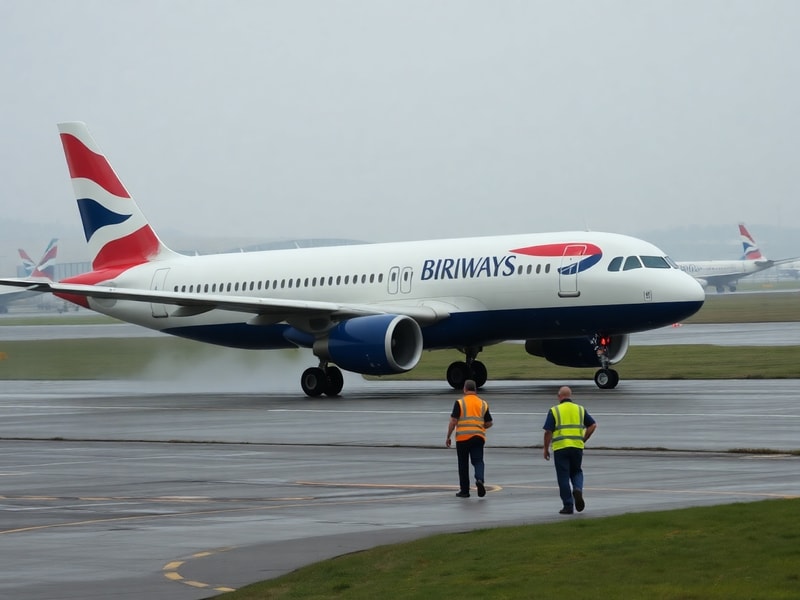
On the afternoon of 7 June 2024, British Airways flight BA284 from London Heathrow to Ibiza found itself circling above the English Midlands instead of basking in Mediterranean sunshine. An unscheduled diversion to Birmingham Airport left passengers waiting on the tarmac and social media abuzz with speculation. While the airline cited unspecified “operational reasons,” the incident highlighted the fragility of modern air travel when even routine flights can pivot into unplanned detours.
What began as a straightforward short-haul hop turned into a 90-minute delay for 138 passengers. The Boeing 787-8 Dreamliner landed safely, but the disruption rippled outward: crew scheduling, aircraft turnaround times, and onward connections all felt the knock-on effects. For many travellers, the episode was a reminder that the aviation industry’s precision is only as reliable as its weakest link—whether that’s air traffic control, weather, or internal airline processes.
Timeline of the Diversion: What We Know So Far
Official statements from British Airways and Birmingham Airport remain sparse, but piecing together aviation feeds, flight-tracking data, and passenger accounts provides a clearer picture.
The sequence unfolded as follows:
- 14:47 BST: BA284 departs Heathrow on runway 27L, bound for Ibiza (IBZ).
- 14:55 BST: Aircraft climbs to initial cruise altitude of 33 000 ft.
- 15:12 BST: Crew receives ATC instruction to divert to Birmingham due to “airspace restrictions” around London.
- 15:41 BST: Landing clearance issued at Birmingham; touchdown on runway 33.
- 17:10 BST: Passengers finally disembark after technical checks and refuelling.
- 18:23 BST: Second departure from BHX, arriving Ibiza 19:55 BST—two hours behind schedule.
Aviation analysts point to two likely triggers: either a sudden closure of London’s Terminal Control Area for military activity or an unplanned ground stop at Heathrow caused by an aircraft malfunction upstream. Neither explanation has been confirmed, but both underscore how quickly a single disruption can cascade.
Passenger Experiences and the Human Side of Delays
While airlines often reduce incidents to technical bulletins, passengers remember the lived experience: cramped seats, stale air, and the slow creep of uncertainty. One traveller told Dave’s Locker Travel that crew communication was “adequate but not proactive,” a common refrain when plans unravel mid-air.
For families with young children and elderly relatives, the diversion meant missed connection windows in Valencia and Mallorca, forcing rebookings and additional costs. British Airways later offered a £50 goodwill voucher, a gesture that soothed some frustrations but failed to address the root cause.
Social media lit up with memes and frustration. Hashtags #BA284 and #BHXdiversion trended locally, with users joking about “the shortest trip to Ibiza that didn’t involve a boat.” Yet beneath the humour lay a shared anxiety: if a major carrier like BA can be rerouted without warning, what does that say about the reliability of summer travel plans?
Broader Implications: What This Means for UK Aviation
The BA284 incident is not an isolated blip. In 2023, UK air traffic control handled over 1.8 million flights, with delays costing airlines an estimated £270 million in compensation and goodwill payouts. While Heathrow remains Europe’s busiest hub, its aging infrastructure struggles with surges in demand, military exercises, and unpredictable weather.
Industry watchers point to three systemic factors:
- Airspace saturation: London’s controlled zone is among the most congested in the world. A single runway closure at Heathrow can trigger a domino effect across the Southeast.
- Military co-ordination: Exercises such as Red Flag or NATO drills often require temporary flight restrictions. Airlines receive little advance notice, leaving crews scrambling to replan.
- Climate adaptation: Rising temperatures reduce aircraft performance at high-altitude airports, increasing the risk of diversions to lower-altitude alternatives like Birmingham or East Midlands.
British Airways has invested in digital rebooking tools and crew resilience training, yet the BA284 diversion reveals a gap between technological ambition and operational reality. Passengers increasingly expect real-time updates via apps, but ground stops still rely on phone calls and paper strips in control towers.
Looking ahead, the UK’s Airspace Modernisation Programme aims to create more flexible routes by 2027. Until then, travellers should brace for more “surprise layovers” and pack extra patience alongside their sunscreen.
What Travellers Can Do Next Time
While airlines bear ultimate responsibility, passengers can tilt the odds in their favour. Consider these steps before your next flight:
- Check live NOTAMs: Notices to Airmen (NOTAMs) flag runway closures or military activity before you leave for the airport.
- Download airline apps: Enable push notifications for gate changes and diversions to stay ahead of updates.
- Pack a comfort kit: Noise-cancelling headphones, a portable charger, and a reusable water bottle ease the pain of unexpected waits.
- Know your rights: Under UK/EU regulations, passengers on diverted flights may claim compensation if the delay exceeds three hours on arrival.
For deeper insights into airline policies and passenger rights, visit Dave’s Locker Airline News. Understanding the small print can turn frustration into leverage when things go off course.
The BA284 diversion may soon fade from headlines, but its echoes will linger in booking systems, crew rosters, and the collective memory of summer 2024 travellers. In an industry where punctuality is currency, even a single unscheduled stop can leave a lasting impression—one measured in delayed cocktails rather than departures.