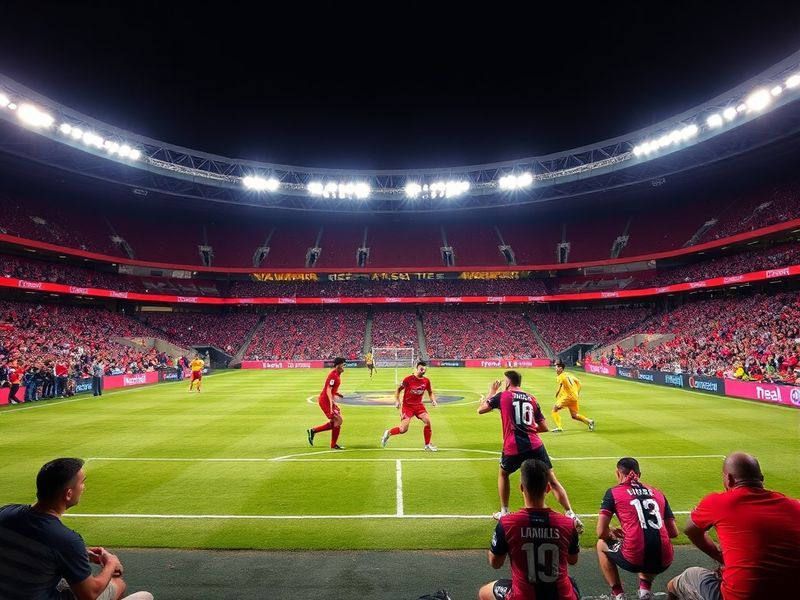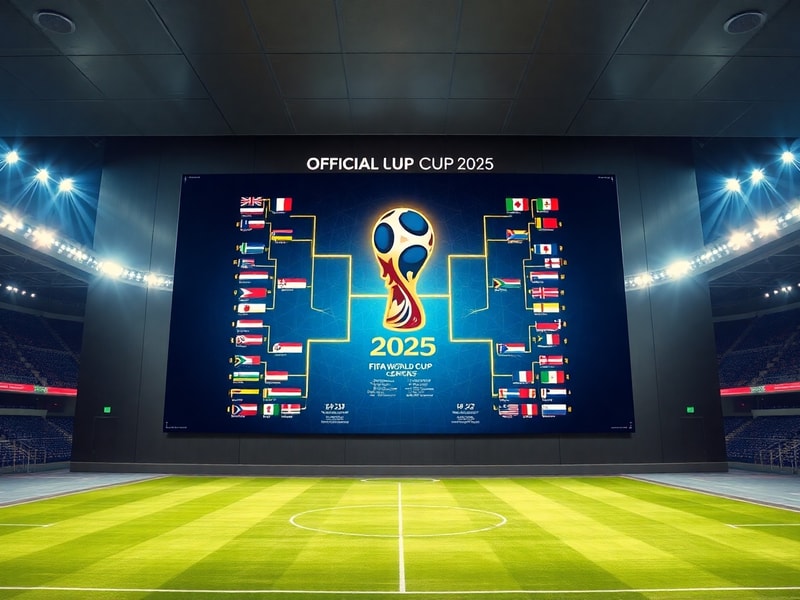
The FIFA World Cup 2026 will mark a historic shift in the tournament’s structure, expanding from 32 to 48 teams and reshaping the knockout bracket into a more inclusive and unpredictable format. Hosted jointly by the United States, Canada, and Mexico, this edition promises not only expanded competition but also a fresh narrative for football fans worldwide. The new format divides the 48 teams into 12 groups of four, with the top two from each group advancing, along with the best eight third-placed teams. This adjustment ensures more nations get a shot at glory while raising the stakes for every match.
The expanded format: what changes and why it matters
The expansion to 48 teams means nearly twice as many countries will compete compared to previous tournaments, creating a broader representation of global football. The new group stage structure—12 groups of four—differs from the traditional 8 groups of four used in 2022. After the group stage, the top two from each group will advance, along with the best eight third-placed teams, totaling 32 teams in the knockout rounds. This hybrid approach balances inclusivity with competitive integrity, allowing underdogs to shine while maintaining high standards of play.
From a logistical standpoint, hosting across three countries introduces unique challenges and opportunities. With matches spread across 16 cities in North America, teams and fans will experience diverse cultural settings—from the bustling streets of Mexico City to the tech-driven atmosphere of Seattle. This geographic spread also means local support will play a pivotal role, with certain nations potentially gaining home-field advantage in specific venues. The expanded format also means more fixtures, which could push the tournament’s duration to nearly a month, offering fans a prolonged feast of football.
Predicting the knockout bracket: early favorites and dark horses
Traditional powerhouses like Brazil, France, Argentina, and Germany remain favorites, but the expanded field means upsets are more likely. Teams such as Japan, South Korea, Morocco, and Senegal could emerge as dark horses, especially with their recent performances in World Cup and continental competitions. The new format also allows CONCACAF teams—hosts Mexico, the United States, and Canada—to compete on home soil, potentially boosting their chances of advancing deep into the tournament.
The knockout rounds will begin with the Round of 32, where lower-ranked teams could face early elimination or, conversely, pull off shock wins. For instance, a team like Australia or Canada, making their first significant strides in World Cup history, could capitalize on favorable draws to advance further than expected. Meanwhile, European giants like Spain and England will need to navigate a tougher path, with potential early clashes against strong African or South American sides.
The Round of 16 will likely see more tactical battles, as teams that survived the group stage with momentum will face stiffer competition. The introduction of eight third-placed teams adds another layer of unpredictability, as some may enter the knockout rounds with a chip on their shoulder. Coaches will need to manage fatigue and squad rotation carefully, especially with the increased number of matches.
Cultural and economic impact: a global stage for football’s growth
The World Cup 2026 isn’t just a sporting event; it’s a cultural and economic catalyst for North America and beyond. The tournament will expose millions of new fans to the sport, particularly in the U.S., where soccer’s popularity has been steadily rising. Host cities will benefit from tourism, infrastructure investments, and global visibility, while smaller nations will gain a platform to showcase their talent on the world stage.
For fans, the expanded format means more stories to follow. A team like Haiti or Jamaica, making their first-ever World Cup appearance, could inspire a generation of players and supporters. The tournament will also highlight the diversity of football cultures, from the flair of South America to the discipline of Europe and the resilience of African nations. Broadcasters and streaming platforms will see record engagement, as casual fans tune in to support their teams or simply enjoy the spectacle.
The economic ripple effects are significant. According to FIFA, the 2026 World Cup is projected to generate over $11 billion in revenue, with host cities investing in stadiums, transportation, and hospitality. Sponsorship deals and merchandise sales will surge, while local businesses in host cities will capitalize on the influx of visitors. This financial boost could leave a lasting legacy, particularly in regions where football infrastructure is still developing.
Key factors that could shape the bracket
A host of variables will influence the outcome of the World Cup 2026 bracket, beyond just talent and form. Injuries and suspensions could derail even the strongest teams, while fatigue from club commitments may impact player availability. The timing of the tournament—scheduled for June and July—also raises concerns about extreme heat in some host cities, potentially affecting performance and fan attendance.
Tactical innovation will play a crucial role. Teams that adapt quickly to the expanded format and manage their squads effectively will have an edge. Coaches like Pep Guardiola, Didier Deschamps, or Lionel Scaloni will need to balance attacking flair with defensive solidity, especially in the knockout rounds where one mistake can end a campaign.
Another factor is the psychological aspect of playing in front of passionate home crowds. For CONCACAF teams, support from local fans could be a game-changer, while European or South American teams might face hostile environments in certain venues. The ability to handle pressure and adapt to different playing styles will separate the contenders from the pretenders.
As the world prepares for football’s biggest party, the 2026 World Cup bracket offers a mix of tradition and innovation. Fans can expect drama, upsets, and moments of brilliance, all set against the backdrop of North America’s vibrant cities. Whether it’s a veteran star lifting the trophy or a debutant nation writing history, this tournament will redefine what it means to compete for the ultimate prize in football.