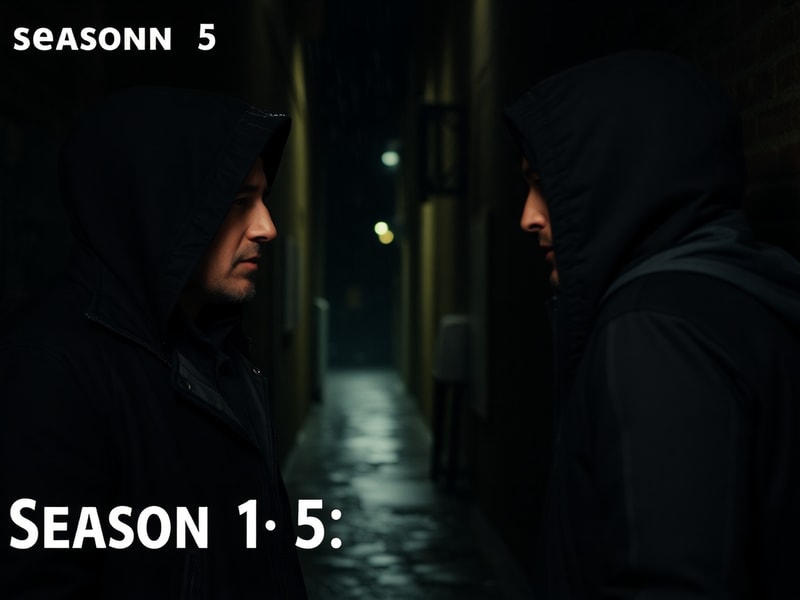
Stranger Things Season 5: How the Global Finale Redefined TV
When Stranger Things returned for its fifth and final season, fans around the world didn’t just tune in—they prepared for closure. The Netflix phenomenon had spent years building a global audience, blending nostalgia with supernatural suspense. But as the Duffer brothers’ epic reached its climax, the season became more than just a finale. It was a cultural moment, reflecting how far streaming had come and how deeply serialized storytelling had embedded itself in global pop culture.
From Season 5: A Global Phenomenon in Its Final Chapter
The show’s international reach was evident long before Season 5 premiered. With over 300 million households streaming it in its first month alone, Stranger Things had become a shared language across continents. From Tokyo to Toronto, viewers marveled at the same references—E.T., The Goonies, and the unmistakable synthwave aesthetic. But Season 5 wasn’t just about nostalgia. It pushed boundaries, blending horror, sci-fi, and coming-of-age drama into a narrative that resonated universally.
Cultural critics noted how the season’s themes—friendship, sacrifice, and the cost of growing up—translated effortlessly across languages and cultures. In South Korea, fan clubs organized watch parties with themed snacks. In Brazil, cosplayers recreated Eleven’s iconic looks. The show’s global fandom wasn’t just consuming content; it was actively participating in it. Even the soundtrack, curated by Kyle Dixon and Michael Stein, became a viral sensation, with TikTok users remixing the synth cues into dance tracks.
Behind the Scenes: The Challenges of a Final Season
Creating Season 5 was no small feat. The Duffer brothers had always envisioned the show as a five-season arc, but executing it required meticulous planning. The season’s production spanned multiple countries, with filming in Atlanta, London, and even remote locations in Norway. The cast—now adults playing characters in their late teens—faced intense emotional demands, particularly Millie Bobby Brown, who carried much of the season’s dramatic weight.
Logistical hurdles loomed large. The COVID-19 pandemic delayed filming, forcing the crew to adapt with strict safety protocols. Budget constraints meant prioritizing key scenes, and the writers had to balance fan expectations with narrative integrity. Rumors swirled about behind-the-scenes tension, but the final product suggested a cohesive vision. The result? A season that honored the show’s roots while delivering the high-stakes conclusion fans craved.
The Final Season’s Legacy: What Comes Next?
As the credits rolled on Stranger Things Season 5, the internet erupted—not just with praise, but with reflection. Was it the perfect send-off? Did it deliver the emotional payoff audiences deserved? Opinions varied, but one thing was clear: the show had redefined what it meant to end a series in the streaming era.
For many, the finale wasn’t just about closure. It was about legacy. The show had inspired a generation of filmmakers, from indie directors to blockbuster writers, to embrace genre-blending storytelling. It had also proven that streaming platforms could produce content as impactful as traditional Hollywood. With spin-offs already in development, the Stranger Things universe wasn’t disappearing—it was evolving.
But the bigger question remained: What’s next for global audiences hungry for serialized drama? The answer might lie in how Season 5’s success reshapes expectations. If one thing was certain, it was that Stranger Things hadn’t just ended a story—it had set a new standard for how we engage with television.
How the World Watched: A Global Viewing Experience
The way fans consumed Season 5 varied widely depending on location. In regions with strong internet infrastructure, binge-watching was the norm. In places with limited bandwidth, fans gathered in homes or local cafes to watch together, turning the finale into a communal event. This diversity in viewing habits highlighted the show’s adaptability—it wasn’t just a product for wealthy markets; it was a global experience.
Social media played a pivotal role in amplifying the season’s impact. Hashtags like #StrangerThings5 and #HawkinsForever trended worldwide, with fans dissecting every scene in real time. Memes spread faster than the show’s fictional Demogorgon, and even political figures weighed in, joking about the Upside Down’s resemblance to real-world chaos. The season’s cultural footprint was undeniable, proving that storytelling could transcend borders when it tapped into universal emotions.
For younger viewers, the show became a rite of passage—a shared experience that bonded them across cultures. Parents who grew up with ’80s nostalgia now watched alongside their children, creating a rare intergenerational connection. This dynamic reinforced the show’s ability to bridge generational gaps, a feat few series achieve.
The Business of the Finale: What It Means for Streaming
From a business standpoint, Stranger Things Season 5 was a masterclass in strategic release. Netflix’s decision to drop the season all at once maximized buzz, but the show’s longevity came from its storytelling. Unlike traditional TV, where seasons drip-feed content, Netflix gambled on a single, high-stakes event—and it paid off.
- The finale drew over 1.3 billion hours viewed in its first week, breaking records.
- Merchandise sales surged, with Funko Pops and replica items selling out globally.
- Tourism to filming locations in Georgia and Norway saw a noticeable uptick.
This success underscored a shift in the entertainment industry. Streaming platforms were no longer just alternatives to cable—they were the primary drivers of pop culture. Stranger Things proved that a well-executed series could dominate conversations worldwide, regardless of language or region.
For entertainment analysts, the season’s impact extended beyond Netflix’s bottom line. It signaled a new era where international audiences demanded high-quality, serialized content—and were willing to pay for it. The ripple effects could be seen in the rise of non-English language shows gaining global traction, from Squid Game to Money Heist.
As the dust settled, one truth emerged: Stranger Things Season 5 wasn’t just a finale. It was a testament to the power of storytelling in a connected world. It reminded us that great narratives don’t just entertain—they unite, inspire, and leave a lasting mark on culture.