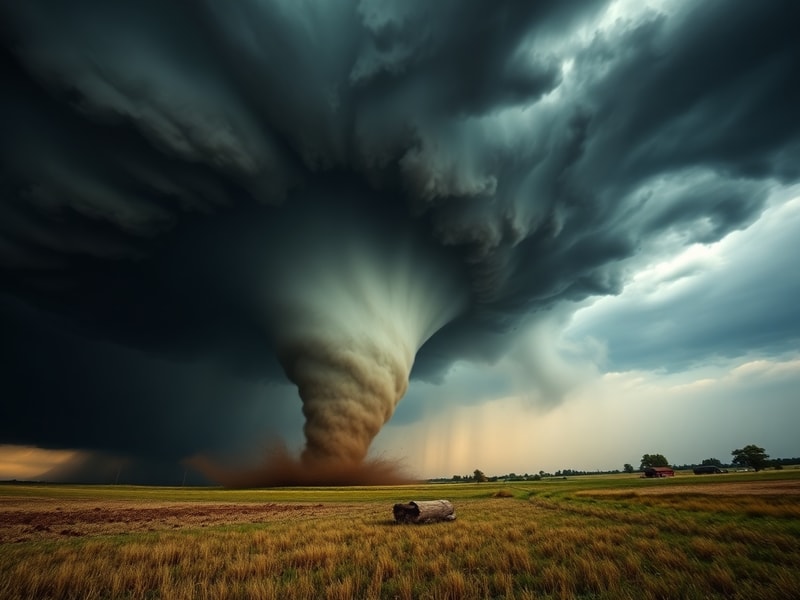
Tornado Warnings: Science, Safety, and Global Impact Explained
Understanding Tornado Warnings: From Midwest to Monsoons
Tornado warnings save lives. When the sky darkens and winds howl unpredictably, these alerts provide the crucial minutes needed to seek shelter. But what exactly triggers a tornado warning? How do different regions prepare for these violent storms? And why do some communities remain vulnerable despite advanced forecasting?
Globally, tornadoes occur on every continent except Antarctica, though they are most common in the United States. The U.S. averages over 1,200 tornadoes per year—more than any other country. Yet nations like Bangladesh, Argentina, and South Africa also face significant tornado risks, often with far fewer resources for warning systems. Cultural attitudes toward weather, infrastructure resilience, and government response all shape how communities experience these disasters.
How Tornado Warnings Work: Science Behind the Alerts
Tornado warnings are issued by meteorological agencies when a tornado is either observed or detected by radar. In the U.S., the National Weather Service (NWS) plays a central role. When Doppler radar indicates rotation within a thunderstorm, or when trained spotters confirm a funnel cloud, a warning is broadcast immediately. The goal is to provide 10 to 15 minutes of lead time—just enough to reach safety.
Modern technology has improved accuracy. Dual-polarization radar, for example, helps distinguish between rain, hail, and debris lofted by a tornado. Machine learning models now analyze storm behavior in real time, reducing false alarms. Yet even the best systems struggle with isolated, short-lived tornadoes that form and dissipate within minutes.
In contrast, some countries rely on older methods. In rural Bangladesh, where tornadoes can kill hundreds, warnings often come via mosque loudspeakers or community volunteers. The lack of widespread radar networks means lives depend on word of mouth—a reminder that technology alone doesn’t prevent tragedy.
Global Tornado Hotspots: Where the Risk Is Highest
While the U.S. leads in tornado frequency, other regions face unique challenges. Here’s a look at where tornadoes occur most often and why:
- Tornado Alley (USA): Stretching from Texas to South Dakota, this region sees frequent clashes between warm, moist air from the Gulf and cold, dry air from Canada. Spring and early summer bring the highest risk.
- Dixie Alley (Southeastern U.S.): Extending from Mississippi to Alabama, this area experiences tornadoes year-round, often at night, which increases danger due to lower awareness.
- Bangladesh and Eastern India: The world’s deadliest tornadoes occur here, fueled by the Himalayas and Bay of Bengal. In 1989, a tornado in Manikganj killed nearly 1,300 people—one of the deadliest in history.
- Pampas Region (Argentina): Known as the “tornado corridor,” this area sees frequent storms due to warm air from Brazil colliding with cold air from the Andes.
- Europe (especially Germany and Poland): While rare, tornadoes here can be intense. In 2021, a tornado in Poland killed five and injured dozens, showing Europe’s vulnerability.
Climate change may be altering these patterns. Warmer temperatures increase atmospheric instability, potentially leading to more frequent and intense tornado outbreaks. Scientists are still studying the connection, but early data suggests the risk is rising in unexpected places.
Cultural and Economic Impacts: More Than Just Wind
Tornadoes don’t just destroy buildings—they reshape communities. In the U.S., the cost of tornado damage averages $10 billion annually. Small towns often struggle to recover, especially when vital infrastructure like hospitals or power grids is damaged. In 2011, the Joplin, Missouri, tornado killed 161 people and caused $2.8 billion in damage, making it the costliest in U.S. history.
Beyond economics, tornadoes carry deep cultural weight. In the American South, storytelling about tornadoes becomes part of local identity. Songs, oral histories, and even religious interpretations frame these storms as acts of nature—or divine judgment. In Bangladesh, tornadoes are often described in folklore as the work of spirits, reflecting a blend of fear and fatalism.
Economic disparities also play a role. In wealthier nations, advanced warning systems and sturdy construction reduce casualties. But in developing countries, poverty forces people to live in poorly built homes, increasing vulnerability. The 2020 tornado in downtown Nashville, Tennessee, injured 22 and damaged historic buildings, proving that even modern cities aren’t immune.
Lessons from Recent Disasters: What Works and What Doesn’t
After deadly tornado outbreaks, experts analyze what went wrong. In 2021, a tornado outbreak in Kentucky killed 80 people, including six in a candle factory where workers couldn’t evacuate in time. The incident sparked outrage over workplace safety regulations and emergency planning.
Contrast that with Moore, Oklahoma, where a 2013 tornado destroyed hundreds of homes but left only a handful of fatalities. The city’s strict building codes and regular tornado drills contributed to the lower death toll. Similarly, in Finland, where tornadoes are rare but still dangerous, public education campaigns have reduced injuries over the past decade.
One consistent challenge is communication. In 2022, a tornado in Gaylord, Michigan, caught residents off guard when a warning siren failed to activate. The incident highlighted the need for redundant systems—sirens, text alerts, and social media—to ensure no one is left in the dark.
Preparing for the Next Storm: How to Stay Safe
Whether you live in Tornado Alley or a region with rare tornadoes, preparation is key. The NWS recommends the following steps:
- Have a plan: Identify a safe room—basement, storm cellar, or interior room on the lowest floor. Practice drills with your family or coworkers.
- Stay informed: Use a weather radio, smartphone alerts, or apps like Weather Underground. Never rely solely on outdoor sirens.
- Protect your property: Install storm shutters, reinforce garage doors, and clear gutters to prevent debris buildup. In tornado-prone areas, consider a safe room or storm shelter.
- After the storm: Watch for downed power lines, gas leaks, or unstable structures. Use flashlights, not candles, to avoid fire risks.
For those in high-risk regions, community resilience matters as much as individual action. In Wichita, Kansas, a network of volunteers called “Storm Spotters” helps the NWS track storms in real time. Their efforts have improved warning accuracy by nearly 20% in the past five years.
Globally, organizations like the Red Cross train volunteers in tornado-prone areas to provide first aid, distribute emergency kits, and coordinate evacuations. In Bangladesh, local NGOs work with farmers to design cyclone shelters that double as tornado refuges—a lifesaving adaptation to extreme weather.
Looking Ahead: Can We Predict Tornadoes Better?
The future of tornado forecasting lies in artificial intelligence and global collaboration. Projects like the European Severe Storms Laboratory use AI to predict tornadoes up to an hour in advance. Meanwhile, NASA’s Cyclone Global Navigation Satellite System (CYGNSS) monitors atmospheric conditions worldwide, offering new insights into storm formation.
Still, challenges remain. Tornadoes form quickly, often with little warning. And in countries with limited resources, even basic radar systems are out of reach. Until technology catches up with need, education and preparedness will remain the best defenses.
One thing is clear: Tornado warnings aren’t just about science—they’re about survival. Whether in the heartland of America or the floodplains of Bangladesh, the goal is the same: to give people the time and tools to protect themselves. The next time the sky turns green and the wind howls, those warnings could mean the difference between life and death.