DoorDash Outage Exposes Fragility of Food Delivery Giants
DoorDash Outage Disrupts Meals—and Trust—in Real Time
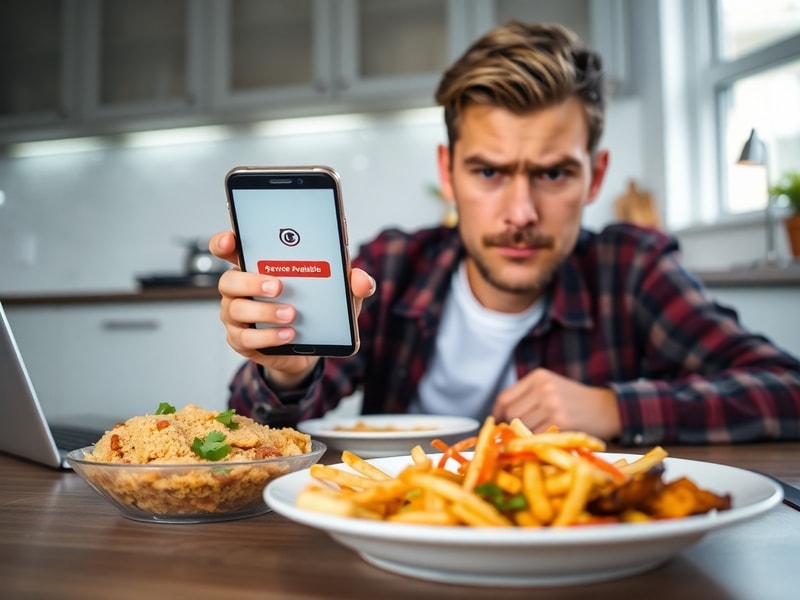
On a typical Tuesday evening, millions of customers across the U.S. reached for their phones expecting the familiar green DoorDash app to load. Instead, they were met with spinning wheels, error messages, and a sense of déjà vu. A major service outage had plunged the $33 billion food-delivery giant into an operational blackout, leaving orders unfulfilled and trust unchecked.
The disruption wasn’t isolated to one city or state. From Los Angeles to New York, from Portland to Miami, users reported identical issues: login failures, frozen screens, and drivers stuck in limbo. The outage lasted nearly two hours, according to company statements, but in the digital age, two hours can feel like a lifetime. For gig workers who rely on DoorDash for income, and for customers who depend on it for convenience, the interruption wasn’t just inconvenient—it was a stark reminder of how deeply embedded on-demand services have become in daily life.
This wasn’t the first time DoorDash experienced a major outage. In 2022, a similar incident disrupted service for over 90 minutes, drawing criticism and regulatory scrutiny. The recurrence raises a critical question: How reliable are the platforms we’ve come to trust with everything from dinner orders to our personal data?
What Went Wrong: The Technical Backstory
According to DoorDash’s official status page, the outage stemmed from a “third-party service interruption” that cascaded through its payment and authentication systems. While the company did not name the third party, industry analysts speculate it may have involved a cloud provider or payment processor—common weak links in the digital food chain.
Such outages are not unique to DoorDash. Competitors like Uber Eats and Grubhub have faced similar disruptions, highlighting a shared vulnerability in the gig economy’s infrastructure. These platforms operate on complex, interdependent networks where a single point of failure can bring the entire system to a standstill.
- Authentication systems: When login and verification services fail, users can’t access accounts, place orders, or track deliveries.
- Payment gateways: Frozen transactions mean drivers aren’t paid and restaurants aren’t reimbursed—causing immediate financial strain.
- Geolocation services: Without real-time GPS, drivers and customers lose visibility, creating confusion and mistrust.
Experts from technology circles point out that while cloud services offer scalability, they also introduce single points of failure. A misconfigured update, a regional data center outage, or even a cyberattack can trigger widespread disruptions. DoorDash’s reliance on multiple third-party vendors may offer flexibility, but it also increases exposure to systemic risk.
Cultural Ripple: When Convenience Meets Crisis
In many urban centers, food delivery apps have evolved from a luxury to a necessity. In dense cities like San Francisco and Chicago, where parking is scarce and time is precious, platforms like DoorDash don’t just deliver meals—they deliver peace of mind. When they fail, the psychological impact is immediate.
Social media became a digital town square for frustration. On X (formerly Twitter), users shared screenshots of error messages with hashtags like #DoorDashDown and #WhereIsMyFood. Memes circulated—images of empty pizza boxes labeled “DoorDash Ghost Order”—capturing both humor and exasperation. The viral response wasn’t just about hunger; it was about dependency.
Globally, the story took on different hues. In India, where food delivery apps like Swiggy and Zomato dominate urban life, similar outages have sparked public debate about digital monopolies and worker rights. In Europe, regulators have begun scrutinizing gig economy platforms over data privacy and labor conditions. The DoorDash outage served as a case study in how quickly trust erodes when technology fails.
It also exposed cultural differences in consumer expectations. In the U.S., where instant gratification is normalized, a two-hour delay feels catastrophic. In countries with stronger local food cultures—like Italy or Thailand—people may be more likely to revert to neighborhood eateries when apps fail. Yet even in those places, the rise of delivery culture means disruptions carry broader implications for small businesses and gig workers.
Who Pays the Price? A Look at the Ecosystem
The most immediate victims of the outage were the drivers. DoorDash’s fleet of over 2 million independent contractors relies on the app for order assignments, navigation, and payment. When the system goes down, they’re left in the dark—literally and figuratively. Many reported being unable to log in, accept orders, or receive payouts. Some drivers vented in online forums, calling the incident a breach of trust.
Restaurants, especially smaller, independent ones, also felt the pain. During peak hours, DoorDash can represent 30% or more of a restaurant’s daily revenue. A sudden outage means lost sales, wasted ingredients, and frustrated customers who may never return. While DoorDash typically compensates restaurants for undelivered orders, the reputational damage lingers.
For customers, the cost was less financial than psychological. The convenience of tapping a button and receiving food in 30 minutes has redefined modern dining. When that convenience vanishes, even temporarily, it forces a reset in expectations. Some users canceled subscriptions to DoorDash Premium. Others vowed to support local restaurants directly next time.
But the biggest cost may be to DoorDash’s reputation. Trust is the currency of the gig economy. When a platform fails repeatedly, users begin to question whether it’s worth the risk. Competitors like Uber Eats and Instacart are quick to capitalize on such moments, offering promotions and emphasizing reliability. In a market valued at over $200 billion globally, even a minor loss of confidence can translate to millions in lost revenue.
Lessons in Resilience: What Comes Next
The DoorDash outage wasn’t an anomaly—it was a stress test for the entire food-delivery ecosystem. As platforms scale globally, they must invest not only in growth but in resilience. That means diversifying infrastructure, implementing fail-safes, and being transparent when things go wrong.
For consumers, the incident is a reminder to diversify. Relying solely on one app for meals, groceries, or errands is risky. For workers, it’s a call to advocate for better protections—such as guaranteed minimum earnings during outages and clearer communication from platforms. For regulators, it’s further evidence that gig economy oversight must evolve beyond tax classification debates to include operational reliability and consumer rights.
DoorDash has since apologized and pledged to improve system redundancy. But in an era where digital services shape daily life, reliability isn’t optional—it’s essential. The next outage may not be hours away. It may be minutes.