The Global Influence of Japanese Games: Why the World Can’t Get Enough
Japanese games have long dominated the global gaming landscape, shaping trends, defining genres, and capturing the imaginations of millions. From the pixelated adventures of the 1980s to the cinematic masterpieces of today, Japan’s gaming industry continues to innovate while maintaining a distinct cultural identity. This influence extends far beyond its borders, creating a ripple effect that shapes how games are designed, marketed, and consumed worldwide.
The country’s gaming legacy is rooted in its ability to blend tradition with cutting-edge technology. Developers in Japan have consistently pushed boundaries, whether through the intricate storytelling of Final Fantasy or the fast-paced action of Street Fighter. Even as Western developers have risen to prominence, Japanese games remain a benchmark for quality, creativity, and emotional depth. But what exactly makes them so enduring? The answer lies in a mix of cultural storytelling, technological ambition, and an unyielding commitment to player experience.
One of the most striking aspects of Japanese games is their ability to transcend language barriers. A well-designed game can evoke universal emotions—joy, frustration, awe—without relying on dialogue. Titles like Dark Souls and Animal Crossing thrive on mechanics and aesthetics that feel instinctive, even to players who don’t speak Japanese. This universality has helped Japanese developers build massive, dedicated fanbases across continents.
The Cultural Roots of Japanese Gaming
Japan’s gaming culture is deeply intertwined with its broader artistic traditions. The country’s history of manga, anime, and arcade culture has provided a fertile ground for game development. Many iconic Japanese games draw inspiration from these mediums, creating a seamless crossover between different forms of entertainment.
For example, Persona 5 blends the visual style of anime with turn-based combat, while Resident Evil borrows from horror cinema to craft its tense, atmospheric gameplay. This cross-pollination isn’t just stylistic—it’s structural. Japanese games often prioritize narrative coherence, visual flair, and player agency in ways that feel distinct from Western or Korean counterparts. Even in genres like sports games, Japanese developers like Sega and Konami have infused their titles with a level of detail and creativity that sets them apart.
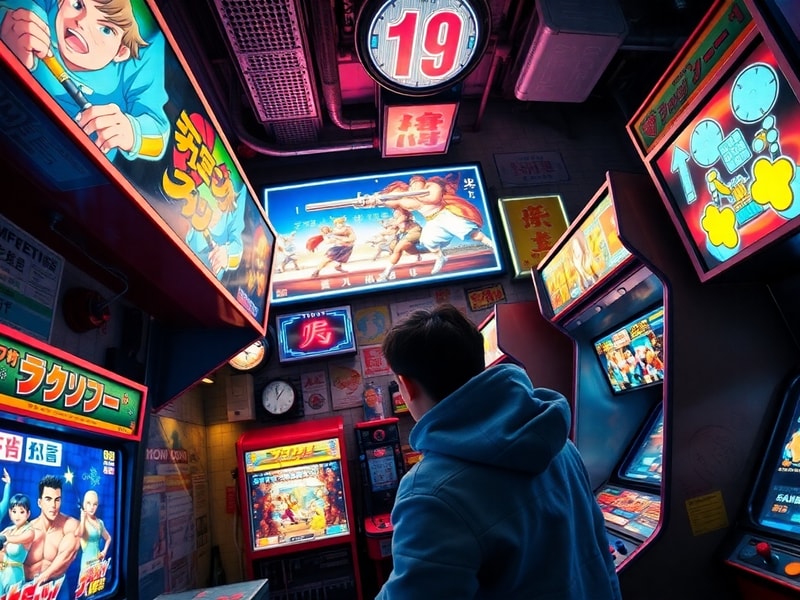
Another key factor is Japan’s arcade culture, which thrived in the 1980s and 1990s. Games like Pac-Man and Street Fighter II weren’t just hits—they were social experiences. Players gathered in arcades to compete, collaborate, and share strategies, creating a communal bond that persists in online gaming today. This emphasis on shared experiences has influenced modern multiplayer games, where community and competition remain central themes.
The Business of Japanese Gaming: A Global Powerhouse
Japan’s gaming industry is not just about creativity—it’s a multimillion-dollar business that shapes the global market. Companies like Nintendo, Sony, and Capcom have established themselves as household names, but their success is built on more than just brand recognition. These companies have mastered the art of balancing innovation with accessibility, ensuring their games appeal to both hardcore fans and casual players.
Nintendo, in particular, has become synonymous with gaming innovation. From the Wii’s motion controls to the Switch’s hybrid design, the company has repeatedly redefined how players interact with games. Sony’s PlayStation brand, meanwhile, has carved out a niche in cinematic storytelling, with titles like God of War and The Last of Us drawing inspiration from Japanese game design philosophies.
The business model of Japanese gaming companies often revolves around long-term engagement. Instead of relying solely on one-off purchases, many Japanese developers prioritize ongoing content updates, seasonal events, and community-driven experiences. Games like Monster Hunter: World and Genshin Impact thrive on this approach, keeping players invested for years. This strategy has proven particularly effective in mobile gaming, where Japanese companies like Bandai Namco and Square Enix have dominated the charts.
However, the industry isn’t without its challenges. Japan’s aging population and shrinking domestic market have forced companies to look overseas for growth. The global success of the Pokémon franchise and Animal Crossing: New Horizons during the pandemic proved that Japanese games still have universal appeal. But as competition from China and the West intensifies, Japanese developers must continue to innovate to stay relevant.
The Future of Japanese Gaming: Trends and Predictions
As technology advances, Japanese games are poised to evolve in exciting ways. Virtual reality (VR), augmented reality (AR), and cloud gaming are opening new avenues for experimentation. Titles like Resident Evil 7 VR and Pokémon GO have already demonstrated the potential of these technologies, blending Japanese creativity with cutting-edge hardware.
One emerging trend is the fusion of traditional Japanese aesthetics with modern gameplay mechanics. Games like Ghost of Tsushima and Nioh have successfully merged samurai culture with action-adventure gameplay, appealing to both Japanese and international audiences. This trend is likely to continue, with developers exploring historical settings, folklore, and even futuristic interpretations of Japanese culture.
Another area of growth is indie gaming. Japan’s indie scene has exploded in recent years, with developers like Team17 and PlatinumGames gaining international recognition. These smaller studios often take bigger risks, experimenting with unique art styles and gameplay mechanics that larger companies might shy away from. Platforms like Steam and the Nintendo eShop have made it easier for indie developers to reach global audiences, further diversifying Japan’s gaming output.
Looking ahead, the biggest challenge for Japanese games may be balancing tradition with innovation. The industry’s strength lies in its ability to honor its roots while embracing new ideas. Whether through the retro-inspired Streets of Rage 4 or the narrative-driven NieR: Automata, Japanese developers continue to prove that their creativity knows no bounds.
Why Japanese Games Matter in a Global Market
Japanese games matter because they offer something different—a blend of artistry, challenge, and emotional resonance that’s hard to find elsewhere. In an industry increasingly dominated by live-service games and microtransactions, Japanese developers still prioritize player experience above all else. This philosophy has earned them a loyal fanbase and critical acclaim, even as the market becomes more crowded.
Moreover, Japanese games serve as a cultural bridge, introducing players around the world to Japanese traditions, history, and values. A game like Okami teaches players about Japanese mythology, while Yakuza series offers a glimpse into modern Japanese society. These experiences foster cross-cultural understanding, making Japanese games more than just entertainment—they’re ambassadors of culture.
The global gaming community owes a debt of gratitude to Japan’s developers. Their willingness to take risks, their dedication to craftsmanship, and their unwavering passion for storytelling have elevated the medium to new heights. As the industry continues to evolve, one thing is certain: Japanese games will remain at the forefront, shaping the future of gaming for generations to come.