Metallica’s £100k Cardiff Foodbank Donation: How Tours Are Changing Charity
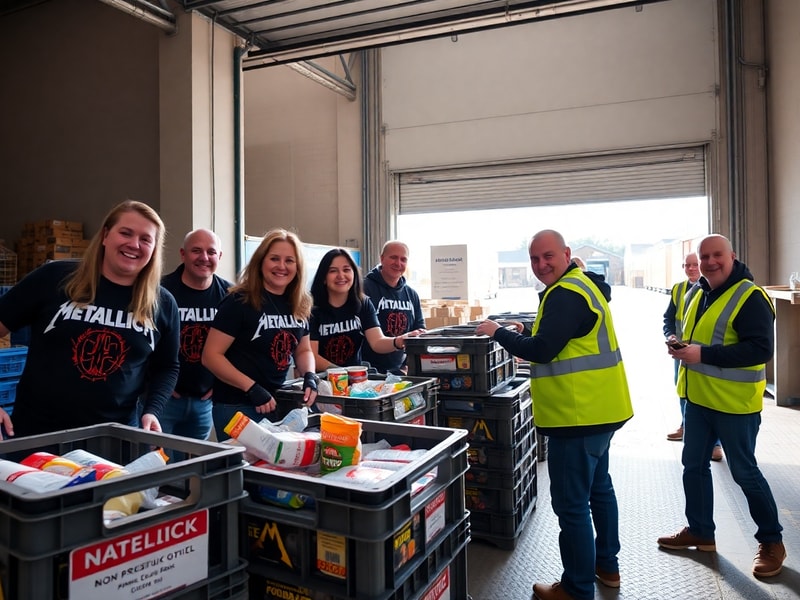
Metallica’s surprise announcement of a £100,000 donation to the Cardiff Foodbank has sent ripples through both the music and charity sectors. The metal titans, known for their stadium-sized tours and decades-spanning influence, redirected funds originally earmarked for their own expenses toward addressing food poverty in Wales’ capital. It’s a move that underscores how corporate social responsibility is evolving among global touring acts, blending performance with purpose.
For Cardiff Foodbank, a charity supporting over 14,000 individuals annually, the donation arrived at a critical moment. Rising living costs and inflation have stretched resources thin, with demand for emergency food parcels up nearly 30% compared to pre-pandemic levels. The timing of Metallica’s gift—timed just weeks before their Cardiff show as part of the M72 World Tour—has drawn attention to how live events can function as platforms for social impact.
From Backstage to Frontline: The Mechanics of the Donation
The donation wasn’t a last-minute impulse. According to a statement from Metallica’s management, funds were redirected from tour logistics savings, particularly in hospitality and local vendor contracts. The band had previously committed to offsetting their carbon footprint for the Cardiff date, but this initiative went further—directly injecting capital into community infrastructure.
Cardiff Foodbank operates under the umbrella of the Trussell Trust, a network of over 1,300 foodbanks across the UK. The £100,000 will be allocated in stages: £50,000 for immediate food purchases, £30,000 for warehouse storage upgrades, and £20,000 for emergency grants to families facing eviction or utility disconnection. Local organizers confirmed that the funds will help stabilize supply chains, which have been disrupted by Brexit-related import delays and rising fuel costs.
“This isn’t just money—it’s a vote of confidence in grassroots work,” said a spokesperson for the foodbank. “When a global brand like Metallica chooses to invest in us, it signals that no community is too small to matter.”
Why Big Tours Are Changing How They Give Back
Metallica’s donation reflects a growing trend among major touring acts. Bands like Coldplay and U2 have integrated sustainability clauses into their rider contracts, while festivals such as Glastonbury now mandate charitable contributions as part of venue agreements. The shift is driven by both reputational risk and genuine social awareness—millennials and Gen Z audiences increasingly expect brands to align with ethical values.
Key factors behind this evolution include:
- Fan expectations: Younger concertgoers prioritize brands that demonstrate social responsibility, influencing purchasing decisions and streaming habits.
- Tour economics: With rising production costs, acts are seeking ways to offset expenses through positive PR and tax-efficient giving.
- Regulatory pressure: Governments are tightening rules around corporate tax avoidance, pushing multinationals to invest locally.
- Crisis amplification: The pandemic exposed vulnerabilities in food systems, prompting artists to act where governments lagged.
Metallica’s approach stands out for its transparency. Unlike some acts that donate anonymously through intermediaries, the band publicly credited the foodbank on social media, linking directly to their donation page. This level of visibility turns a private act of charity into a public conversation about inequality.
Beyond Cardiff: The Ripple Effect Across the UK
While Cardiff Foodbank received the immediate benefit, the donation’s broader implications are unfolding across the charity sector. Other Welsh foodbanks have reported increased inquiries from potential donors, inspired by Metallica’s example. In England, the Trussell Trust has launched a Music Industry Social Impact Fund, inviting bands on tour to earmark a percentage of merchandise profits for local foodbanks.
Critics argue that corporate social responsibility in music remains inconsistent. Not all acts have the financial cushion to redirect funds, and some donations are tied to marketing campaigns rather than genuine need. Yet Metallica’s move proves that even in an industry built on spectacle, real-world impact is possible when intention aligns with action.
“This isn’t about virtue signaling,” said a Cardiff-based community organizer. “It’s about recognizing that when you bring thousands of people together in one city, you have a responsibility to give something back—beyond the noise of the concert.”
The Bigger Picture: Can Music Save Communities?
The donation spotlights a paradox: the music industry thrives on excess, yet its audiences often face deprivation. Festivals generate millions in revenue, yet many local residents can’t afford the tickets. Tours consume vast resources—hotels, transport, catering—while nearby charities struggle to meet basic needs.
Metallica’s gesture suggests a path forward. By embedding charitable contributions into tour budgets, acts can transform their economic footprint into social capital. The Cardiff gift demonstrates how a single act of generosity can catalyze systemic change—if replicated at scale.
For now, the foodbank’s shelves are fuller, the warehouse is more organized, and the people of Cardiff have a reason to believe that even in hard times, help can arrive from the unlikeliest of places. The band’s next stop is Edinburgh, where local organizers are already preparing proposals for a similar initiative. If more acts follow suit, the music industry might just play a role in rewriting the rules of corporate responsibility.