Meet Sandy: The Golden Eagle Eaglet Taking Flight in California
The Hidden World of Big Bear Eaglets: Sandy’s Story
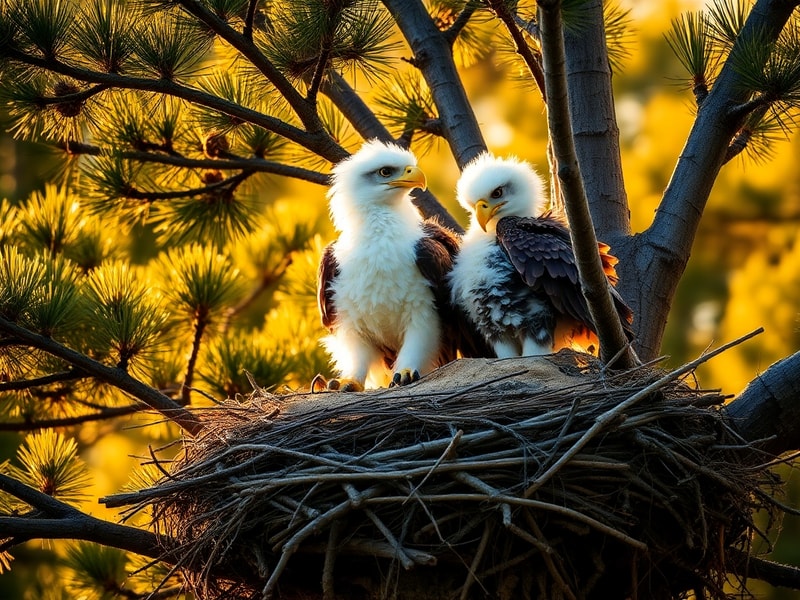
High in the San Bernardino Mountains of Southern California, a pair of golden eagles has been quietly raising their offspring, drawing the attention of wildlife enthusiasts and researchers alike. The larger of the two eaglets, affectionately named Sandy, has become something of a local celebrity. Her journey from a fragile hatchling to a near-fledged juvenile offers a rare glimpse into the lives of these majestic birds, which have long captivated human imagination across cultures.
Eagles have been symbols of power, freedom, and transcendence for millennia. In ancient Rome, they were associated with Jupiter, the king of the gods, while Native American tribes such as the Lakota viewed them as spiritual messengers. Even today, the sight of an eagle soaring overhead evokes a sense of awe—whether in North American wilderness or the steppes of Mongolia. Sandy’s story is not just about one bird; it reflects the broader challenges and triumphs of raptor conservation in a changing world.
The Nesting Grounds: A Rare Ecosystem in Peril
The San Bernardino Mountains provide a critical habitat for golden eagles, though their environment is under increasing pressure. Rising temperatures, wildfires, and human encroachment have fragmented their traditional ranges. Sandy’s nest, perched on a rocky outcrop, sits within a landscape that has seen dramatic shifts over the past decade. According to the U.S. Fish and Wildlife Service, golden eagle populations in California have declined by an estimated 24% since the 1990s, primarily due to habitat loss and electrocution from power lines.
Conservationists point to the importance of protected areas like the San Bernardino National Forest, where Sandy’s family resides. These regions serve as vital corridors for migrating birds and breeding grounds for apex predators. Yet, balancing development with conservation remains a global challenge. In Europe, for instance, golden eagles face threats from wind farms and agricultural intensification. Meanwhile, in parts of Africa, they are persecuted due to perceived conflicts with livestock. Sandy’s survival is not guaranteed, but her progress offers hope for the species’ resilience.
A Day in the Life of Sandy: Growth and Survival
Born in late winter, Sandy hatched alongside a sibling, though sibling rivalry often leads to one chick dominating resources. By early spring, she was already practicing flapping her wings in preparation for flight. Golden eagles typically fledge between 65 to 75 days after hatching, and Sandy is on track to meet that milestone. Her parents, both experienced hunters, bring her a diet rich in rabbits, ground squirrels, and occasionally reptiles. The feeding process is a lesson in survival—each meal teaches Sandy coordination, strength, and the art of ambush predation.
Observers have noted Sandy’s curiosity and boldness. Unlike her sibling, who tends to stay closer to the nest, Sandy frequently ventures to the edge, testing her balance and wings. This behavior aligns with broader observations of juvenile eagles, which often exhibit high levels of exploration as they prepare for independence. However, it also makes them vulnerable to predators like coyotes or even rival eagles. Nature’s balance is precise—too much boldness can be fatal, but caution can lead to starvation.
Researchers from the Science and Education programs at the nearby Big Bear Discovery Center have been documenting Sandy’s development. Using remote cameras and GPS tracking, they’ve recorded her movements and feeding patterns. Their data contributes to a growing body of knowledge about golden eagle behavior, which is still not fully understood. For instance, while adult eagles are known to mate for life, the survival rate of juveniles remains low, with many not living past their first year. Sandy’s progress is a small but significant victory for conservationists.
The Cultural Echo: Eagles in Human Imagination
Sandy’s story resonates far beyond the mountains of California. Eagles have long been woven into the fabric of human culture, symbolizing everything from divine authority to personal freedom. In Japan, the golden eagle is celebrated as a symbol of the Ainu people’s spiritual connection to nature. Meanwhile, in Celtic mythology, the eagle was linked to the sun god Lugh, representing vision and foresight. Even in modern times, the bald eagle remains an emblem of the United States, embodying resilience and national pride.
Yet, this cultural reverence hasn’t always translated into protection. Historically, eagles were hunted for their feathers, talons, and perceived threats to livestock. Today, while legal protections exist in many countries, illegal poaching and poisoning continue to pose threats. In Mongolia, for example, eagle hunters—known as berkutchi—still practice a tradition where golden eagles are trained to hunt wolves and foxes. This ancient practice is recognized by UNESCO as part of the country’s intangible cultural heritage, yet it also highlights the complex relationship between humans and these birds.
Sandy’s story invites reflection on how we, as a global society, interact with wildlife. Do we see eagles as symbols to be admired from afar, or as integral parts of ecosystems that demand active protection? The answer lies in how we shape policies, educate future generations, and support conservation efforts. Organizations like the Conservation groups worldwide are working to create safe spaces for eagles like Sandy, ensuring that her species doesn’t become a relic of the past.
What’s Next for Sandy?
As Sandy approaches fledging age, her future remains uncertain. Will she successfully take her first flight? Will she find enough food to sustain herself once she leaves the nest? These questions are part of a larger narrative about the survival of golden eagles in a rapidly changing world. Her journey is a microcosm of the challenges faced by apex predators globally—habitat loss, climate change, and human-wildlife conflict.
For now, Sandy’s story continues to unfold. Her resilience mirrors the broader struggles of wildlife in the 21st century. Whether she becomes a parent herself in a few years or faces the harsh realities of the wild, her life offers lessons about adaptation, perseverance, and the delicate balance of nature. As we watch her grow, we’re reminded of our own role in this ecosystem. The mountains of Southern California are not just her home; they are a shared heritage that demands our respect and protection.
For those inspired by Sandy’s story, there are ways to help. Supporting local conservation groups, advocating for stronger environmental policies, and educating others about the importance of apex predators can make a difference. Sandy may be just one eaglet, but her survival is a testament to the power of conservation—and the hope it brings for future generations.