Supreme Court of the United States: Power, Politics, and Reform
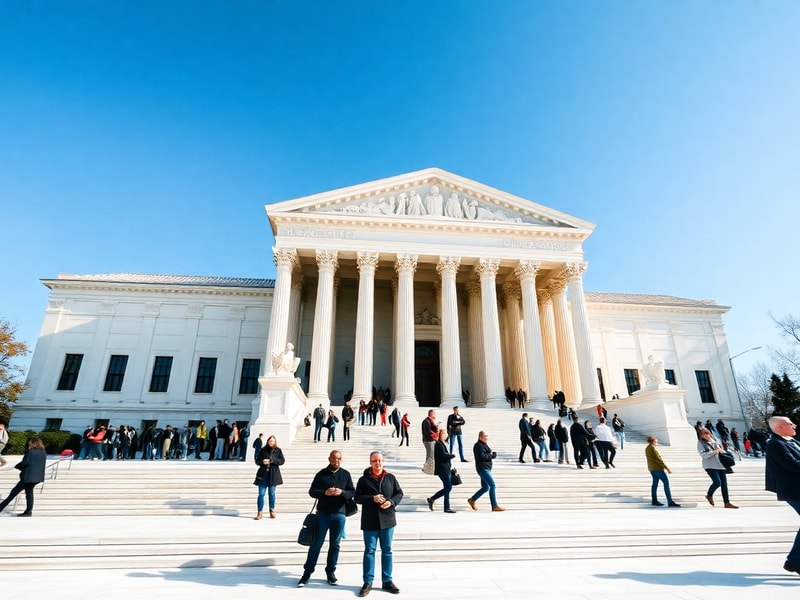
The Supreme Court of the United States stands as the highest court in the federal judiciary system, tasked with interpreting the Constitution and resolving disputes that shape the nation’s legal landscape. Established by Article III of the Constitution in 1789, the Court has evolved from a six-justice body to its current nine-member composition. Its rulings often set precedents that influence laws, civil rights, and governance across the country. With lifetime appointments for justices, the Court’s decisions carry weight that extends far beyond individual cases, impacting generations of Americans.
The Court’s Structure and Appointment Process
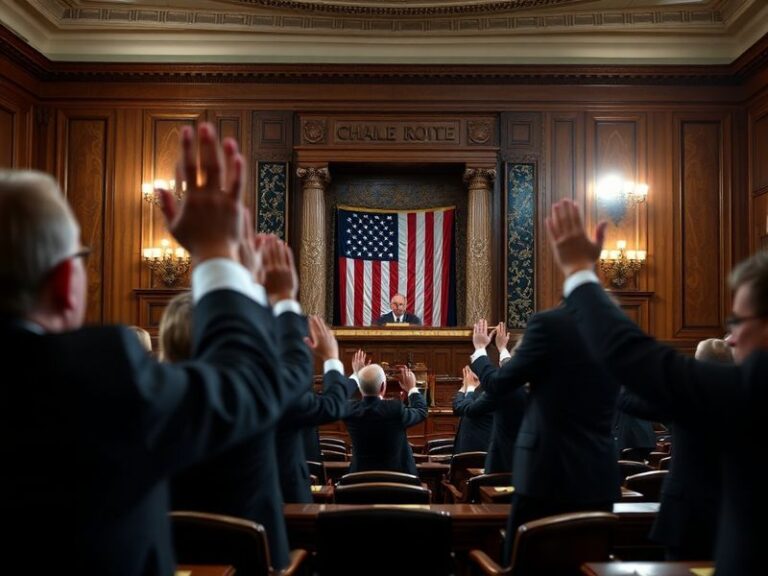
The Supreme Court consists of one chief justice and eight associate justices, all nominated by the president and confirmed by the Senate. This structure ensures a balance of power among the three branches of government, though the process itself has become increasingly contentious. Historically, confirmation hearings were more routine, but in recent decades, they have transformed into high-stakes political battles. The Senate Judiciary Committee plays a pivotal role, grilling nominees on their judicial philosophies, past rulings, and potential biases.
Recent nominations have highlighted the Court’s partisan divisions. For example, Justice Brett Kavanaugh’s confirmation in 2018 was marked by allegations of sexual misconduct and a deeply polarized Senate vote. Similarly, Justice Amy Coney Barrett’s appointment in 2020, just weeks before the presidential election, sparked debates over the timing and legitimacy of her confirmation. These controversies underscore how the Court’s composition reflects broader societal and political tensions.
Key Responsibilities of the Justices
The justices’ primary duties include:
- Reviewing appeals: The Court selects a small fraction of cases submitted each year, often those involving constitutional questions or conflicting interpretations of federal law.
- Interpreting the Constitution: Landmark decisions, such as Brown v. Board of Education (1954) or Roe v. Wade (1973), have redefined civil rights and individual liberties.
- Resolving disputes between states: The Court acts as a neutral arbiter in conflicts between states, such as water rights or boundary disputes.
- Upholding or striking down laws: The Court can invalidate federal or state laws that violate the Constitution, as seen in cases like United States v. Nixon (1974), which limited executive privilege.
The Court’s Influence on American Society
The Supreme Court’s rulings have left indelible marks on American life, from civil rights to healthcare. The 1954 decision in Brown v. Board of Education declared racial segregation in public schools unconstitutional, dismantling the “separate but equal” doctrine established by Plessy v. Ferguson (1896). This ruling was a catalyst for the Civil Rights Movement, demonstrating the Court’s power to drive social change. Similarly, the 1973 case Roe v. Wade legalized abortion nationwide, sparking decades of debate over reproductive rights and states’ authority.
In more recent years, the Court has weighed in on issues like LGBTQ+ rights, gun control, and environmental regulations. The 2020 decision in Bostock v. Clayton County extended workplace protections to LGBTQ+ employees, interpreting Title VII of the Civil Rights Act to include discrimination based on sexual orientation or gender identity. Meanwhile, cases like District of Columbia v. Heller (2008) and New York State Rifle & Pistol Association v. Bruen (2022) have reshaped Second Amendment interpretations, influencing gun laws across the country.
Controversial Rulings and Public Perception
Despite its lofty status, the Court has faced criticism for perceived overreach and lack of accountability. A 2023 Gallup poll revealed that only 40% of Americans approve of the Court’s performance, the lowest rating in decades. Critics argue that the justices, insulated by lifetime appointments, are out of touch with modern values. High-profile rulings, such as overturning Roe v. Wade in Dobbs v. Jackson Women’s Health Organization (2022), have intensified these concerns, with many questioning whether the Court is increasingly driven by ideological agendas rather than legal precedent.
Ethics scandals have further eroded public trust. Reports in 2023 revealed that Justice Clarence Thomas had failed to disclose luxury trips funded by billionaire Harlan Crow, raising questions about potential conflicts of interest. Similarly, Justice Samuel Alito faced backlash for flying flags associated with the “Stop the Steal” movement outside his home, fueling perceptions of bias. These incidents have led to calls for term limits or mandatory ethics reviews for justices, though such reforms face significant constitutional and political hurdles.
The Court’s Role in Modern Political Battles
The Supreme Court has become a focal point in America’s cultural and political wars, with presidents and senators openly prioritizing judicial nominees who align with their ideological agendas. This trend has intensified since the 1980s, when Presidents Reagan and Bush appointed conservative justices to counterbalance the liberal-leaning Court of the Warren and Burger eras. Today, the Court’s conservative supermajority—with six Republican-appointed justices—has reshaped its jurisprudence on issues like affirmative action, voting rights, and religious liberty.
The Court’s 2023 term exemplified this shift. In Students for Fair Admissions v. Harvard, the Court struck down race-conscious affirmative action programs, ruling that they violated the Equal Protection Clause. The decision dismantled decades of precedent and ignited debates over meritocracy and systemic discrimination. Similarly, the Court’s 2022 decision in Kennedy v. Bremerton School District expanded religious freedoms for public employees, allowing a football coach to pray on the field after games. These rulings reflect a broader trend toward privileging individual rights over collective societal goals.
Judicial Philosophy: Originalism vs. Living Constitution
The Court’s ideological divide often centers on competing judicial philosophies:
- Originalism: Advocated by justices like Thomas and Alito, originalism posits that the Constitution should be interpreted according to its original public meaning at the time of ratification. Critics argue this approach can ignore modern societal progress, particularly on issues like privacy and equality.
- Living Constitution: Justices like Elena Kagan and Sonia Sotomayor embrace the idea that the Constitution is a dynamic document that evolves with societal changes. This approach allows for broader interpretations of rights, such as those in Obergefell v. Hodges (2015), which legalized same-sex marriage.
- Textualism: Championed by Justice Neil Gorsuch, textualism focuses on the plain meaning of legal texts, avoiding judicial creativity. This approach was central to the Court’s 2020 decision in Bostock v. Clayton County, where it ruled that discrimination based on sexual orientation or gender identity was prohibited under Title VII.
The tension between these philosophies has led to unpredictable rulings, where outcomes often hinge on the justices’ individual interpretations rather than strict adherence to precedent. This unpredictability has fueled calls for reform, including proposals to expand the Court or impose term limits to dilute the impact of any single president’s appointments.
Challenges and Future of the Supreme Court
The Supreme Court faces mounting challenges, from ethical lapses to declining public confidence. The Court’s reliance on an opaque docket selection process—where justices decide which cases to hear without clear criteria—has drawn criticism for lacking transparency. Additionally, the Court’s refusal to adopt a formal code of ethics has left it vulnerable to accusations of hypocrisy, particularly as lower-court judges are held to stricter ethical standards.
Reform proposals abound, but many face steep constitutional or political obstacles. Expanding the Court, a tactic known as “court-packing,” was last seriously considered by President Franklin D. Roosevelt in the 1930s but abandoned after backlash. Today, progressive lawmakers like Senator Ed Markey have reintroduced the idea, arguing that adding four justices could restore balance. Others advocate for term limits, such as 18-year non-renewable terms, to depoliticize the nomination process and reduce the stakes of each appointment.
Despite these challenges, the Supreme Court remains a cornerstone of American democracy. Its rulings continue to shape the nation’s trajectory, from protecting voting rights to defining the boundaries of free speech. As the Court grapples with issues like artificial intelligence, climate change, and election integrity, its decisions will resonate for decades. The question now is whether the Court can adapt to modern expectations of transparency and accountability—or if it will remain a battleground for America’s deepest divisions.
For those interested in exploring how the Court’s rulings intersect with broader legal trends, visit our Analysis section. To dive deeper into the history of landmark cases, check out our Education archives, where we break down legal precedents and their societal impacts.