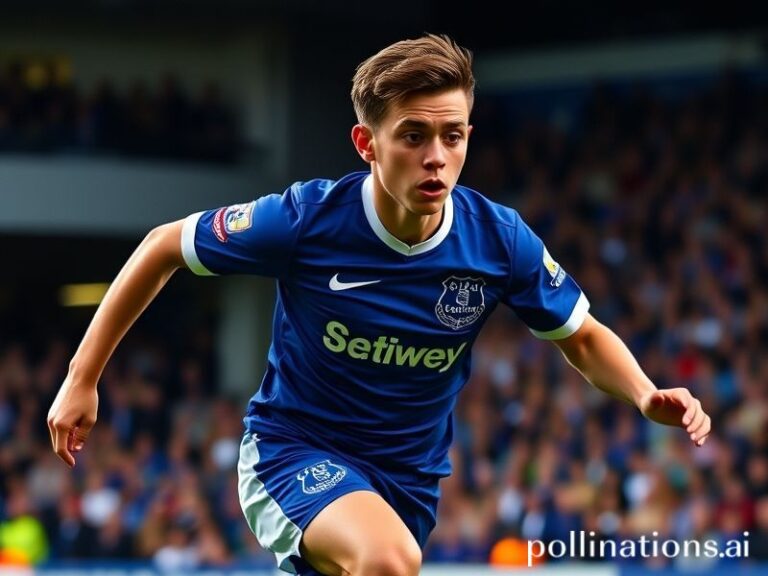
Morocco vs Canada: Tactical Clash and Rising Ambitions
The matchup between Morocco and Canada isn’t just a clash of national teams on the field—it’s a collision of styles, histories, and ambitions. When these two sides meet, the contrast becomes immediately clear. Morocco brings a physical, disciplined approach with North African flair, while Canada relies on speed, creativity, and a multicultural roster forged in MLS academies and European leagues. The stakes feel higher than a friendly, especially as both nations push for deeper World Cup contention.
The Tactical Divide: Structure Meets Fluidity
Morocco’s style under coach Walid Regragui is built on a defensive foundation. The Atlas Lions defend in compact blocks, pressing only after structured triggers. Fullbacks play high but track back quickly, allowing wingers like Amine Adli to drift inside and link with midfield runners such as Azzedine Ounahi. The backline remains disciplined, often forming a back three in possession to bypass midfield pressure. This system has been effective in Africa, where opponents struggle to break through quick transitions.
Canada, coached by John Herdman, plays a more fluid, possession-based game. The Canadians like to dominate territory, using short passing and positional rotation to stretch opponents. Alphonso Davies acts as a false winger on the left, cutting inside to link with midfielders like Stephen Eustaquio. Jonathan David plays as a lone striker but drops deep to combine, making Canada’s attack unpredictable. The fullbacks push aggressively, turning defense into attack in seconds. This style reflects the team’s MLS roots, where players are trained to read the game in tight spaces.
The contrast is stark. Morocco wants to absorb pressure and strike on the break. Canada wants to suffocate opponents with controlled possession. When these philosophies collide, the game often hinges on which team can impose its rhythm first.
Key Battles That Could Decide the Game
A handful of individual matchups could shape the outcome. On the right flank, Morocco’s Sofiane Boufal will face Canada’s Richie Zakaria. Boufal’s dribbling and crossing could exploit Zakaria’s tendency to overcommit, while Zakaria’s recovery speed may frustrate Boufal’s attempts to penetrate. In midfield, Ounahi’s ability to receive under pressure will be tested by Eustaquio, who excels in breaking lines with his passing range. The duel between Morocco’s center-backs—most likely Jawad El Yamiq and Romain Saïss—and Canada’s dual strikers, David and Cyle Larin, could define the game’s tempo. Both Moroccan defenders are physical and aerial threats, but Larin’s hold-up play and David’s movement could force mistakes.
Up top, Morocco’s Sofiane En-Nesyri brings a different kind of threat. Standing at 6’2”, he wins headers and holds up play, giving Morocco an outlet against Canada’s high line. En-Nesyri’s strength will be crucial if Canada tries to press aggressively. Meanwhile, Davies’ pace on the counter could destabilize Morocco’s backline, especially if the Atlas Lions are pinned deep.
Set pieces could also play a deciding role. Morocco has scored multiple goals from dead-ball situations in recent years, often through El Yamiq or Hakim Ziyech’s delivery. Canada, though less prolific in this area, has shown improvement under Herdman, with players like Atiba Hutchinson and Sam Adekugbe adding aerial presence.
Historical Context and Motivation
Morocco and Canada have met only a handful of times, with the most recent encounter ending in a 2-0 Moroccan victory in a 2022 friendly. But history matters less than the future these teams are building. For Morocco, every game is a step toward proving it belongs among the world’s elite. The Atlas Lions reached the 2022 World Cup semifinals, a feat no African nation had achieved before. Now, with a new generation led by players like Bilal El Khannouss and Bilal Majjdoub, Morocco is aiming to go even further in the 2026 World Cup qualifiers.
Canada, meanwhile, is riding a wave of momentum. The Canadians secured their first-ever World Cup berth in 2022, reaching the group stage in Qatar. Though they finished last in their group, the experience galvanized the squad. Now, with a deeper roster featuring players from Bayern Munich, LAFC, and PSV Eindhoven, Canada is aiming to qualify directly for 2026 as one of CONCACAF’s top three teams. A win over Morocco would send a statement that Canada is no longer an underdog but a legitimate contender.
The stakes are personal, too. For Moroccan players, many of whom were born and raised in Europe, this match is a chance to reconnect with their roots. For Canadian players, most of whom have multicultural backgrounds, it’s a chance to represent a nation that’s increasingly diverse and ambitious on the global stage.
What Fans Can Expect Beyond the Score
Beyond the result, this matchup offers a cultural exchange. Moroccan fans in the stands will bring drums, chants in Darija, and the scent of grilled lamb and mint tea. Canadian supporters will likely be a mix of multicultural communities, from Vancouver’s large Moroccan diaspora to fans of Davies and David who follow them across leagues. The atmosphere is expected to be electric, with both sets of fans celebrating the game as a celebration of identity and sport.
For neutrals, the game is a chance to see two distinct footballing identities clash. Morocco represents the tactical sophistication of North African football, where structure meets creativity. Canada embodies the modern, multicultural approach to the game, where players from different backgrounds blend seamlessly into a cohesive unit. The contrast isn’t just tactical—it’s philosophical.
Expect a game of two halves. Morocco will likely start cautiously, absorbing pressure before launching quick counters. Canada will push for possession, trying to wear down Morocco’s defense with quick passing and movement. The team that adapts first will likely control the game’s tempo. If Morocco can limit Davies’ space, they’ll have a strong chance to win. If Canada can break through Morocco’s midfield, they’ll dominate.
No matter the outcome, this matchup is more than just a game. It’s a reflection of how football is evolving globally, where tradition meets innovation, and where every match is a step toward the next generation of stars.
For fans looking to dive deeper into either team’s journey, check out our Sports and Analysis sections for ongoing coverage, tactical breakdowns, and player profiles.