Ivory Coast vs Norway: Football Philosophies Collide in Oslo Clash
When Ivory Coast and Norway face off in international football, the contrast between the two nations extends far beyond the pitch. One team arrives from a West African powerhouse steeped in raw talent and flair, while the other comes from a Nordic nation where tactical discipline and consistency define their identity. Their next meeting—scheduled for November 18, 2024, in Oslo—isn’t just a friendly; it’s a collision of football philosophies, cultural narratives, and geopolitical undercurrents that reveal much about modern global football.
The Footballing Philosophies: Flair Meets Structure
Ivory Coast, often called “Les Éléphants,” has long been a breeding ground for athletic brilliance. Players like Didier Drogba and Yaya Touré didn’t just score goals—they embodied a style of football that blends creativity, speed, and improvisation. The Ivorian national team is built on individual brilliance, a tradition that continues today with stars like Sébastien Haller and Franck Kessié. Their approach is unpredictable, emotionally charged, and rooted in a culture that celebrates joy and spontaneity on the field.
Norway, by contrast, represents a different footballing ethos. Known for their disciplined, organized, and collective style, the Norwegian national team thrives on structure, pressing, and tactical cohesion. Players often come through academies that emphasize development over raw flair, and the result is a team that’s steady, resilient, and hard to break down. While Norway may lack the same level of individual superstars as Ivory Coast, their consistency in qualifying for major tournaments speaks to a system that values process over spectacle.
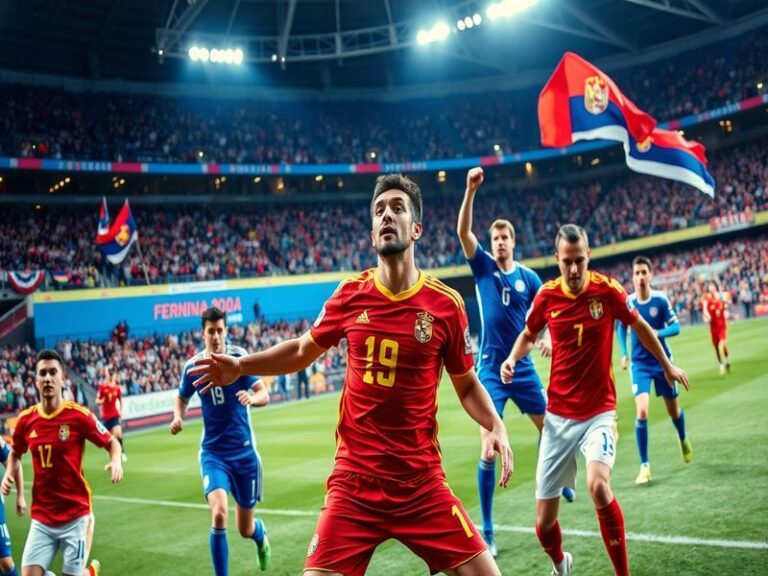
This clash of styles isn’t just tactical—it’s philosophical. Ivory Coast plays with the heart; Norway plays with the mind. One team dances, the other calculates. And when they meet, football fans get a masterclass in contrast: the poetry of West Africa versus the precision of Scandinavia.
Why This Match Matters Beyond the Scoreboard
The November 2024 fixture isn’t just a warm-up game. It’s a strategic test for both teams ahead of the 2026 FIFA World Cup qualifiers. Ivory Coast, ranked 49th in the FIFA World Rankings, is under pressure to secure results that keep them on track for continental glory. A loss or draw could jeopardize their top spot in Africa Group H, where they’re currently battling Cape Verde and Kenya.
For Norway, ranked 38th, the stakes are different. Though they’ve qualified for the last two European Championships, they’re still chasing a World Cup berth after missing out on Qatar 2022. A strong performance against Ivory Coast could boost morale and signal progress under coach Ståle Solbakken, who has emphasized a more dynamic, possession-based approach.
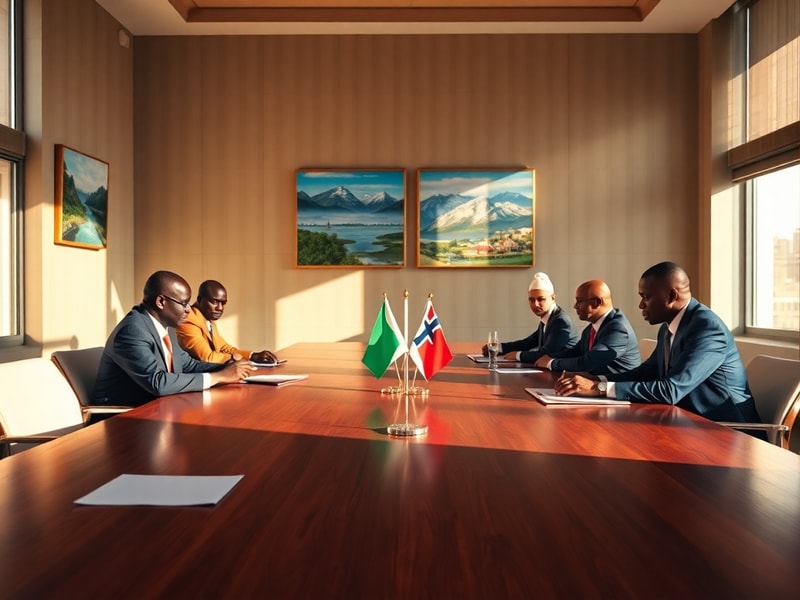
There’s also the narrative of football as a global equalizer. Ivory Coast has long used the sport to transcend its economic and political challenges, while Norway leverages football as a tool for social cohesion and youth development. When these teams play, they’re not just representing countries—they’re showcasing how football can shape national identity in vastly different contexts.
Key Factors That Could Decide the Game
Several elements will determine which philosophy prevails on the day:
- Midfield control: Ivory Coast’s midfield, led by players like Jean Michaël Seri or Boubacar Kamara, will need to dominate possession and dictate tempo. But Norway’s midfield trio—perhaps featuring Martin Ødegaard and Sander Berge—will look to press high and cut off passing lanes.
- Defensive organization: Norway’s backline, anchored by defenders like Kristoffer Ajer and Andreas Hanche-Olsen, is compact and difficult to break down. Ivory Coast, meanwhile, often relies on individual defensive lapses that opponents exploit.
- Set-piece threat: Both teams are dangerous from dead-ball situations. Ivory Coast’s aerial presence—especially with players like Willy Boly or Nicolas Nkunku—could pose a constant danger. Norway, meanwhile, has multiple threats from corners and free kicks, with players like Erling Haaland (if selected) a constant aerial threat.
- Momentum: Ivory Coast comes into the match on a high after a strong AFCON 2023 campaign, where they reached the semifinals. Norway, fresh off a Nations League campaign, will be looking to prove they can challenge elite teams outside Europe.
Broader Implications: Football, Identity, and Global Influence
The Ivory Coast vs. Norway matchup reflects deeper trends in international football. Africa is increasingly becoming a powerhouse of talent, with nations like Morocco and Senegal making deep runs in recent World Cups. Meanwhile, smaller European nations like Norway are redefining what it means to compete globally—not by signing superstars, but by building systems that develop talent and play with purpose.
There’s also a cultural dimension. Football in Ivory Coast is more than a sport—it’s a unifying force in a country that has faced political instability and economic challenges. The national team’s success is often tied to national pride and hope. In Norway, football is integrated into a welfare model that prioritizes accessibility, gender equality, and long-term development. When these two teams play, they’re not just competing—they’re representing two different models of how football can shape society.
This match also highlights the growing influence of African players in European football. Many Ivorian talents play in top leagues across Europe, while Norway has a strong pipeline feeding into clubs like Brentford and Manchester United. The global football economy thrives on this exchange, creating a web of connections that bind nations together through the beautiful game.
What Fans Can Expect
Expect a game rich in contrast. Early on, Ivory Coast may dictate play, pushing high and looking to overwhelm Norway with individual brilliance. But Norway’s discipline will likely frustrate them, forcing the Africans into long-range shots or set-piece situations. As the game progresses, Norway could grow into it, using possession and quick transitions to create chances.
If Ivory Coast scores first, Norway will push forward in search of an equalizer, potentially leaving gaps that could be exploited on the counter. But if Norway dominates midfield battles, they could suffocate Ivory Coast’s creativity and grind out a result.
Regardless of the outcome, this match is a reminder that football is more than just goals and trophies. It’s a mirror reflecting the values, struggles, and aspirations of nations. Ivory Coast plays with fire; Norway plays with ice. The result will tell us which approach resonates more in today’s global game.
One thing is certain: when these two teams step onto the pitch in Oslo, football fans worldwide will be watching—not just to see who wins, but to understand what their victory (or defeat) says about the future of the beautiful game.
For more analysis on international football dynamics, visit our Sports section. To dive deeper into African football’s rising influence, check out Culture.