EuroLeague Basketball: Europe’s Elite Clubs and Global Impact
“`html
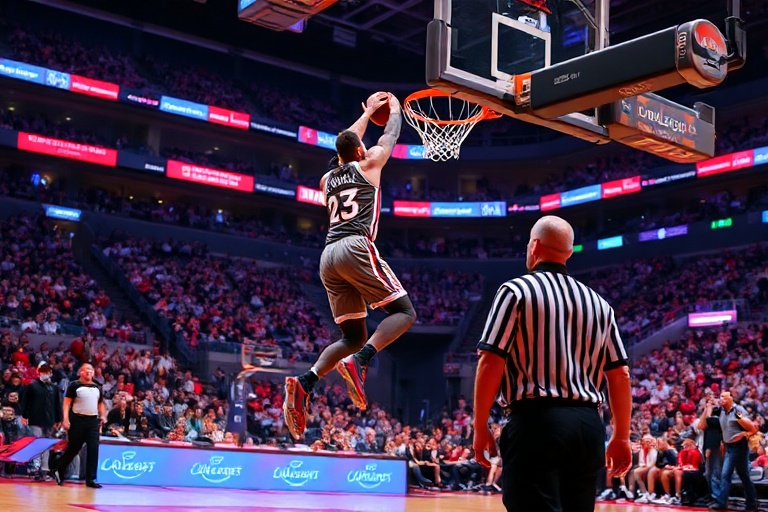
What Is the EuroLeague? The Premier Basketball Competition in Europe
The EuroLeague stands as the pinnacle of professional basketball in Europe, uniting top clubs from across the continent in a high-stakes tournament that blends elite athleticism, strategic depth, and cultural significance. Founded in 1958 as the FIBA European Champions Cup, it rebranded in 2000 under EuroLeague Basketball to become the continent’s most prestigious club competition—rivaling even the NBA in global prestige.
Unlike domestic leagues, where teams play primarily for national titles, the EuroLeague crowns Europe’s best club team. It is a platform where legends are made, rivalries are forged, and basketball culture transcends borders. With clubs from Spain, Greece, Turkey, Israel, Germany, France, Italy, and beyond, the EuroLeague is a true pan-European spectacle, drawing millions of fans and showcasing the sport’s diversity and evolution.
The Global Reach of the EuroLeague: Beyond European Courts
The EuroLeague’s influence extends far beyond the continent. Its games are broadcast in over 200 countries, reaching audiences in North America, Asia, Africa, and the Middle East. This international footprint has helped popularize basketball in regions where football (soccer) traditionally dominates. For example, in Turkey and Israel, EuroLeague basketball often draws larger television audiences than domestic football matches during key fixtures.
The competition also serves as a proving ground for European players destined for the NBA. Stars like Luka Dončić, Nikola Mirotić, and Bogdan Bogdanović rose to global fame through their performances in the EuroLeague before making the leap to the NBA. This pipeline strengthens the league’s reputation as a talent incubator and reinforces its role in the global basketball ecosystem.
Moreover, the EuroLeague has embraced digital innovation. Through partnerships with platforms like YouTube, Twitch, and its own EuroLeague Overtime streaming service, the league has made games accessible to younger, tech-savvy fans worldwide. This digital-first approach has helped it remain relevant in an era dominated by short-form content and mobile viewing.
How the EuroLeague Works: Structure and Format
The EuroLeague operates under a franchise-based model, with 18 teams granted long-term licenses—a system that ensures stability and high-quality competition. These teams include powerhouses like Real Madrid, FC Barcelona, CSKA Moscow, Anadolu Efes, and Olympiacos, each boasting rich histories and passionate fan bases.
The regular season features 34 rounds, with each team playing every other team twice—once at home and once away. The top eight teams advance to the playoffs, which follow a best-of-five format. The final four teams convene for the EuroLeague Final Four, a single-elimination tournament that crowns the champion in a weekend spectacle that rivals the Super Bowl in intensity.
The league’s competitive balance has improved significantly in recent years. Gone are the days when a handful of clubs dominated annually. Today, clubs like Virtus Bologna, LDLC ASVEL, and ALBA Berlin have disrupted the traditional hierarchy, bringing fresh energy and unpredictability to the competition.
Cultural Impact: How the EuroLeague Shapes European Identity
The EuroLeague is more than a sports tournament—it is a cultural bridge. In cities like Athens, Istanbul, and Madrid, EuroLeague nights are communal events. Fans gather in public squares, bars, and fan zones to watch games on giant screens, creating an atmosphere reminiscent of European football derbies. The league’s anthem, played before each game, has become a recognizable symbol of European basketball pride.
Clubs often reflect their cities’ identities. For instance, Real Madrid embodies Spanish flair and ambition, while Maccabi Tel Aviv represents the resilience and pride of Israeli sports culture. These clubs carry legacies that extend beyond basketball—they are institutions that shape local pride and global perception.
The EuroLeague also fosters intercultural exchange. Players from the U.S., Africa, Australia, and Asia join European teammates, creating teams that are microcosms of global diversity. This multicultural dynamic is reflected in the fan base, which includes expatriates, diaspora communities, and basketball enthusiasts from all backgrounds.
In countries where basketball struggles for attention, the EuroLeague provides a platform for growth. For example, in Germany and France, increased exposure through the league has led to a surge in youth participation and national team success. Germany’s triumph at the 2023 FIBA World Cup was partly fueled by the development of players who honed their skills in the EuroLeague.
The Future of the EuroLeague: Innovation and Expansion
The EuroLeague continues to evolve. In 2023, it announced plans to expand its footprint with a new midweek competition—the EuroLeague Basketball Next Generation Tournament—for under-20 players. This initiative aims to nurture young talent and ensure the league’s long-term sustainability.
There are also discussions about increasing the number of teams or introducing a more regionalized format to reduce travel fatigue. Sustainability is another focus, with efforts to reduce carbon footprints by optimizing travel routes and promoting eco-friendly venues.
Technology will play a bigger role. The league has already implemented real-time analytics and player tracking systems, similar to those used in the NBA. These tools enhance coaching decisions, fan engagement, and broadcast storytelling, making the game more accessible and interactive.
As basketball’s global popularity grows, the EuroLeague is positioning itself as a key driver of the sport’s internationalization. With strategic partnerships across Asia and Africa, it is laying the groundwork to become a truly global league—not just the best in Europe, but a model for club competitions worldwide.
A Final Look at Why the EuroLeague Matters
The EuroLeague is a testament to basketball’s unifying power. It brings together cities, cultures, and continents under the banner of sport. In an era where global events often divide, the EuroLeague reminds us that excellence, passion, and community can transcend borders.
For fans, it offers drama, artistry, and moments of pure magic. For players, it is a stage to prove their worth on the world’s biggest platform. And for the sport itself, it is a vital engine of growth and innovation.
As the EuroLeague looks ahead, one thing is clear: it is not just a league. It is a celebration of basketball in its purest, most global form.
Want to dive deeper into European basketball? Visit our Sports section for more coverage of leagues, teams, and rising stars across the continent.