State Fairs: A Global Tradition of Food, Fun, and Community
State fairs trace their roots to agricultural exhibitions that began in Europe during the 18th century. These early gatherings served practical purposes: farmers displayed livestock, competed for prizes, and exchanged techniques to improve crop yields. By the 19th century, the tradition crossed the Atlantic, with the first American state fair held in New York in 1841. These events evolved into more than agricultural showcases. They became community celebrations that blended rural traditions with entertainment, commerce, and cultural exchange.
The concept spread quickly across the United States. By 1850, nearly every state had established its own fair, often timed to coincide with harvest seasons. These fairs became vital social hubs where families traveled together, urban dwellers experienced rural life, and cultural values were reinforced. State fairs also played economic roles, supporting local farmers and artisans while fostering regional pride. The tradition soon inspired similar events worldwide, from Canada’s agricultural exhibitions to Japan’s regional festivals that celebrate local produce and crafts.
What Makes State Fairs Unique
State fairs are defined by their fusion of tradition and spectacle. Unlike county fairs, which focus on a single community, state fairs attract participants and visitors from across entire regions. They feature livestock competitions where prize-winning animals—cattle, pigs, poultry, and horses—are judged on health, breeding, and conformation. These competitions are not just about agriculture; they reflect centuries of selective breeding practices and genetic expertise.
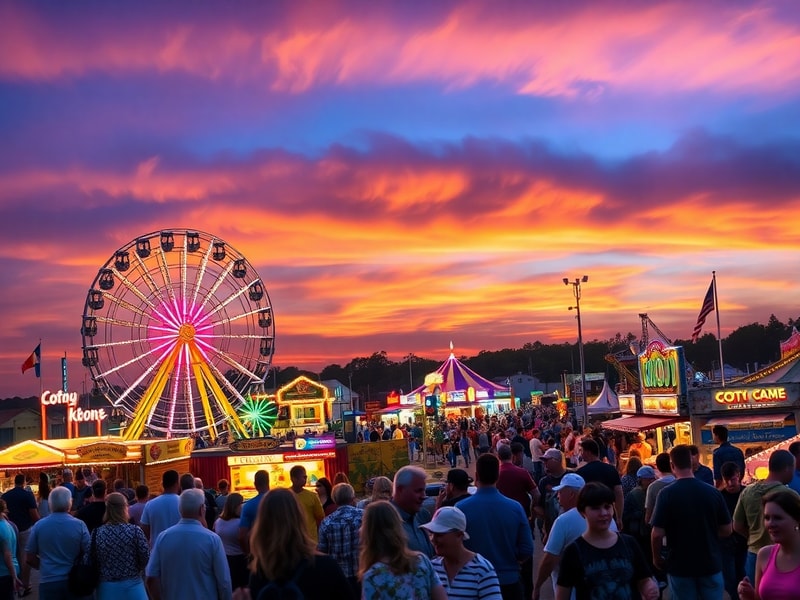
Food is another hallmark. State fairs are famous for culinary innovation, where deep-fried Oreos and butter-soaked corn dogs sit beside more traditional dishes like apple pie and roast beef sandwiches. The fairgrounds become temporary food laboratories, testing new ways to indulge public appetite. This gastronomic creativity reflects broader cultural trends, including the growing influence of social media on food presentation and consumption.
The entertainment at state fairs is equally eclectic. From bluegrass bands and polka dancers to high-wire circus acts and demolition derbies, the programming spans generations and tastes. Rides range from vintage Ferris wheels to high-tech roller coasters, mirroring the fair’s blend of nostalgia and modernity. These elements create a distinct atmosphere—one that feels both timeless and constantly evolving.
A Global Perspective: Fairs Beyond Borders
While the American state fair is iconic, similar traditions exist worldwide, each adapted to local culture and history. In Germany, the Oktoberfest in Munich blends beer culture with agricultural heritage, drawing over six million visitors annually. Though primarily a beer festival, it originated as a celebration of the royal wedding in 1810 and included horse races and agricultural displays.
In Japan, the Aoi Matsuri in Kyoto features processions of oxcarts and traditional costumes, celebrating both Shinto rituals and local agriculture. The Hokkaido Fair, held in Sapporo, highlights the island’s dairy and seafood industries, combining trade shows with folk performances. These events serve as cultural bridges, preserving rural practices while adapting to urban lifestyles.
In India, the Pushkar Fair in Rajasthan is one of the world’s largest livestock fairs, attracting over 200,000 camels, goats, and cattle. Yet it also functions as a spiritual gathering, with pilgrims bathing in the sacred Pushkar Lake. The fair includes camel races, folk music, and handicraft markets, illustrating how commerce, culture, and spirituality intertwine.
Across Scandinavia, agricultural societies host midsummer festivals that combine flower crowns, maypole dances, and farm competitions. These events emphasize seasonal rhythms and community cooperation, values deeply tied to the land. Whether in Iowa or Iceland, state fairs and their international counterparts reflect a universal human impulse: to gather, celebrate, and affirm identity through shared experience.
The Modern State Fair: Challenges and Reinvention
Today’s state fairs face both opportunities and challenges. Rising operational costs, competition from entertainment alternatives, and changing public interests threaten attendance and relevance. Yet many fairs have responded by modernizing their offerings. Virtual livestock auctions, drone shows, and sustainability exhibits now complement traditional attractions. Some fairs have introduced “agri-tourism” programs, inviting urban visitors to stay on working farms before or after the event.
Sustainability has become a priority. Many fairs now emphasize eco-friendly practices, such as composting food waste, using biodegradable serveware, and promoting local sourcing. The Minnesota State Fair, for example, powers rides with solar energy and partners with local farmers to reduce its carbon footprint. These efforts not only improve public perception but also align with broader environmental movements.
Technology plays an increasing role. Mobile apps now provide real-time schedules, interactive maps, and cashless payment systems, enhancing visitor convenience. Social media amplifies the fair experience, with attendees sharing deep-fried creations and prize-winning animals online. Some fairs have even launched virtual reality previews, allowing people to explore the grounds before stepping through the gates.
Still, the core appeal remains unchanged. State fairs offer a rare space where people of all ages and backgrounds can connect with food, animals, and each other. They remind us of the land’s bounty and the hands that cultivate it. In an era of digital isolation, these gatherings provide a tactile, communal experience—one that feels increasingly precious.
The future of state fairs may lie in balancing innovation with tradition. As they adapt to new expectations, they must remain grounded in their original purpose: to celebrate the land, the labor, and the community that sustains us. Whether through a butter sculpture contest or a solar-powered Ferris wheel, the spirit of the fair endures—not as a relic, but as a living tradition.
Highlights of the Modern State Fair Experience
- Livestock competitions showcasing prize-winning animals and breeding excellence
- Culinary innovation, from deep-fried delicacies to farm-to-table demonstrations
- Entertainment ranging from bluegrass music to high-tech rides and circus acts
- Eco-friendly initiatives such as composting, local sourcing, and renewable energy
- Digital integration including mobile apps, cashless payments, and social media engagement
State fairs are more than seasonal events—they are cultural institutions that evolve with society while preserving core values. They remind us where our food comes from, who grows it, and why community matters. In an age of global connectivity, these fairs offer something rare: a place to slow down, look around, and celebrate together.