How Extra Time Works in the World Cup
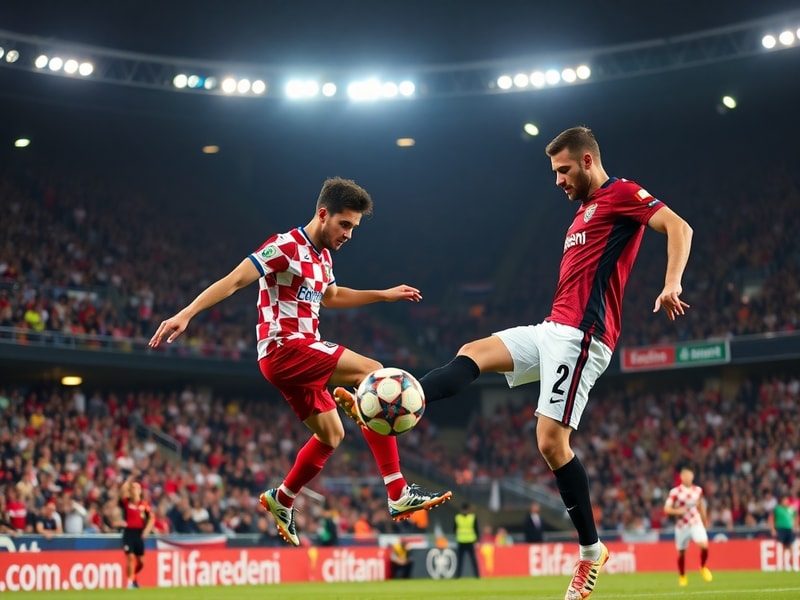
When a World Cup match ends in a draw after 90 minutes, the teams don’t simply settle for a tie. Instead, they enter a high-stakes period known as extra time, a 30-minute extension divided into two 15-minute halves. The rules are straightforward, but the pressure is immense. Teams must balance aggression with caution, knowing that a single mistake could cost them the game. This format has produced some of the most dramatic moments in football history, from last-minute winners to penalty shootout heartbreak.
Extra time isn’t just an add-on; it’s a test of endurance, tactics, and mental resilience. Players who’ve already played 90 minutes must push through fatigue while maintaining sharp decision-making. Coaches face tough choices, such as whether to make substitutions early to freshen up the squad or save them for the potential penalty shootout. The stakes are always high, but the rewards—advancing to the next round—are worth the risk.
Sudden Death and Golden Goal Rules
For decades, extra time followed a traditional format with no predetermined break unless a team scored. This meant teams played the full 30 minutes regardless of goals, creating grueling conditions. However, the rules evolved in 1998 when FIFA introduced the “golden goal” concept, allowing a match to end immediately if a team scored during extra time. This sudden-death rule added instant drama, as teams pushed for a winner rather than settling for extra minutes.
The golden goal era lasted until 2004, when FIFA reverted to the full 30 minutes of extra time without sudden death. The change aimed to reduce unfair advantages and give both teams equal opportunities to score. Today, extra time is played in full, with any tie after 120 minutes leading to a penalty shootout. While the golden goal is no longer in use, its legacy lives on in the form of high-tempo, high-pressure extra time battles.
Tactical Adjustments in Extra Time
Coaches must rethink their strategies when extra time begins. Fatigue becomes a major factor, so substitutions often play a crucial role. A fresh player can inject energy into an attack or shore up a shaky defense. Teams that are leading may opt for a more defensive approach, while those trailing often push for an equalizer, sometimes at the cost of defensive stability.
One common tactic is the “double substitution” rule, introduced in 2018, which allows teams to make a sixth and seventh substitution during extra time. This rule was designed to reduce player exhaustion and lower the risk of injuries. Teams like Belgium and France have used this to their advantage, bringing on fresh legs to exploit tired defenders in the dying moments.
The psychological aspect of extra time cannot be overstated. Players under immense pressure may take unnecessary risks or freeze in key moments. Teams that stay composed and stick to their game plan often fare better. The 2014 World Cup saw Germany outlast Algeria in extra time with a disciplined display, while Argentina’s aggressive pressing in 2014’s final against Germany nearly paid off before Mario Götze’s 113th-minute winner.
Notable Extra Time Moments in World Cup History
Some of the most iconic World Cup moments have unfolded in extra time. These matches aren’t just about winning; they’re about creating legends. From dramatic comebacks to heartbreaking collapses, extra time has defined World Cup history in ways that regular time never could.
Here are a few standout examples:
- 2006: Italy vs. Germany (Semi-Final) – Fabio Grosso’s 119th-minute goal sent Italy to the final in a match remembered for its intensity and tactical battles.
- 2014: Netherlands vs. Costa Rica (Quarter-Final) – The Dutch survived a late scare when Joel Campbell’s header in extra time was controversially ruled out for offside.
- 2018: France vs. Argentina (Round of 16) – Kylian Mbappé’s explosive pace and two goals in extra time helped France overcome a 2-1 deficit.
- 2022: England vs. Senegal (Round of 16) – Harry Kane’s 100th-minute winner, set up by Bukayo Saka, sent England through to the quarter-finals.
These moments highlight how extra time can flip a match on its head. A single goal can change everything, making it one of the most unpredictable phases of a World Cup game.
Why Extra Time Matters in Modern Football
Extra time isn’t just a formality; it’s a crucial part of football’s narrative. It separates the teams that can handle pressure from those that crumble. In an era where knockout matches are decided by the smallest margins, extra time amplifies the stakes. Even if a team doesn’t score, the psychological toll of 30 extra minutes can weaken their resolve for the inevitable penalty shootout.
Clubs and national teams invest heavily in players who can perform under extreme pressure. The ability to stay calm in extra time is often what separates champions from runners-up. Coaches analyze opponents’ extra time performances to exploit weaknesses, whether it’s a team’s vulnerability to counterattacks or their fatigue in the final minutes.
For fans, extra time is the ultimate test of entertainment. It’s where underdogs can rise and favorites can fall. The 2010 World Cup saw Ghana nearly eliminate Uruguay in extra time with a goal controversially disallowed, while Spain’s 2010 victory over the Netherlands featured a brutal extra time battle that set the tone for their triumph.
Preparing for Extra Time: A Team’s Approach
Teams that prepare meticulously for extra time often reap the rewards. Physical conditioning is key, as players must maintain high levels of performance beyond the standard 90 minutes. Training sessions often include simulated extra time scenarios to build mental toughness and tactical awareness.
Nutrition and recovery also play a critical role. Hydration, cooling strategies, and quick substitutions can make the difference between a team that’s exhausted and one that’s still dangerous. Some teams even study their opponents’ extra time tendencies, identifying patterns in how they defend or attack in those final 30 minutes.
The mental aspect is just as important. Sports psychologists work with players to manage stress and maintain focus. Visualization techniques, breathing exercises, and team bonding activities help players stay sharp when the pressure is at its peak. The best teams don’t just survive extra time—they thrive in it.
Looking Ahead: Will Extra Time Rules Ever Change?
As football evolves, so too might the rules of extra time. Some pundits have suggested reintroducing the golden goal to add even more drama, while others argue for shorter extra time periods to reduce player fatigue. FIFA continues to experiment with rule changes, but for now, the 30-minute format remains unchanged.
One potential innovation is the use of video assistant referees (VAR) in extra time. While VAR is already used in regular time, its role in extra time could become more prominent, especially in tight offside decisions or penalty appeals. This could add another layer of complexity to an already high-stakes period.
Another consideration is the physical toll on players. With club football demanding more from athletes, the risk of injuries during extra time is a growing concern. FIFA may explore ways to mitigate this, such as stricter substitution rules or even abbreviated extra time in certain competitions.
For now, extra time remains a defining feature of the World Cup. It’s where legends are made, and where dreams are shattered. Whether it’s a last-gasp winner or a penalty shootout heartbreak, extra time ensures that World Cup matches are never truly over until the final whistle blows.
For fans looking to dive deeper into the tactical nuances of World Cup football, check out our Analysis section for expert breakdowns of key matches and strategies.
And if you’re interested in the broader impact of football tactics on the game, our Sports category offers in-depth coverage of how modern football is evolving.