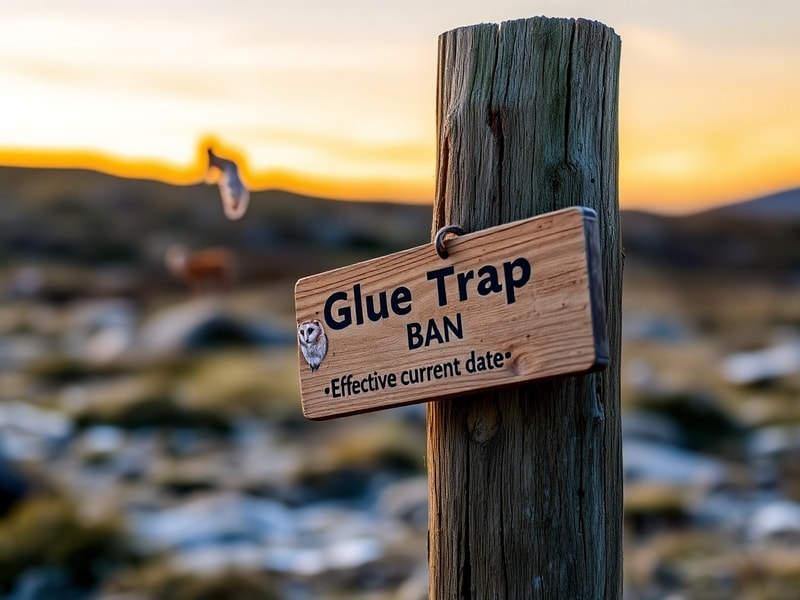
Scotland Bans Glue Traps: A Landmark Move for Animal Welfare
Scotland’s countryside just got safer for wildlife—and its farmers. On June 11, 2024, the Scottish Parliament passed legislation banning the use of glue traps across the country, making it the first UK nation to implement such a measure. The move follows years of campaigning by animal welfare groups and has drawn praise from conservationists and rural communities alike. But how did we get here, and what does this mean for Scotland’s ecosystems and agricultural practices?
From Controversy to Consensus: The Rise of the Glue Trap Ban
The journey toward this ban began with growing alarm over the suffering caused by glue traps. These devices, often used to catch rodents like rats and mice, consist of sticky boards that ensnare animals, leaving them to die slowly from exhaustion, dehydration, or exposure. Undercover investigations by animal welfare organizations revealed disturbing footage of trapped creatures struggling for hours, sometimes days, before succumbing. Public outrage intensified, with campaigns such as Scotland’s News highlighting the ethical concerns.
The Scottish SPCA, Scotland’s leading animal welfare charity, played a pivotal role in pushing for the ban. Its undercover operations exposed the widespread use of glue traps in both urban and rural settings, including farms and warehouses. The charity’s chief superintendent, Ewan Vernon, stated, “These traps are indiscriminate and cause immense suffering. The ban sends a clear message that cruelty has no place in modern pest control.” Surveys conducted by the organization found that 82% of Scots supported a ban, reflecting a broader shift in public attitudes toward animal welfare.
Critics of the ban argued that glue traps are a necessary tool for controlling rodent infestations, particularly in agricultural settings where diseases like Weil’s syndrome pose risks to livestock. However, proponents of the legislation countered that humane alternatives—such as live traps, electronic traps, and rodent-proofing measures—are equally effective and far less cruel. The Scottish government, in consultation with farmers and pest control experts, acknowledged these concerns but emphasized that the ban aligns with the country’s commitment to reducing animal suffering.
The Science Behind the Ban: Why Glue Traps Are More Than Just a Nuisance
Glue traps aren’t just ethically questionable; they also pose significant ecological risks. When non-target species, such as birds, bats, or even small mammals like shrews, become ensnared, the consequences can be devastating. In 2023, the Royal Society for the Protection of Birds (RSPB) reported multiple incidents of protected species being caught in glue traps, particularly in rural areas near farmland. These traps, often placed in barns or sheds, can inadvertently harm wildlife that plays a crucial role in maintaining balanced ecosystems.
Moreover, glue traps fail to address the root cause of rodent infestations. Unlike traditional snap traps or electronic deterrents, which can be reused and are more targeted, glue traps provide no long-term solution. According to a study published in the Journal of Pest Science, areas using glue traps experienced higher rates of recurring infestations compared to those employing integrated pest management (IPM) strategies. IPM combines physical barriers, sanitation, and targeted trapping to reduce rodent populations sustainably.
Agricultural experts also point out that glue traps can compromise food safety. In Scotland’s dairy and poultry industries, rodent infestations pose a risk of contaminating feed and spreading pathogens. However, the ban encourages farmers to adopt more proactive measures, such as sealing entry points and maintaining clean storage areas. The Scottish government has pledged to provide guidance and financial support to help farmers transition to humane alternatives.
Voices from the Field: Farmers and Pest Controllers React
The ban has sparked a mix of relief and concern among those directly affected. For small-scale farmers, the shift toward humane pest control is seen as a positive step, particularly for those already using sustainable practices. “We’ve been using electronic traps for years, and they’re just as effective as glue traps,” said Morven McLean, a livestock farmer from Aberdeenshire. “It’s about time Scotland took a stand against cruelty.” McLean’s farm has seen a 40% reduction in rodent activity since implementing IPM strategies.
However, not all voices in the agricultural sector are in favor. Some pest controllers argue that the ban could lead to increased infestations, particularly in high-risk areas like food processing plants. “Glue traps are a last-resort tool when other methods fail,” said John Smith, a pest control operator based in Glasgow. “Without them, we risk losing control of rodent populations, which could have serious health implications.” Smith’s concerns reflect a broader debate about balancing animal welfare with practical pest management.
To address these concerns, the Scottish government has committed to funding research into alternative pest control methods. The Scottish Agricultural Wages Board is also collaborating with farming unions to develop training programs on humane trapping techniques. Meanwhile, animal welfare organizations continue to advocate for stricter enforcement of the ban, ensuring that illegal use of glue traps is met with swift penalties.
What’s Next for Scotland’s Wildlife and Farmers?
The ban on glue traps marks a significant milestone in Scotland’s animal welfare legislation, but it’s only the beginning of a broader conversation about ethical pest control. Moving forward, the focus will likely shift to education and enforcement. Local councils and animal welfare groups are planning workshops to teach farmers and pest controllers about humane alternatives. These sessions will cover everything from the proper use of live traps to the installation of rodent-proofing materials.
For Scotland’s wildlife, the ban represents a lifeline. Protected species such as hedgehogs, which are already in decline due to habitat loss, will no longer face the threat of being caught in glue traps. Conservationists are optimistic that the ban will contribute to broader efforts to restore biodiversity in Scotland’s countryside. “This is a win not just for animals but for the entire ecosystem,” said Dr. Susan Wilson, a wildlife biologist at the University of Edinburgh. “When we reduce unnecessary suffering, we create healthier environments for all species.”
The agricultural sector, too, stands to benefit from this change. While the transition may pose challenges for some, the long-term advantages—such as improved public perception, reduced disease risks, and more sustainable farming practices—are undeniable. As Scotland continues to lead the UK in animal welfare reforms, other nations may soon follow its example. Countries like the Netherlands and Germany have already restricted the use of glue traps, and pressure is mounting for similar legislation in England and Wales.
The glue trap ban is more than a policy change; it’s a reflection of Scotland’s evolving values. By prioritizing compassion and sustainability, the country is setting a precedent for responsible pest control. Whether you’re a farmer, a conservationist, or simply someone who cares about animal welfare, this legislation offers a reason to celebrate. The road ahead may require adaptation, but the destination—a kinder, more sustainable future—is well worth the journey.