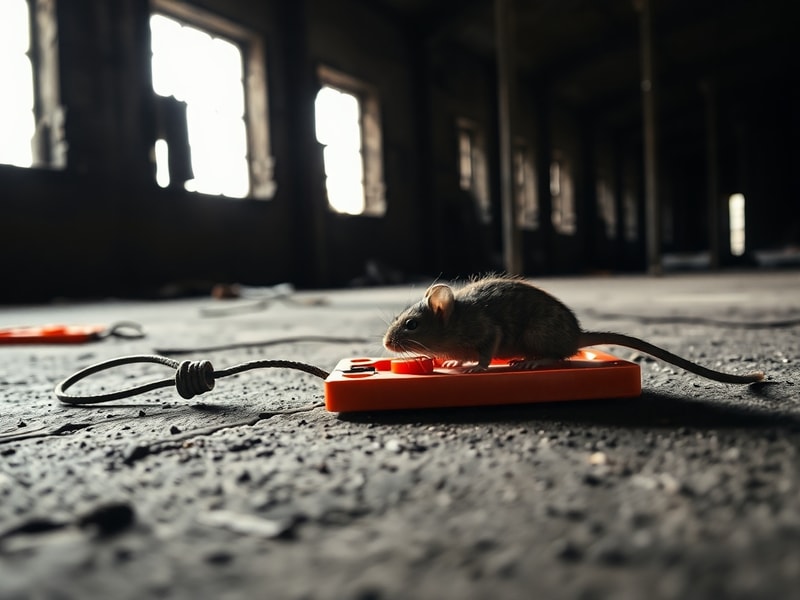
The Scottish government has taken a decisive step in animal welfare policy by confirming a ban on glue traps, a move that aligns with broader European trends and reflects growing public concern over the cruelty associated with these devices. Glue traps, also known as sticky traps, are designed to catch rodents and small pests by entangling them in a strong adhesive. While marketed as a humane solution, the reality often involves prolonged suffering, with trapped animals experiencing severe stress and eventual dehydration or starvation. The ban, announced in late 2023 and set to take effect in August 2024, marks a significant shift in how Scotland addresses pest control, prioritizing animal welfare over convenience.
The decision follows a public consultation in 2022, where over 90% of respondents expressed support for prohibiting the use of glue traps. This overwhelming consensus underscores a cultural shift in attitudes toward animal rights, particularly in regions with strong environmental and ethical movements. Scotland has long been a leader in progressive animal welfare policies, including its ban on wild animals in circuses and the introduction of the Animal Welfare (Sentience) Act 2022, which legally recognizes animals as sentient beings capable of experiencing pain and distress. The glue trap ban reinforces this commitment, sending a clear message that cruelty in pest control will not be tolerated.
Why glue traps are controversial
Glue traps have faced criticism from animal welfare organizations for decades, with groups like the Scottish SPCA and Humane Society International (HSI) campaigning for their prohibition. The devices are indiscriminate, often catching non-target species such as birds, reptiles, and even small mammals like hedgehogs. For those who survive the initial capture, the ordeal is harrowing. Trapped animals may struggle for hours or even days, leading to severe injuries, starvation, or predation by other animals. The psychological trauma is equally devastating, as the stress of confinement can cause long-term behavioral changes.
In contrast to traditional snap traps or electronic kill traps, which aim to provide a quick and painless death, glue traps offer no such guarantee. The adhesive used in these traps is designed to be permanent, making escape nearly impossible. Even when used in strict accordance with manufacturer instructions, the potential for suffering is high. Critics argue that the continued use of glue traps reflects an outdated approach to pest management, one that prioritizes cost and simplicity over ethics and effectiveness.
Globally, the use of glue traps is already restricted or banned in several countries. The European Union, for example, has prohibited their use in pest control since 2018, citing concerns over animal welfare. In the United States, some states, including California, have implemented bans, while others continue to allow their use under limited circumstances. The discrepancy in regulations highlights the need for a unified approach, particularly as globalization increases the movement of both pests and the tools used to control them.
The cultural and ethical context
Scotland’s decision to ban glue traps is not an isolated event but part of a broader movement toward more compassionate and sustainable pest control methods. This shift is deeply rooted in the country’s cultural values, which emphasize environmental stewardship and respect for all living creatures. The Scottish SPCA, one of the most influential animal welfare organizations in the region, has been a vocal advocate for the ban, citing cases of cruelty that have shocked the public. In one particularly egregious incident, a hedgehog was found trapped in a glue trap in Edinburgh, its spines matted with adhesive and its body emaciated from days of struggling. Such cases have galvanized support for stronger regulations and fueled the push for alternatives.
The ethical debate surrounding glue traps also intersects with broader discussions about human-animal relationships. As urbanization encroaches on natural habitats, encounters between humans and wildlife become more frequent, raising questions about coexistence. In Scotland, where wildlife such as red squirrels, pine martens, and badgers are cherished, the use of cruel pest control methods is increasingly seen as incompatible with contemporary values. The ban on glue traps reflects a growing recognition that humans have a responsibility to minimize suffering, even in the context of pest management.
This cultural shift is not unique to Scotland. Across Europe, countries like Germany and the Netherlands have adopted similar bans, often accompanied by public awareness campaigns that promote humane alternatives. In the Netherlands, for instance, the government has invested in education programs to teach pest control professionals and the public about the benefits of integrated pest management (IPM), which emphasizes prevention, monitoring, and the use of non-lethal methods. Scotland’s approach mirrors this model, signaling a move toward more sustainable and ethical practices.
Alternatives and the future of pest control
The ban on glue traps necessitates a transition to more humane and effective pest control methods. Fortunately, a variety of alternatives are available, many of which are already in use across Scotland and beyond. One of the most common replacements is the use of snap traps, which are designed to kill rodents quickly and humanely. Electronic traps, which deliver a rapid electric shock, are another option, offering a balance between efficiency and reduced suffering. For those seeking non-lethal solutions, live traps can be used to capture and relocate animals, though this approach requires careful consideration of the animal’s welfare and the potential for ecological disruption.
Integrated pest management (IPM) is widely regarded as the gold standard for sustainable pest control. This approach focuses on preventing pest problems before they occur through measures such as habitat modification, exclusion techniques, and sanitation. For example, sealing entry points in buildings can prevent rodents from gaining access in the first place, while removing food and water sources eliminates incentives for them to settle in human environments. When pests do appear, IPM advocates for targeted interventions that minimize harm to non-target species and the environment. Scotland’s ban on glue traps aligns with this philosophy, encouraging a shift toward more thoughtful and responsible pest control practices.
Public education will play a critical role in ensuring the success of the ban. The Scottish government has committed to providing resources and training for pest control professionals, as well as raising awareness among the general public about the benefits of humane alternatives. Community initiatives, such as workshops and online guides, can help individuals and businesses adopt IPM strategies. For those who rely on professional pest control services, it will be essential to choose providers who are certified in humane methods and committed to ethical practices. The transition may present challenges, but with the right support, it offers an opportunity to redefine pest control in Scotland.
Globally, the move toward banning glue traps could inspire other regions to revisit their own regulations. Countries with less stringent animal welfare laws may face pressure from advocacy groups and consumers to adopt similar bans. Meanwhile, businesses that manufacture glue traps will need to adapt to changing markets, either by developing more ethical alternatives or shifting their focus to other products. The Scottish ban serves as a case study in how progressive policies can drive innovation and encourage a more compassionate approach to pest control.
Reflecting on progress and the road ahead
Scotland’s decision to ban glue traps is a testament to the power of collective action and the importance of prioritizing ethics in policy-making. It reflects a growing awareness that cruelty in any form is unacceptable, even when it is framed as a practical solution to a common problem. The ban also highlights the role of public opinion in shaping legislation, demonstrating how advocacy and education can drive meaningful change. As other regions consider similar measures, Scotland’s experience offers valuable insights into the challenges and opportunities of implementing humane pest control policies.
Looking ahead, the success of the ban will depend on continued vigilance, education, and collaboration among policymakers, pest control professionals, and the public. By embracing integrated pest management and other humane alternatives, Scotland can set an example for the rest of the world. The ban on glue traps is more than just a regulation; it is a statement about the kind of society we want to live in—a society that values compassion, sustainability, and respect for all living beings. As the August 2024 deadline approaches, the focus will shift from debate to action, with the hope that this policy will inspire further progress in animal welfare and environmental stewardship.
For those interested in learning more about humane pest control methods or Scotland’s animal welfare initiatives, resources are available through organizations like the Scottian SPCA and the Environment section of Dave’s Locker. The conversation about ethical pest control is far from over, but with each step forward, we move closer to a world where cruelty is no longer an acceptable compromise.