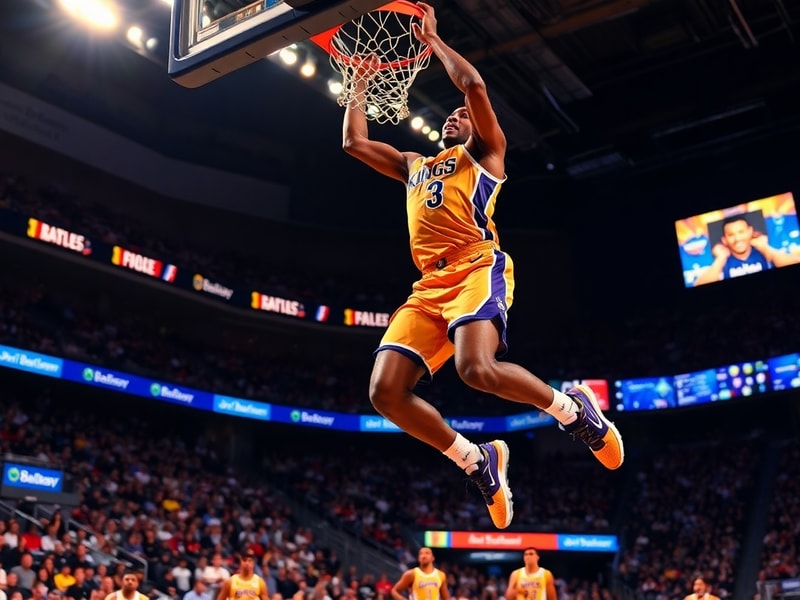
Marvin Bagley III: The NBA Journey of a Former No. 2 Pick
Marvin Bagley III entered the NBA with sky-high expectations after a dominant college career at Duke. Drafted second overall by the Sacramento Kings in 2018, Bagley was seen as a versatile frontcourt talent capable of scoring from every level while providing athleticism and energy. Five years into his professional journey, his career has followed a rocky path marked by injuries, inconsistent production, and multiple team changes. Yet, Bagley’s story is more than a cautionary tale of unfulfilled potential. It reflects broader challenges faced by young athletes navigating the pressures of elite sports, the evolving expectations of NBA front offices, and the relentless physical demands of professional basketball.
From Duke to Sacramento: The Promise and Pressure
Bagley’s rise at Duke under Mike Krzyzewski was meteoric. As a freshman, he averaged 21 points and 11 rebounds per game, earning consensus first-team All-American honors and ACC Player of the Year. His combination of fluid athleticism, face-up shooting, and explosive leaping ability made him one of the most exciting prospects in recent memory. The Sacramento Kings, drafting second overall behind Luka Dončić, believed they had landed a franchise cornerstone—an athletic big who could space the floor and play above the rim.
But the transition from college to the NBA proved far more difficult than anticipated. Bagley struggled with the physicality of professional play, particularly on defense, where his lateral quickness and strength were often exposed. His offensive game, though skilled, lacked consistency, especially in half-court sets. Injuries began to mount early. A quadriceps tear in February 2019 sidelined him for nearly two months. Another injury in the 2019-20 season—this time a thumb sprain—kept him out for 11 games. By the end of his third season, Bagley had missed 98 games due to injury, raising concerns about his durability.
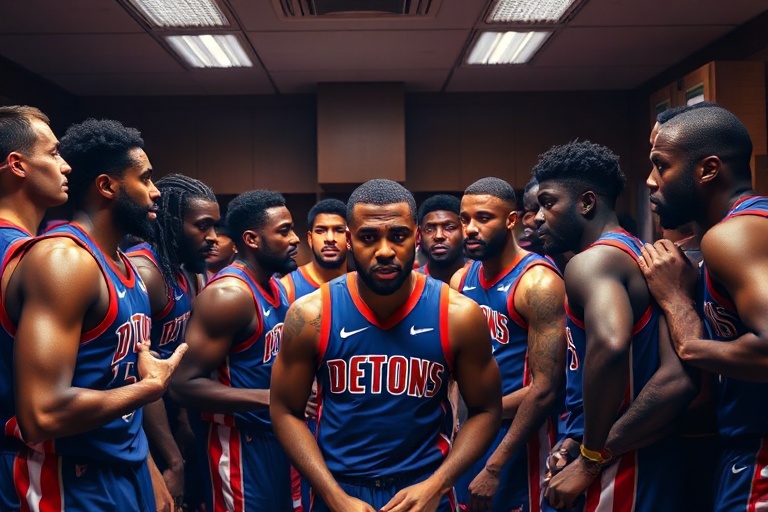
The Kings, desperate for a reliable frontcourt presence, moved on. In February 2022, Sacramento traded Bagley to the Detroit Pistons as part of a larger deal centered around Domantas Sabonis. The move signaled a shift in both organizations’ long-term strategies. For the Pistons, Bagley represented a reclamation project—an athletic big with untapped potential who could thrive in a more defined role. For the Kings, it was a chance to reset and prioritize defensive identity over raw athleticism.
The Reclamation Project: Can Bagley Rebuild His Career?
Detroit provided Bagley with a fresh start, and for a time, it worked. Under coach Dwane Casey, who emphasized physical play and energy, Bagley found more consistent minutes and a clearer role. In the 2022-23 season, he averaged 12.0 points and 7.2 rebounds per game while shooting 52% from the field. His mobility and finishing ability around the rim were finally being utilized effectively. For a rebuilding Pistons team, Bagley offered a glimpse of what he could become—a high-energy, versatile forward who could grow with a young core.
Yet, the same concerns lingered. Bagley’s defensive versatility remained inconsistent. Though improved, he still struggled to guard perimeter players, and his effort level sometimes waned in half-court defense. His offensive game, while more refined, still lacked a reliable three-point shot—he shot just 29% from deep during his time in Detroit. The Pistons, in need of shooters and playmakers, eventually moved on. In February 2024, Detroit traded Bagley to the Washington Wizards in a three-team deal that sent him to the nation’s capital as part of a broader rebuild.
Washington represents another opportunity. The Wizards, led by young stars like Jordan Poole and Kyle Kuzma, are in the early stages of building a competitive roster. Bagley, now 26, is no longer a prospect but a veteran presence—someone who can provide scoring, rebounding, and athleticism off the bench. His role is likely to be defined: a high-energy big who can finish lobs, run the floor, and give minutes to younger players like Isaiah Livers and Taj Gibson. The question is whether this environment will allow him to rediscover his best self.
For Bagley, the journey has been one of adaptation. He has moved from a franchise cornerstone in Sacramento to a rotational piece in Detroit to a developmental piece in Washington. Each stop has shaped his game, forced him to refine his skill set, and taught him the realities of professional basketball. The NBA is unforgiving, especially for players who don’t fit neatly into modern positional roles. Bagley’s ability to evolve—both physically and mentally—will determine whether he carves out a long-term role or fades into NBA obscurity.
Broader Implications: The Evolution of the NBA Big Man
Marvin Bagley’s career trajectory reflects broader shifts in the NBA. The league has moved away from traditional power forwards and centers who rely on post-ups and mid-range shots. Today’s successful bigs are versatile, switchable defenders who can shoot threes, run in transition, and protect the rim. Players like Jayson Tatum, Giannis Antetokounmpo, and Bam Adebayo exemplify this evolution—athletes who blur the lines between positions and force opponents to adapt.
Bagley, for all his athleticism, has struggled to fit into this mold. His lack of a reliable three-point shot limits his spacing potential. His defense, though improved, still leaves him vulnerable against quicker forwards. The NBA values players who can do multiple things well, and Bagley has yet to fully embrace that identity. His career is a reminder that raw talent alone is not enough. Development, adaptability, and basketball IQ are just as crucial.
This shift has also changed how teams evaluate prospects. Teams are now drafting for fit rather than pure potential. A player like Bagley, with elite athleticism but limited range, is a higher risk in today’s NBA. That’s not to say he can’t succeed—see: Robert Covington, a forward with similar limitations who carved out a 12-year career through elite defense and hustle. But Bagley has not yet proven he can reach that level.
There’s also the issue of player development in the NBA. Bagley’s struggles raise questions about the systems in place to help young players transition. Sacramento’s crowded frontcourt, Detroit’s rebuilding timeline, and Washington’s youth movement have all impacted his role. Each organization has its own philosophy, and Bagley has had to adjust to three different systems in six years. That kind of instability can stunt development, especially for players still refining their games.
What’s Next for Marvin Bagley?
At 26, Bagley is in the prime of his athletic career. He has shown flashes of brilliance—dunking on opponents, finishing at the rim, and even hitting mid-range jumpers. But consistency has been the missing piece. His future likely hinges on three factors:
- Shooting: If Bagley can develop a reliable three-point shot, he becomes a far more valuable floor spacer. Teams are always searching for bigs who can shoot, and that skill would open up driving lanes and create mismatches.
- Defense: Bagley’s effort level and engagement on defense have fluctuated. If he can become a reliable rim protector and switchable defender, he’ll earn more minutes in competitive lineups.
- Role Clarity: Bagley has thrived in defined roles—whether as a lob threat in Detroit or a high-energy big in Washington. Finding a system that maximizes his strengths will be key.
For now, Bagley remains a free agent after the 2023-24 season. His next contract will likely be a prove-it deal—a short-term, incentive-laden agreement where he has to show he belongs in the league. If he can put together a strong season in Washington, he may earn another opportunity. If not, his NBA career could be nearing its end.
Regardless of the outcome, Bagley’s journey offers lessons for young athletes. Potential is just the starting point. Success requires adaptability, resilience, and a willingness to evolve. The NBA is littered with players who had all the tools but couldn’t put it together. Marvin Bagley is still fighting to avoid that fate.
The story of Marvin Bagley is not over. But it’s a story that reflects the harsh realities of professional sports—a reminder that talent must be nurtured, refined, and protected. For Bagley, the next chapter may be his most important yet.