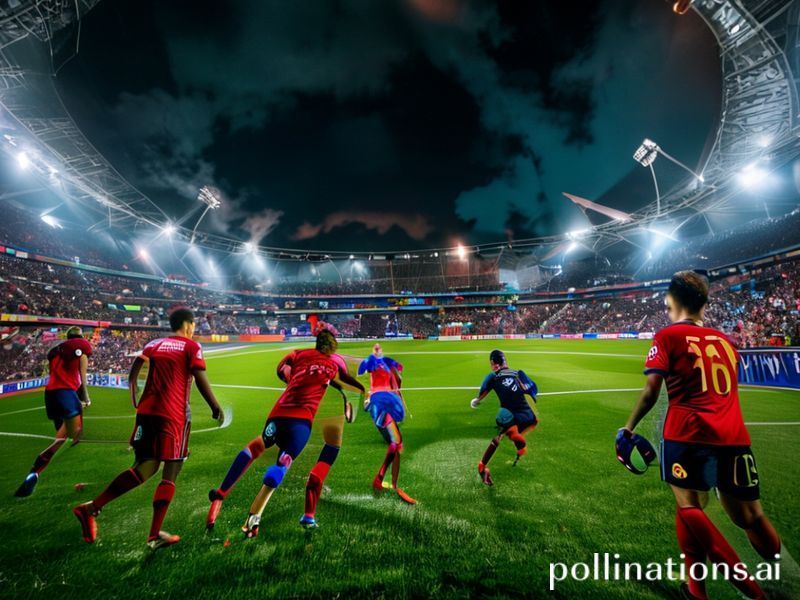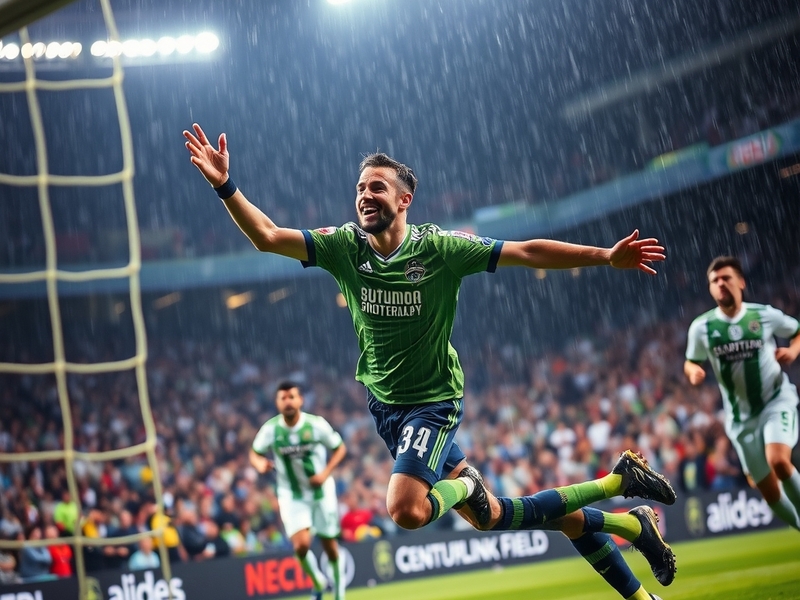
The Seattle Sounders faced Querétaro in a high-energy friendly match last weekend, showcasing the growing influence of North American soccer beyond traditional powerhouses. While the Sounders are household names in MLS circles, Querétaro brought the flair of Liga MX, offering a preview of what fans might expect in future cross-border competitions.
The teams’ contrasting paths to the match
The Sounders entered the game riding a wave of consistency in MLS play, fresh off a strong start to the season. Under Brian Schmetzer’s leadership, the team has become known for its relentless midfield pressure and creative set pieces—traits that have defined Seattle’s identity since joining the league in 2009. For Querétaro, the match represented a rare opportunity to test their depth against a top-tier opponent. The Mexican club, currently mid-table in Liga MX, has relied on youth development and tactical flexibility to remain competitive.
This contrast in experience played out on the pitch. Seattle’s core of Jordan Morris, Albert Rusnak, and Léo Chú brought a blend of speed and technical precision, while Querétaro countered with quick transitions and pressing from their forwards. The tactical battle wasn’t just about skill—it was about cultural adaptation. Liga MX clubs are renowned for their high-intensity, emotional style, while MLS teams often prioritize structured, possession-based play. The Sounders’ ability to adapt mid-match highlighted their evolution as a global brand.
Key moments that shaped the game
The match’s turning point came in the 28th minute, when Rusnak curled a free kick into the top corner, giving Seattle a 1-0 lead. The goal was a masterclass in set-piece execution, a staple of the Sounders’ attacking arsenal. Querétaro responded with pressure in the second half, nearly equalizing through a header from midfielder Santiago Trigos, but Seattle’s defense held firm.
Another standout moment came when Querétaro’s young winger, Diego Martínez, danced past two defenders before being fouled in the box. The resulting penalty was saved by Sounders goalkeeper Stefan Frei, preserving the clean sheet. Martínez’s skill reflected Querétaro’s investment in youth development, a strategy increasingly common in Mexican soccer as clubs seek to compete with Europe and the U.S.
Defensively, Seattle’s backline showed discipline, with Abdoulaye Cissoko and Xavier Arreaga forming a compact duo. Their ability to read Querétaro’s runs highlighted the tactical awareness that has made the Sounders a consistent playoff contender. Meanwhile, Querétaro’s high press forced Seattle into hurried decisions, a tactic that nearly paid off late in the match when substitute forward Erick Torres forced Frei into a sharp save.
What this match means for North American soccer
Friendlies like this one are more than just exhibitions—they’re part of soccer’s broader push into the North American market. With the 2026 World Cup on the horizon, cross-border matches are becoming a cornerstone of the sport’s growth strategy. Liga MX clubs, with their passionate fanbases and attacking style, offer MLS teams a chance to measure themselves against a different style of play.
For fans, these matches provide a taste of international soccer without the cost of traveling abroad. The Sounders’ ability to draw a sellout crowd for a midweek friendly against a Mexican opponent underscores the region’s hunger for high-level soccer. It also signals a shift in how MLS teams approach scheduling, with more clubs prioritizing marquee friendlies to build global appeal.
From a cultural standpoint, the match highlighted the blending of traditions. Querétaro’s supporters brought vibrant drums and chants, a hallmark of Liga MX culture, while Seattle’s fans countered with their signature “hawk screech” and scarf-waving. The exchange wasn’t just about rivalry—it was about celebration. Soccer in North America thrives when clubs embrace these moments of connection.
The road ahead for both teams
For the Sounders, the focus remains on MLS and the CONCACAF Champions Cup, where they’ll face tougher opponents in the coming months. But matches like this one serve as valuable benchmarks, allowing Schmetzer to test new formations and young talent. Querétaro, meanwhile, will look to build on their performance as they push for a top-half finish in Liga MX.
As North American soccer continues to evolve, these cross-border encounters will play a crucial role in shaping the sport’s future. Whether it’s through friendlies, Leagues Cup, or potential World Cup preparations, the collaboration between MLS and Liga MX is only set to deepen. Fans in both countries stand to benefit from the increased competition and cultural exchange.
For now, the Sounders can take pride in their hard-fought win, while Querétaro leaves with lessons learned. The bigger takeaway? North American soccer is no longer a sideshow—it’s a stage for some of the world’s most exciting teams.
- Follow our Sports section for more updates on MLS and Liga MX
- Read deeper analysis on tactical trends in North American soccer
Whether you’re a fan of the Sounders’ structured play or Querétaro’s free-flowing style, one thing is clear: the future of soccer in North America is bright, competitive, and full of possibilities.