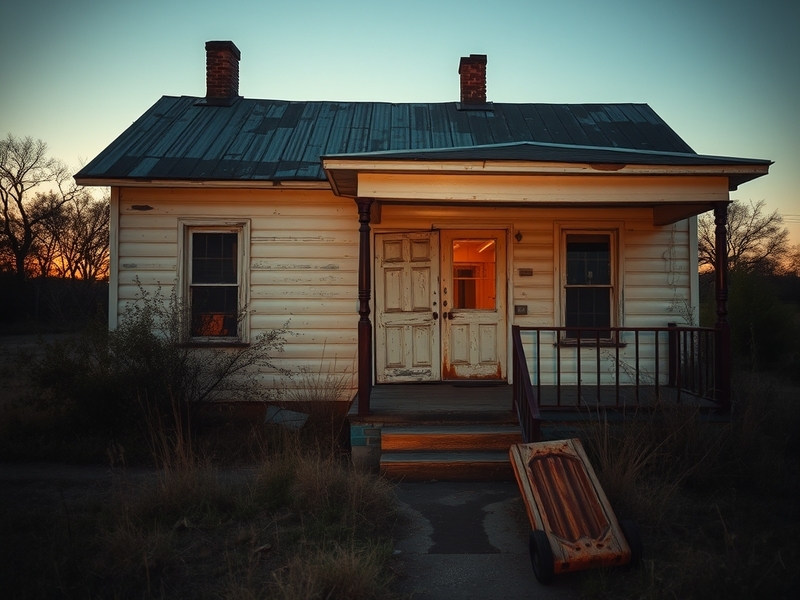
The idea of a “last house” review might sound like the end of an era, but it’s more about the stories left behind than the structures themselves. These reviews often emerge after a home changes hands for the final time, whether due to demolition, abandonment, or a dramatic shift in ownership. They serve as a eulogy for the physical space, but also as a snapshot of the lives that unfolded within its walls. For collectors, historians, and even curious neighbors, these reviews provide a rare glimpse into the unseen layers of a property’s past.
The practice has gained traction in recent years, thanks in part to the rise of online real estate platforms and community-driven review sites. Unlike traditional property reviews, which focus solely on market value or curb appeal, “last house” reviews dig deeper. They explore the emotional resonance of a home, the quirks of its architecture, and the personal histories that shaped its identity. Some reviewers go so far as to interview former residents or pore over old records to uncover hidden details. The result is a blend of nostalgia, architecture, and social history—all wrapped into one.
Why “Last House” Reviews Matter Beyond the Sale
“Last house” reviews transcend the transactional nature of real estate. They’re not just about whether the price was fair or the layout was practical. Instead, they highlight the intangible qualities that make a house feel like a home—or, in some cases, a relic of a bygone era. For example, a reviewer might note the hand-carved banister in a 1920s Victorian home, the original hardwood floors worn smooth by decades of footsteps, or the overgrown garden that once hosted neighborhood barbecues. These details paint a picture of a space that was lived in, loved, and eventually left behind.
These reviews also serve a practical purpose. Demolition companies and urban planners sometimes reference them when deciding whether to preserve a structure or clear it for redevelopment. In cities where historic preservation is a contentious issue, a well-documented “last house” review can tip the scales in favor of saving a building. For instance, a 2022 piece on Dave’s Locker News highlighted how a community rallied to save a 19th-century row house after a viral review detailed its architectural significance. The review didn’t just describe the home—it told the story of the immigrant family who built it, the jazz musicians who once played in its parlor, and the generations who called it home.
Beyond preservation, these reviews can also uncover darker histories. Some properties carry the weight of scandal, tragedy, or neglect. A reviewer might uncover records of a notorious crime committed on the premises, a history of arson, or a decades-long feud between neighbors. These details add a layer of intrigue that traditional real estate listings lack. They remind us that every house has a past, and some of those pasts are worth remembering—even if the house itself isn’t.
The Art of the “Last House” Review: What Sets It Apart
Writing a compelling “last house” review requires a mix of investigative journalism, architectural appreciation, and narrative skill. It’s not enough to simply state that the house was “charming” or “outdated.” The best reviews immerse the reader in the space, making them feel as though they’ve stepped through the front door themselves. This often involves a keen eye for detail and a willingness to ask uncomfortable questions. For example, does the peeling wallpaper hide a family secret? Why was the basement flooded for years? What happened to the original owner’s prized collection of vinyl records?
Many reviewers also incorporate multimedia elements to enhance their narratives. Photographs of the home’s exterior and interior are a given, but some go further by including old family photos, maps of the neighborhood, or even audio interviews with former residents. These additions transform the review from a simple write-up into a mini-documentary. One particularly memorable review from a Midwest-based blog paired archival footage of a 1950s-era family gathering with present-day shots of the same home, now boarded up and awaiting demolition. The contrast was jarring, highlighting how time erodes even the most cherished spaces.
Another hallmark of a strong “last house” review is its honesty. While some reviewers approach the task with a sense of reverence, others lean into the absurd or the melancholic. A review of a 1970s ranch-style home might poke fun at its avocado-green appliances and shag carpeting, while another might mourn the loss of a mid-century modern masterpiece. The tone can vary widely, but the most effective reviews strike a balance between critique and empathy. They recognize that a house is more than just a building—it’s a container for memories, both joyful and painful.
The Ethical Dilemmas of “Last House” Reviews
Despite their growing popularity, “last house” reviews are not without controversy. One of the biggest ethical concerns is the issue of consent. In many cases, reviewers don’t have permission to dig into a home’s history, especially if it’s tied to living individuals. For example, a reviewer might uncover sensitive information about a former resident’s financial struggles or personal tragedies. Should that information be shared publicly? Where do we draw the line between storytelling and exploitation?
Another dilemma is the potential for gentrification. In cities where housing prices are skyrocketing, a viral “last house” review can inadvertently accelerate the decline of a neighborhood. If a review praises the “hidden charm” of a property in a working-class area, it might attract developers looking to capitalize on its perceived value. This has led some communities to push back against these reviews, arguing that they commodify spaces that were never meant to be part of the market. In response, some reviewers have adopted a more cautious approach, focusing on the architectural or historical significance of a home rather than its aesthetic appeal.
There’s also the question of bias. Reviews are inherently subjective, and what one person sees as a charming quirk, another might view as a dealbreaker. For instance, a reviewer might gush over a home’s “rustic” charm, while a potential buyer sees it as a sign of neglect. This subjectivity can skew the narrative, making it difficult for readers to separate fact from opinion. To combat this, some reviewers include interviews with multiple former residents or experts in fields like historic preservation or structural engineering. This adds credibility to their assessments and ensures that the review isn’t just a personal reflection.
How to Write Your Own “Last House” Review
If you’re inspired to write your own “last house” review, whether for a beloved childhood home or a property you’ve never set foot in, there are a few key steps to follow. First, gather as much information as possible. Start with public records, such as property deeds, tax assessments, and old newspaper articles. These can reveal who owned the home, when it was built, and any significant events that took place there. Next, reach out to former residents or neighbors. Even if they’re reluctant to share, a polite request can sometimes yield surprising insights. You might uncover stories of secret gardens, hidden rooms, or even ghostly encounters.
Once you’ve gathered your research, it’s time to structure your review. A good framework might look like this:
- Introduction: Set the scene. Where is the home located? Why is it being reviewed now? Is it slated for demolition, or is it changing hands for the last time?
- History: Provide context. Who built the home, and why? What major historical events happened in the area during its existence?
- Architecture: Describe the home’s design. What materials were used? Are there any unique features, like stained glass windows or a hidden staircase?
- Personal Stories: Share anecdotes from former residents or neighbors. What made this home special to them?
- Assessment: Be honest about the home’s condition. What works, and what doesn’t? Are there any red flags, like structural issues or environmental hazards?
- Conclusion: Reflect on the home’s legacy. What will be lost when it’s gone? Is there hope for its preservation?
As you write, keep your audience in mind. Are you writing for fellow enthusiasts, historians, or potential buyers? Tailor your language and depth of detail accordingly. And don’t forget to include photos or other visuals to bring your review to life. A picture of a crumbling fireplace or a well-preserved stained glass window can say more than words ever could.
The most powerful “last house” reviews are those that leave the reader with a sense of connection—to the home, to its past, and to the idea of impermanence. They remind us that every structure, no matter how ordinary, has a story to tell. And when that story ends, it’s worth taking the time to listen.