Solar eclipses transform day into night for minutes at a time, but they also transform how we see the sky. Without proper protection, staring at the sun—even during an eclipse—can cause permanent eye damage in seconds. This is where ISO 12312-2 glasses come in. Recognized by NASA, the American Astronomical Society, and eye care professionals worldwide, these specialized filters are the only safe way for individuals to directly observe solar events. They’re not just sunglasses. They’re precision instruments designed to block nearly all visible light and 100% of harmful ultraviolet and infrared radiation.
What Are ISO 12312-2 Glasses and How Do They Work?
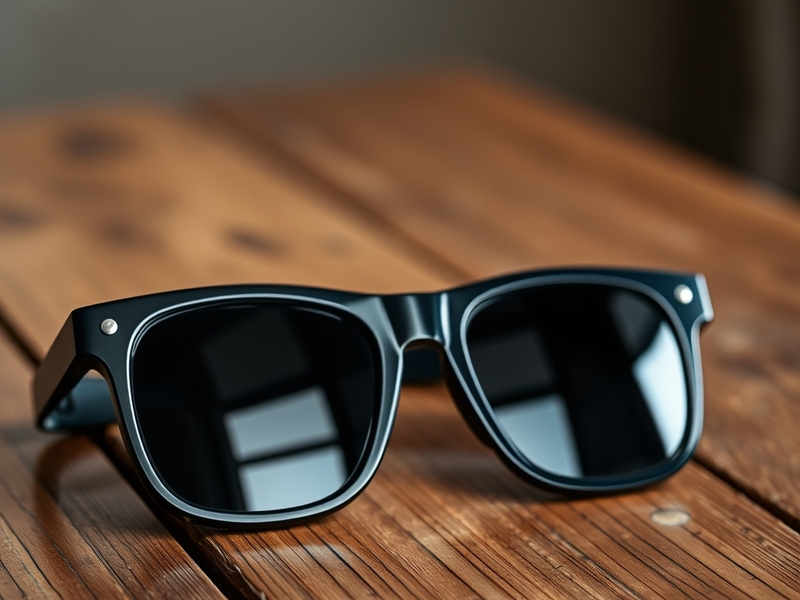
ISO 12312-2 is an international safety standard published by the International Organization for Standardization. It specifies the requirements for filters designed to protect the eyes from solar radiation, including during solar eclipses and transits of Venus or Mercury across the sun. These glasses use a black polymer material or a thin layer of aluminized polyester film that acts as a solar filter. Unlike regular sunglasses, which may reduce brightness but still allow harmful wavelengths to pass through, ISO 12312-2 lenses block approximately 99.999% of intense visible light and 100% of UVA, UVB, and UVC rays.
This level of protection is critical because the sun’s surface can exceed 5,500 degrees Celsius. Even a sliver of unfiltered sunlight can cause solar retinopathy—a condition where UV and infrared light burn the retina, leading to blurred vision or permanent blind spots. ISO 12312-2 glasses are tested to ensure they meet these stringent safety thresholds. They’re not fashion accessories; they’re essential safety gear for anyone observing solar phenomena.
How to Choose and Use ISO 12312-2 Glasses Safely
Not all dark lenses are created equal. Counterfeit eclipse glasses have flooded the market during major events like the 2017 and 2024 solar eclipses. These fakes often lack the ISO 12312-2 certification and can give users a false sense of security. When purchasing ISO 12312-2 glasses, look for the following:
- ISO certification label: The glasses should clearly state “ISO 12312-2:2015” or “ISO 12312-2:2015(E).”
- Reputable manufacturer: Trusted brands include Rainbow Symphony, American Paper Optics, and Thousand Oaks Optical. These companies have been vetted by astronomical societies.
- No damage: Check for scratches, punctures, or torn lenses. Even a small defect can compromise protection.
- Proper fit: Glasses should fit snugly and stay in place. Some models include head straps for active viewers.
Once you’ve secured a certified pair, using them correctly is just as important. Never look at the sun through binoculars, cameras, or telescopes while wearing ISO 12312-2 glasses. These devices concentrate sunlight and can melt the filter or cause severe eye injury. Instead, use solar filters designed specifically for optical equipment. Also, never use glasses that are older than three years or have been left in hot conditions, as the filter material can degrade over time.
The Broader Impact of ISO 12312-2 Glasses on Public Science Engagement
The rise of ISO 12312-2 glasses reflects a growing public interest in astronomy and citizen science. During the 2017 total solar eclipse, millions of Americans traveled to the path of totality, and demand for certified glasses skyrocketed. Libraries, schools, and museums distributed over 2 million pairs, often for free, to ensure safe viewing. This wasn’t just about watching a celestial event—it was about fostering scientific curiosity and community participation.
The glasses also play a role in education. Teachers use solar eclipses as real-time demonstrations in physics and astronomy classes. Students learn about light, radiation, and the solar system in ways that textbooks can’t replicate. ISO 12312-2 glasses make these lessons safe and accessible, bridging the gap between classroom theory and cosmic reality. They’re a tangible example of how science standards directly impact public safety and learning.
Beyond education, the glasses have influenced event planning and tourism. Cities along the path of totality see economic boosts as visitors book hotels, dine at local restaurants, and purchase eclipse-themed merchandise. For instance, Carbondale, Illinois, positioned itself as the “Eclipse Crossroads of America” during the 2017 and 2024 eclipses, drawing tens of thousands of visitors. ISO 12312-2 glasses become part of the local economy, sold at planetariums, visitor centers, and pop-up shops.
Common Myths and Misconceptions About Solar Viewing Glasses
Despite widespread awareness campaigns, several myths persist about solar viewing glasses. One of the most dangerous is the belief that multiple pairs of sunglasses can substitute for ISO 12312-2 glasses. While stacking polarized sunglasses may reduce brightness, they do not block the full spectrum of harmful radiation. Another myth is that you can safely view the sun for short periods without protection. Even a few seconds of unfiltered exposure can cause retinal damage, which may not be immediately noticeable.
Some people also assume that ISO 12312-2 glasses are only necessary during total eclipses. In reality, the sun’s everyday glare can be harmful, especially when reflected off snow or water. While the risk of retinal burn is lower on regular days, prolonged exposure without protection can still contribute to long-term eye strain and UV damage. These glasses serve as a reminder that solar safety is a year-round concern, not just an eclipse-specific one.
Another misconception is that children should avoid using ISO 12312-2 glasses. While young children need adult supervision to ensure proper use, these glasses are designed to be safe for all ages. In fact, involving kids in safe solar viewing can spark lifelong interest in science and space exploration. Parents and educators should prioritize both safety and engagement, ensuring that even the youngest observers can participate in solar events without risk.
Looking Ahead: The Future of Solar Safety and Public Engagement
The ISO 12312-2 standard continues to evolve as new research emerges about solar radiation and eye health. Recent studies have highlighted the potential risks of blue light exposure from screens and digital devices, prompting discussions about expanding safety standards to include everyday light filters. While ISO 12312-2 glasses are currently focused on solar events, their technology could inform broader eye protection guidelines in the future.
As space exploration advances, the demand for high-quality solar filters is likely to grow. Missions like NASA’s Parker Solar Probe, which studies the sun’s corona, rely on advanced materials to protect their instruments. These innovations trickle down to consumer products, making future solar glasses even more durable and effective. The next generation of ISO-certified filters may incorporate smart sensors to monitor UV exposure in real time, offering personalized safety alerts.
The cultural impact of ISO 12312-2 glasses also points to a larger trend: the democratization of science. By making solar observation accessible and safe, these glasses empower people of all backgrounds to engage with astronomy. They turn passive viewers into active participants in a global scientific dialogue. Whether it’s a child watching their first eclipse or a retiree photographing the event, ISO 12312-2 glasses are more than protective gear—they’re tools for connection and discovery.
As solar eclipses and transits continue to captivate audiences, the importance of ISO 12312-2 glasses will only increase. They remind us that wonder and safety aren’t mutually exclusive. With the right tools, anyone can look up at the sky and witness the universe’s most spectacular shows—without risking their sight.