Exploring the Diversity of Cat Species
Cats are one of the most beloved animals across the globe, not only as pets but also in the wild. With over 40 distinct species, the family Felidae showcases remarkable diversity in size, habitat, and behavior. The various cat species range from the small and agile domestic cat to the majestic and powerful Siberian tiger. Understanding these species offers insights into their ecological roles and conservation status.
Major Cat Species and Their Characteristics
Among the numerous species, several stand out due to their unique traits and adaptations. Here are some key cat species:
- Domestic Cat (Felis catus): The most familiar of all cat species, domestic cats have been companions to humans for thousands of years. They exhibit a variety of breeds, colors, and temperaments.
- Lion (Panthera leo): Known as the “king of the jungle,” lions live in social groups called prides. They are unique among cats for their cooperative hunting and social structure.
- Tiger (Panthera tigris): The largest of all cat species, tigers are solitary hunters and are known for their distinctive orange coat with black stripes. They are primarily found in Asia and are critically endangered.
- Cheetah (Acinonyx jubatus): Renowned for their incredible speed, cheetahs can reach up to 75 miles per hour in short bursts. They have a unique body structure that supports their agility and speed.
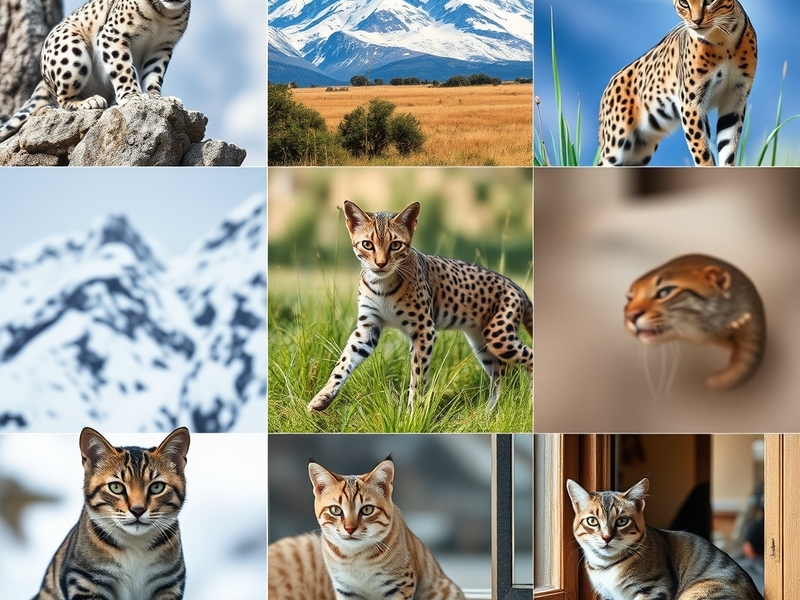
- Snow Leopard (Panthera uncia): Native to the mountain ranges of Central and South Asia, snow leopards are adapted to cold environments with their thick fur and long tails.
The Importance of Conservation
Many cat species are facing significant threats due to habitat loss, poaching, and climate change. The conservation of these species is not only crucial for maintaining biodiversity but also for ensuring the health of ecosystems where they reside. Here are some implications of cat species conservation:
- Ecological Balance: Cats play a vital role in controlling prey populations, which helps maintain balance in their ecosystems.
- Indicator Species: The health of cat populations can serve as an indicator of broader environmental health, reflecting changes in habitat quality and availability.
- Cultural Significance: Many cultures revere cats, and their preservation can help maintain cultural identities and practices.
Conservation efforts must include habitat protection, anti-poaching measures, and community engagement to promote coexistence with local wildlife. Organizations around the world are working to educate communities about the importance of protecting these magnificent creatures.
Understanding Cat Behavior and Adaptation
The behavior of cat species is shaped by their environments and evolutionary history. For example, social species like lions exhibit cooperative behavior, while solitary hunters like tigers have developed stealth and strength to hunt effectively. A few key behavioral adaptations include:
- Hunting Techniques: Different species have evolved various hunting strategies. For instance, cheetahs rely on speed, while tigers use stealth and strength.
- Territoriality: Many cats are territorial, marking their domains to communicate with others. This behavior helps reduce conflicts over resources.
- Communication: Cats utilize vocalizations, body language, and scent marking to communicate with each other, showcasing their complex social structures.
Understanding these behaviors not only enriches our knowledge of the species but also informs conservation strategies. By recognizing their needs and challenges, we can develop more effective practices to protect them.
Conclusion
The diversity of cat species is a testament to the adaptability and resilience of the Felidae family. From the domestic cat to the elusive snow leopard, each species plays a crucial role in its ecosystem. The ongoing threats they face highlight the urgent need for conservation efforts. By understanding their behaviors, habitats, and the importance of their preservation, we can contribute to the survival of these incredible animals. For more information on wildlife conservation, visit our conservation category page or explore our wildlife section.