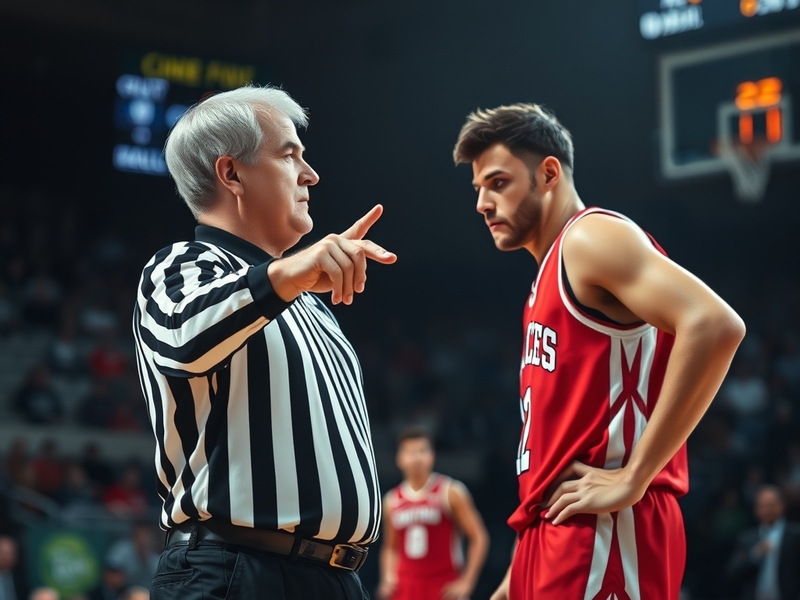
Basketball’s technical foul is one of the sport’s most misunderstood and hotly debated rules. It’s not just a whistle-blowing formality—it’s a strategic tool, a disciplinary measure, and sometimes a flashpoint for controversy. Whether it’s a player arguing with an official or a coach drawing an unsportsmanlike flag, the technical foul carries weight far beyond its two free throws and possession change.
What Exactly Is a Technical Foul?
A technical foul is called when a player, coach, or team commits a violation that disrupts the game’s flow or shows unsportsmanlike conduct. This includes excessive arguing, taunting, flopping, or even equipment violations like wearing an illegal jersey. The penalty is two free throws for the opposing team and possession of the ball afterward.
The rule exists to maintain order and respect within the game. Officials have wide discretion, which can lead to inconsistency. Some argue that certain calls are overly harsh, while others believe the rule isn’t enforced enough to curb poor behavior. This subjectivity fuels much of the debate around technical fouls.
The Strategic Role of Technical Fouls in Basketball
While often seen as a penalty, technical fouls are also part of basketball’s strategic toolkit. Coaches and players sometimes use them intentionally to disrupt an opponent’s momentum or draw a foul on themselves to reset the defense. A well-timed technical can shift the game’s energy, especially in close contests.
However, the strategy comes with risks. Accumulating technical fouls can lead to player ejections and even fines for teams. The NBA, for example, imposes escalating penalties for multiple technical fouls, including automatic fines and potential suspensions. This adds a layer of consequence to what might seem like a minor infraction.
Here’s a breakdown of how technical fouls function strategically:
- Disrupting Opponent Rhythm: A sudden technical foul can break an opponent’s scoring streak, forcing them to regroup on defense.
- Self-Inflicted Fouls: Some coaches intentionally draw a technical to reset the shot clock or get a fresh defensive matchup.
- Player Frustration Management: Veteran players sometimes use technicals to vent frustration without risking ejection for flagrant fouls.
- Psychological Warfare: Repeated technicals can rattle an opponent, making them more cautious or aggressive in response.
Controversies and Calls for Reform
The ambiguity of technical fouls has long been a source of frustration. Officials’ interpretations vary widely, leading to inconsistent enforcement. Critics argue that the rule disproportionately targets certain players or coaches while letting others slide. This inconsistency undermines the rule’s intended purpose of maintaining sportsmanship.
In recent years, leagues like the NBA have experimented with stricter enforcement to curb excessive complaining and flopping. However, these changes have sparked their own debates. Some fans and analysts believe the league has gone too far, stifling natural competitiveness by penalizing passionate players.
Another point of contention is the role of replay reviews. The NBA now reviews flagrant fouls and certain technicals using instant replay, aiming for more consistency. While this has reduced some errors, it has also slowed down the game—a trade-off many purists oppose.
Technical Fouls Beyond the NBA
Technical fouls aren’t unique to the NBA. College basketball, FIBA, and even high school leagues all have similar rules, though enforcement differs. In college, for example, two technical fouls in a game result in immediate ejection for the player, whereas the NBA allows a player to stay in the game until they accumulate two flagrant fouls or six personal fouls.
International leagues like FIBA prioritize flow and continuity, often calling fewer technical fouls to keep the game moving. This approach reflects different cultural attitudes toward sportsmanship and officiating. What’s considered a technical foul in the NBA might not even be penalized overseas.
The differences highlight a broader tension in sports: Should rules prioritize fairness and order, or should they allow for the natural intensity of competition? Technical fouls embody this struggle, serving as a microcosm of basketball’s evolving relationship with discipline and entertainment.
Final Thoughts: The Future of the Technical Foul
Technical fouls are more than just penalties—they’re a reflection of basketball’s culture. As the game evolves, so too will the enforcement of its rules. The challenge for leagues will be balancing discipline with entertainment, ensuring that the game remains both fair and exciting.
One potential solution is clearer guidelines for officials, reducing the ambiguity that fuels controversy. Another is embracing technology, like AI-assisted officiating, to standardize calls. Whatever the future holds, technical fouls will remain a key part of basketball’s identity—a tool, a tactic, and sometimes a point of contention.
For fans looking to dive deeper into basketball’s evolving rules and strategies, Dave’s Locker Sports offers in-depth analysis and updates. Whether you’re a coach, player, or casual observer, understanding the technical foul is essential to appreciating the game’s complexities.