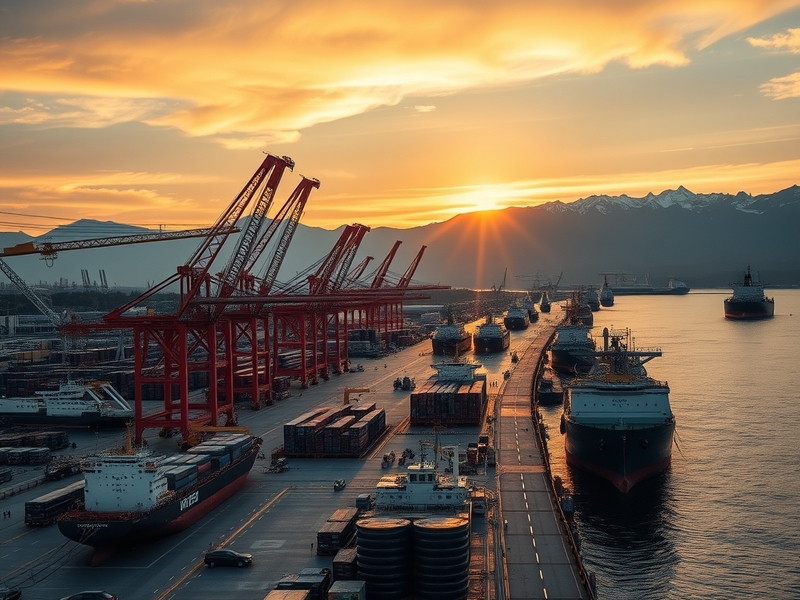
Perched on the eastern coast of the Black Sea, Novorossiysk stands as Russia’s busiest port and a strategic crossroads linking Europe to Asia. More than just a maritime hub, the city embodies layers of geopolitical significance, economic ambition, and cultural fusion. With a history shaped by empires and a present defined by trade flows, Novorossiysk remains a silent but powerful force in regional stability and global commerce.
From Imperial Outpost to Commercial Titan
The origins of Novorossiysk trace back to 1838, when the Russian Empire established a military fortification to secure its southern flank. Named “Port of Saint Nicholas,” the settlement soon evolved into a key naval and trade center under the broader Novorossiya region—literally “New Russia”—a term once used to describe southern Ukraine and parts of southern Russia. The city’s strategic value grew after Crimea’s annexation in 1864, when Novorossiysk became the primary warm-water port for Russia, free from ice year-round.
By the early 20th century, Novorossiysk had transformed into a bustling commercial port, handling grain, timber, and minerals. The Soviet era accelerated this growth, turning the city into a linchpin of the Black Sea fleet and a symbol of industrial might. Even during World War II, when the city was besieged for 225 days during the Battle of the Caucasus, its resilience became legendary. The port’s role in supplying the Soviet Union during the war underscored its importance, and it rebounded swiftly in the postwar years.
The Heartbeat of Russian Trade and Energy
Today, Novorossiysk is Russia’s largest seaport, handling over 150 million tons of cargo annually. Its deep-water harbor can accommodate vessels up to 250,000 deadweight tonnage, making it ideal for oil, grain, and container traffic. The port’s oil terminal alone accounts for nearly half of Russia’s seaborne oil exports, particularly crude from Kazakhstan and western Siberia.
- Strategic Cargo Types: Crude oil, refined petroleum products, coal, grain, containerized goods
- Key Trade Partners: European Union, Turkey, China, India, Middle East
- Infrastructure Highlights: Novorossiysk Commercial Sea Port, Taman Port complex, Kavkaz ferry terminal
The city’s role in energy transit has drawn global attention, especially amid Western sanctions. With pipelines like the Caspian Pipeline Consortium (CPC) terminating here, Novorossiysk has become a critical node in Russia’s energy export network. This infrastructure not only fuels the Russian economy but also influences global oil markets, particularly in Europe, where alternative supply routes remain limited.
Yet, the port’s dominance comes with vulnerabilities. Sanctions have forced rerouting efforts, and insurance costs for vessels calling at Russian ports have surged. Despite these challenges, Novorossiysk remains a testament to Russia’s ability to adapt and maintain key trade corridors in a shifting geopolitical landscape.
Cultural Crossroads: Where East Meets West
Novorossiysk’s identity is a blend of Russian resilience, Cossack heritage, and Mediterranean influences. The city’s architecture reflects this fusion: from the neoclassical grandeur of the Novorossiysk Museum of Local History to the Soviet-era industrial aesthetics of the port zone. The nearby Abrau-Dyurso wine region, founded in 1870, adds a touch of European sophistication, producing wines that have earned international acclaim.
The local population is a microcosm of Russia’s diversity. Ethnic Russians form the majority, but communities of Armenians, Greeks, and Ukrainians have long contributed to the city’s cultural fabric. Festivals like the Day of the City and the Black Sea Jazz Festival draw visitors from across the North Caucasus and beyond, highlighting Novorossiysk’s role as a cultural bridge.
Maritime traditions run deep. The city hosts the annual Black Sea Cup sailing regatta, and its fishing fleet supplies much of the region with fresh seafood. The Novorossiysk Sea Terminal, with its futuristic design, symbolizes the city’s blend of modernity and tradition.
Environmental and Geopolitical Challenges
Despite its economic contributions, Novorossiysk faces pressing environmental and geopolitical issues. The port’s expansion has raised concerns about pollution in the Tsemes Bay, where oil spills and industrial runoff threaten marine ecosystems. Local activists have called for stricter regulations and sustainable practices, but balancing economic growth with environmental protection remains a delicate challenge.
Geopolitically, Novorossiysk sits in a volatile region. The 2022 closure of the Kerch Strait Bridge after a Ukrainian drone attack severed the road and rail link between Russia and Crimea, forcing increased reliance on ferry traffic from the port of Kavkaz to Crimea. This has intensified security measures at Novorossiysk, with heightened naval patrols and surveillance systems.
The city’s position also makes it a potential flashpoint in broader conflicts. Its proximity to the Caucasus, Ukraine, and Turkey places it at the nexus of competing interests. Any escalation in regional tensions could disrupt trade flows and destabilize the port’s operations, with ripple effects across global markets.
Why Novorossiysk Matters Beyond Its Shores
Novorossiysk is more than a port city—it is a barometer of Russia’s economic resilience and geopolitical maneuvering. Its ability to maintain operations amid sanctions, adapt to shifting trade routes, and sustain its role as a cultural hub speaks to the city’s enduring significance. For global observers, Novorossiysk offers a window into the complexities of modern Russia: a nation balancing tradition with adaptation, isolation with integration.
As the world seeks alternatives to traditional trade routes, Novorossiysk’s strategic location ensures its continued relevance. Whether through energy exports, grain shipments, or cultural exchange, the city remains a silent engine of connectivity—one that connects continents, economies, and cultures in ways that often go unnoticed but are impossible to ignore.
For travelers and analysts alike, Novorossiysk invites deeper exploration. Its layered history, economic clout, and cultural vibrancy make it a compelling case study in the interplay between geography, power, and identity. In an era of fragmentation, Novorossiysk stands as a reminder of how even the most strategic locations are shaped by the forces around them—and how they, in turn, shape the world.