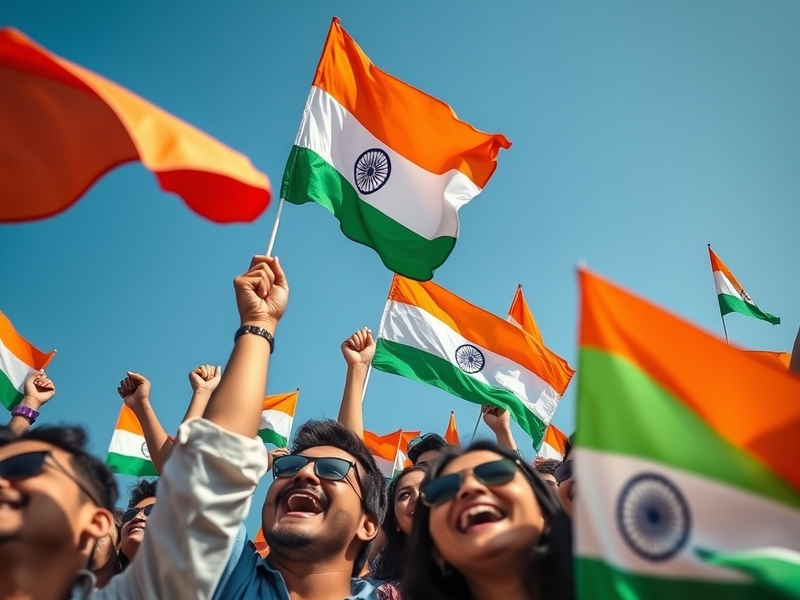
Independence Day isn’t just another date on the calendar. It’s a moment when communities pause to remember the struggles that shaped a nation and celebrate the freedoms that define it. This year, as fireworks light up the sky and parades fill the streets, it’s worth looking beyond the red, white, and blue to understand how Independence Day has evolved from a historical milestone into a living tradition.
Why Independence Day Still Matters Today
Independence Day marks the anniversary of a bold declaration—one that set in motion a chain of events leading to the birth of a new nation. But its significance extends far beyond history books. Today, the holiday serves as a reminder of the values that continue to shape society: liberty, justice, and the pursuit of happiness. It’s a day when people reflect on how far the country has come and how much work remains to live up to those ideals.
For many families, Independence Day is a time to reconnect. Barbecues, picnics, and gatherings become opportunities to share stories about ancestors who fought for freedom or contributed to the nation’s growth. These personal connections turn a national holiday into a deeply human experience. Schools often use the day to teach civic lessons, ensuring that younger generations understand the sacrifices behind the celebrations.
Yet, the holiday also invites critical conversations. In recent years, discussions about patriotism have expanded to include debates about inclusivity and equality. How do we honor the past while addressing the challenges of the present? This tension makes Independence Day more than a celebration—it’s a conversation starter.
The Many Ways Americans Celebrate
Independence Day is one of the most visually and emotionally expressive holidays in the United States. The traditions vary widely, reflecting the country’s diversity and regional pride. In small towns, parades feature marching bands, antique cars, and local organizations. In cities, concerts and fireworks draw massive crowds, turning public spaces into temporary communities. Each celebration, whether big or small, carries its own unique flavor.
Food is central to the festivities. Grilling burgers and hot dogs, baking apple pies, and serving cold lemonade are almost universal rituals. But regional specialties add a distinct twist: in the South, you might find ribs and cornbread; in the Southwest, fajitas and salsa verde; in New England, clam bakes and blueberry desserts. These culinary traditions aren’t just about taste—they’re a way to honor local heritage.
For those who prefer quieter observances, Independence Day offers plenty of alternatives. Some visit historical sites like Philadelphia’s Independence Hall or Boston’s Freedom Trail. Others take part in volunteer activities, from cleaning up parks to supporting veterans. These acts of service turn celebration into action, reinforcing the idea that freedom requires ongoing commitment.
- Outdoor concerts and movie screenings in parks
- Fairs featuring carnival rides, games, and local crafts
- Historical reenactments at sites like Williamsburg, Virginia
- Community service projects organized by local groups
- Fireworks displays synchronized with patriotic music
Independence Day in Pop Culture and Media
Pop culture has long shaped how Americans perceive Independence Day. Movies like Independence Day and 1776 have cemented the holiday’s place in the national imagination, blending history with spectacle. Music also plays a key role—songs like “God Bless America” and “Born in the U.S.A.” become anthems during July. Even advertising leans into the patriotic theme, with brands selling everything from patriotic-themed clothing to red, white, and blue snacks.
Social media amplifies these cultural moments. Hashtags like #FourthOfJuly and #IndependenceDay trend every year, showcasing everything from family photos to creative fireworks displays. Memes and viral videos add humor and relatability, turning a national holiday into a shared online experience. Yet, this digital celebration isn’t without controversy. Some criticize the commercialization of the holiday, arguing that the focus on consumption overshadows its deeper meaning.
Documentaries and news specials often revisit pivotal moments in American history around this time. They remind viewers of the courage of the Founding Fathers, the brutality of the Revolutionary War, and the contradictions in the nation’s founding ideals. These programs encourage reflection, pushing audiences to consider how the past informs the present.
Travel and Tourism: A Boost for Local Economies
Independence Day is a major economic driver, particularly for destinations known for their patriotic celebrations. Cities like Boston, Philadelphia, and Washington, D.C., attract tourists eager to experience history firsthand. The National Mall in D.C. hosts massive fireworks displays, while Boston’s Harborfest offers a week-long festival with concerts, reenactments, and boat tours. These events inject millions into local economies, supporting hotels, restaurants, and small businesses.
For outdoor enthusiasts, the holiday weekend is prime time for road trips. National parks, beaches, and campgrounds fill up quickly as families seek to combine celebration with adventure. The National Park Service reports a surge in visitors during the summer months, with many choosing to celebrate in natural settings. This trend highlights a shift in how people prefer to mark the occasion—closer to nature and away from crowded cities.
However, the travel boom isn’t without challenges. Rising gas prices and crowded highways can dampen the experience for some. Airbnb and hotel prices spike in popular destinations, making it harder for budget-conscious travelers to enjoy the holiday. These realities force a conversation about accessibility and how to make Independence Day celebrations inclusive for all.
For those looking to explore beyond the usual hotspots, smaller towns offer a quieter alternative. Places like Williamsburg, Virginia, or Cooperstown, New York, provide a mix of history, charm, and local flavor. These destinations often feature unique events, from colonial-era fairs to baseball tournaments, giving travelers a fresh perspective on the holiday.
Whether you’re watching fireworks over the National Mall, grilling in a backyard, or exploring a historic town, Independence Day offers something for everyone. It’s a day that balances joy with reflection, tradition with innovation, and community with individuality. As the sun sets on July 4th, the celebrations may end, but the conversations and connections they spark endure long after the last sparkler fades.
This year, as you gather with loved ones or enjoy a moment of quiet reflection, take a moment to consider what freedom means to you. How can you carry its spirit forward, not just on Independence Day, but every day?