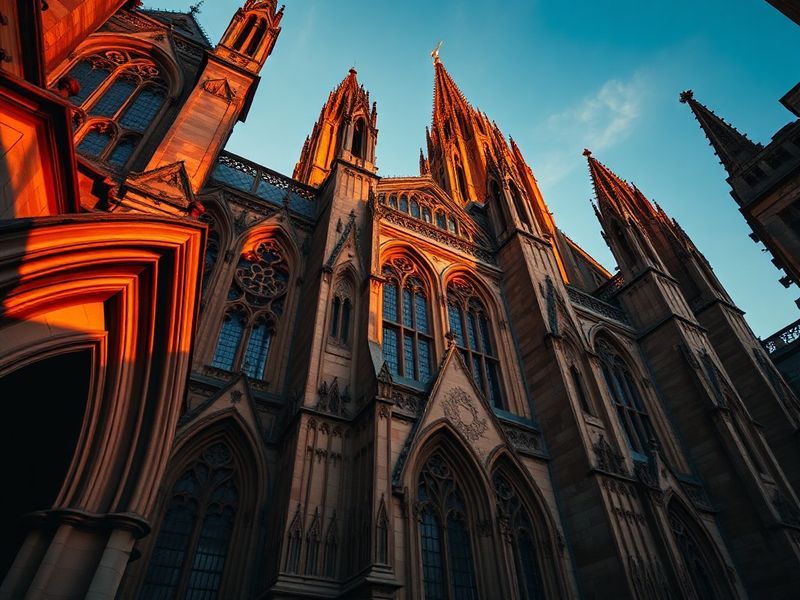
Liverpool Cathedral: A Monument of Faith and Engineering in the Heart of the UK
Rising above the skyline of Liverpool like a stone sentinel, the city’s cathedral is more than a place of worship. Completed in 1978, it stands as the largest cathedral in the UK and the fifth largest in the world, a testament to both spiritual ambition and architectural ingenuity. Unlike many grand European cathedrals built over centuries, Liverpool Cathedral was constructed in a single, concentrated effort over just 50 years. Its story reflects the city’s maritime prosperity, its role as a global port of migration, and its enduring cultural identity.
From its Gothic Revival towers to its modernist interior, the cathedral embodies a blend of tradition and innovation. It is a site where history, faith, and community intersect—serving not only as a place of Christian worship but also as a cultural landmark, concert venue, and symbol of Liverpool’s resilience. As one of the city’s most recognizable features, it draws visitors from across the globe, offering views that stretch from the Welsh hills to the Irish Sea.
The Architectural Vision Behind a British Icon
Designed by Giles Gilbert Scott, the same architect behind the iconic red telephone box, Liverpool Cathedral was conceived in the late 19th century as a response to the city’s rapid growth and spiritual needs. Scott’s Gothic Revival style—characterized by pointed arches, ribbed vaults, and flying buttresses—was a deliberate nod to the great medieval cathedrals of Europe. Yet, the cathedral’s scale was unprecedented in modern Britain: its central tower reaches 331 feet (101 meters), making it the tallest building in Liverpool.
The construction process was a marathon, beginning in 1904 and continuing through two world wars. Despite interruptions, the cathedral’s completion in 1978 marked a moment of national pride. Today, its interior is equally impressive, featuring one of the largest and heaviest organs in the world—weighing over 35 tons—and stained-glass windows that tell biblical narratives through vibrant, intricate designs. The cathedral’s acoustics make it a premier venue for choral music, hosting performances by the Royal Liverpool Philharmonic Orchestra and the Liverpool Cathedral Choir, which has toured internationally.
A Global Crossroads of Faith and Migration
Liverpool’s history as a global port city is deeply embedded in the cathedral’s identity. From the 18th to the 20th centuries, millions of migrants passed through Liverpool on their way to the Americas, Africa, and beyond. The cathedral became a spiritual anchor for these travelers, a place where diverse communities—Irish, Scandinavian, West African, and Chinese—found solace and community. Today, its congregations reflect this legacy, with services in multiple languages and outreach programs supporting refugees and asylum seekers.
The cathedral also plays a key role in interfaith dialogue. While rooted in Anglican tradition, it has hosted events with Jewish, Muslim, and Hindu communities, emphasizing Liverpool’s reputation as a city of tolerance. This openness is echoed in the cathedral’s outreach programs, which include food banks, homeless shelters, and mental health initiatives. In a time when religious and cultural divides often dominate headlines, Liverpool Cathedral stands as a quiet but powerful example of inclusivity.
More Than a Building: A Living Cultural Hub
Beyond its religious functions, the cathedral is a vital part of Liverpool’s cultural ecosystem. It hosts the annual Liverpool Cathedral Festival, a month-long celebration of music, art, and literature that attracts international artists. The festival’s lineup often features world-renowned composers and orchestras, reinforcing the cathedral’s status as a premier arts destination.
The cathedral also serves as a venue for major public events. From Remembrance Day services attended by veterans and dignitaries to concerts broadcast on BBC Radio, it remains a stage for both solemnity and celebration. Its visitor center offers guided tours that delve into its history, architecture, and social impact, making it a must-see for tourists exploring Liverpool’s cultural landmarks.
Here are some of the cathedral’s most notable features:
- The Great Organ: Installed in 1924, it contains over 9,700 pipes and is one of the most recorded organs in the world.
- The Lady Chapel: A serene space adorned with 19th-century stained glass and a marble altar, used for private prayer and small services.
- The Tower Tour: Visitors can climb 190 steps to the top of the tower for panoramic views of the city and beyond.
- Community Outreach: Programs include the Cathedral Homeless Services and the Liverpool Cathedral Foodbank, supporting over 5,000 people annually.
Liverpool Cathedral in the 21st Century: Preservation and Legacy
Like many historic landmarks, Liverpool Cathedral faces challenges in the 21st century. Aging stonework, rising maintenance costs, and the need for modern accessibility upgrades require ongoing fundraising and restoration. The cathedral’s trustees have launched major campaigns to preserve its fabric, including a recent £10 million restoration of the Great George Bell Tower. These efforts ensure that the cathedral remains not just a relic of the past, but a living, breathing space for future generations.
Its global significance was further cemented in 2017 when it was awarded Grade I listed status, recognizing it as a building of exceptional historic and architectural importance. This designation has drawn international attention, with scholars and tourists alike studying its role in the broader narrative of British religious and social history.
For many, Liverpool Cathedral is more than an architectural marvel—it is a symbol of what a city can achieve when faith and ambition converge. It reflects Liverpool’s journey from a bustling port to a UNESCO City of Music, a place where history is not just remembered, but actively celebrated. Whether viewed from afar or explored up close, the cathedral remains a powerful reminder of how buildings can shape identity, foster community, and transcend their original purpose.
As Liverpool continues to evolve, the cathedral stands as both a guardian of tradition and a beacon of progress. It invites visitors to look upward, not just at its towering spires, but at the values it represents: resilience, inclusivity, and the enduring power of collective human endeavor.