How Alaska Air Group Became a Top Airline Without Chasing Growth
“`html
Alaska Air Group: How a Regional Carrier Became a National Contender
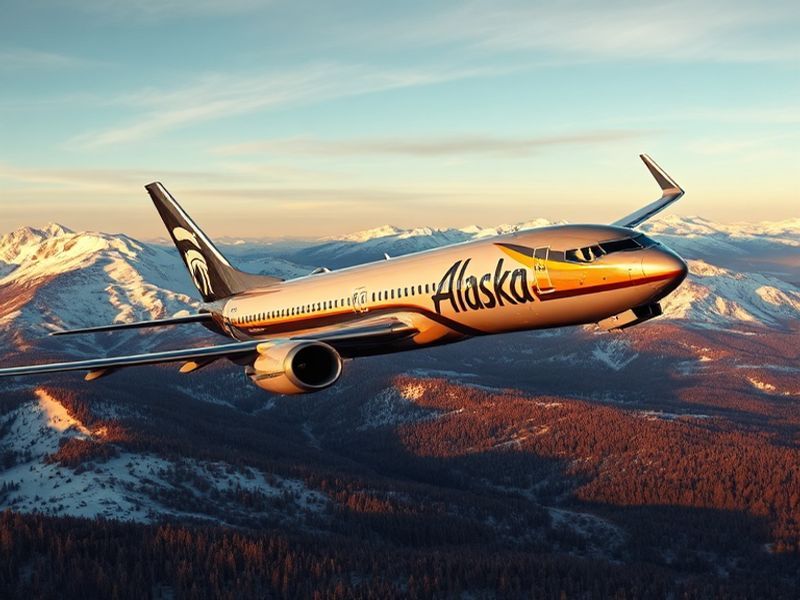
Alaska Air Group, the parent company of Alaska Airlines and Horizon Air, has quietly transformed from a Pacific Northwest-focused carrier into one of the most respected airlines in the United States. With a reputation for customer service, operational reliability, and strategic expansion, the airline has outperformed larger competitors in key metrics year after year. While it may not operate the largest fleet or serve the most destinations, Alaska Air Group’s approach to business has made it a standout in an industry often defined by chaos and inconsistency.
The Rise of Alaska Airlines: From Local Favorite to Industry Leader
Founded in 1932 as McGee Airways, Alaska Airlines began as a tiny operator serving remote Alaskan communities. Over the decades, it expanded cautiously, focusing on reliability and service rather than rapid growth. The airline’s commitment to punctuality and customer care set it apart from competitors, particularly in an era when flight delays and cancellations were commonplace.
In 2016, Alaska Airlines made a bold strategic move by acquiring Virgin America, a sleek, modern airline with a strong presence in California and the West Coast. The merger was a calculated risk, combining Alaska’s operational discipline with Virgin America’s tech-savvy approach to customer experience. The integration was remarkably smooth, a rarity in the airline industry, and resulted in a stronger, more competitive carrier.
Today, Alaska Air Group operates over 300 aircraft, serving more than 120 destinations across the U.S., Mexico, Canada, and Costa Rica. Its loyalty program, Mileage Plan, is frequently ranked among the best in the industry, offering valuable rewards without the complexity of some larger competitors. This focus on customer satisfaction has translated into tangible results: Alaska Airlines has consistently ranked at the top of the American Customer Satisfaction Index (ACSI) for airlines.
Key Factors Behind Alaska Air Group’s Success
- Operational Excellence: Alaska Airlines has one of the best on-time performance records in the industry, a critical factor for customer satisfaction.
- Strategic Mergers: The Virgin America acquisition expanded its reach while maintaining its culture and values.
- Loyalty Program Strength: Mileage Plan offers flexible redemption options and strong elite benefits, driving customer retention.
- Employee Engagement: The airline invests heavily in employee training and satisfaction, which translates to better customer service.
Horizon Air: The Unsung Hero of Alaska Air Group
While Alaska Airlines often steals the spotlight, Horizon Air plays a crucial role within the group. As a regional airline operating under the Alaska brand, Horizon connects smaller markets to Alaska Airlines’ broader network. With a fleet of Bombardier Q400 turboprops, Horizon serves destinations that larger jets cannot efficiently reach, ensuring that communities like Boise, Spokane, and Santa Rosa remain connected to major hubs.
Horizon Air’s role extends beyond logistics. The airline has been a training ground for pilots and crew members who later transition to Alaska Airlines, ensuring a steady pipeline of experienced professionals. This internal mobility has helped Alaska Air Group maintain consistency in service quality across its brands.
However, Horizon Air has faced challenges, particularly in recent years. The grounding of its entire fleet in 2020 due to safety concerns was a significant setback, followed by the COVID-19 pandemic’s devastating impact on regional air travel. Despite these hurdles, Horizon has rebounded, demonstrating the resilience of Alaska Air Group’s overall strategy.
The Broader Implications: What Alaska Air Group Teaches the Industry
Alaska Air Group’s success offers valuable lessons for the airline industry, which has long been plagued by inefficiency, poor customer service, and financial instability. One of the most critical takeaways is the importance of focusing on what you do best rather than chasing rapid expansion. While competitors like American, Delta, and United have struggled with mergers and integration challenges, Alaska Air Group has grown methodically, prioritizing stability and customer satisfaction.
Another lesson is the value of a strong corporate culture. Alaska Airlines has cultivated a reputation for treating both employees and customers well, a stark contrast to the cutthroat environment often found in the airline industry. This culture has translated into tangible benefits, from higher employee retention rates to lower customer complaint volumes.
The airline’s approach to technology also sets it apart. While other carriers have struggled with outdated systems and glitchy booking platforms, Alaska Airlines has invested in user-friendly digital tools. Its mobile app, for example, consistently ranks among the best in the industry for functionality and ease of use. This focus on technology has not only improved the customer experience but also streamlined operations.
Looking ahead, Alaska Air Group faces new challenges, including rising fuel costs, labor shortages, and increasing competition from ultra-low-cost carriers. However, its track record suggests that it is well-equipped to navigate these obstacles. By staying true to its core values—reliability, customer service, and operational discipline—Alaska Air Group has positioned itself as a model for how to run an airline in the 21st century.
Conclusion: A Model for the Industry
Alaska Air Group’s journey from a regional carrier to a national contender is a testament to the power of strategic thinking and customer-centric values. While it may not be the largest or flashiest airline, it has earned the trust of travelers through consistency and reliability. In an industry where excellence is rare and disappointment is common, Alaska Air Group stands out as an example of how to do things right.
For passengers tired of the chaos that often defines air travel, Alaska Airlines offers a refreshing alternative. And for the industry at large, its success serves as a blueprint for how to build a sustainable, customer-focused business in one of the most challenging sectors in the world.
As Alaska Air Group continues to grow, its ability to maintain the delicate balance between expansion and operational excellence will be key. If it succeeds, it could redefine what it means to be a major airline in the United States.
For more industry insights, explore our Travel and Business sections on Dave’s Locker.