Barclays: A Banking Legacy Spanning Centuries and Continents
Founded in 1690, Barclays has grown from a modest goldsmith banking business in London to one of the most recognizable financial institutions worldwide. Its journey mirrors the evolution of global finance, adapting to economic revolutions, technological leaps, and shifting cultural attitudes toward money. Today, Barclays operates in over 40 countries, serving millions of customers while maintaining a presence in the heart of London’s financial district.
The bank’s history is deeply intertwined with the development of modern capitalism. It played a pivotal role in financing the Industrial Revolution, underwriting railroads, and supporting early global trade ventures. By the 20th century, Barclays had expanded beyond British shores, establishing itself as a key player in international finance. Its global footprint now includes operations in the Americas, Europe, Africa, and Asia, making it a symbol of financial interconnectedness.
The Evolution of Barclays in a Changing Financial Landscape
Barclays has navigated seismic shifts in the financial world, from the gold standard to digital banking. In the 1980s, deregulation in the UK reshaped the banking sector, prompting Barclays to diversify its services. It expanded into investment banking, corporate lending, and wealth management, positioning itself as a full-service institution rather than a traditional retail bank.
The 2008 financial crisis tested Barclays’ resilience. While other banks collapsed or required bailouts, Barclays avoided nationalization by raising capital privately and divesting non-core assets. This period reinforced its reputation as a survivor, though it also faced scrutiny over its role in the crisis, particularly regarding subprime mortgage exposure.
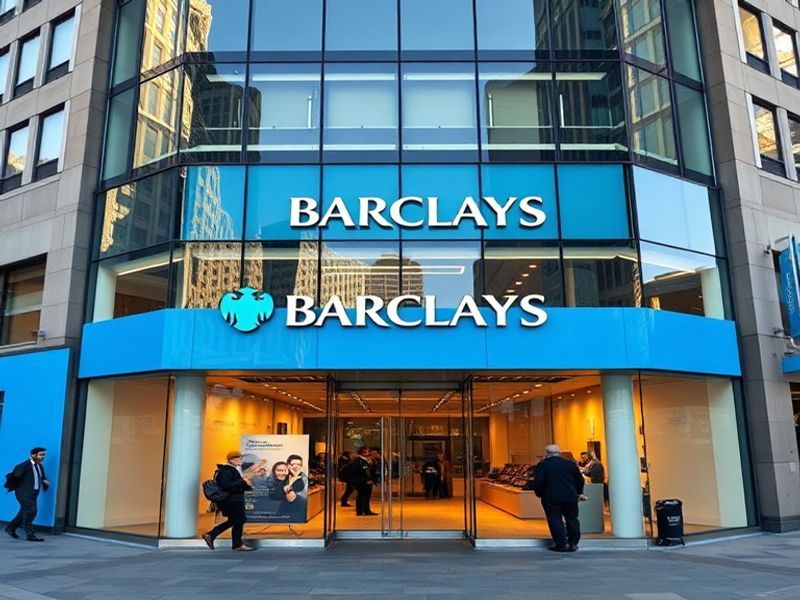
In recent years, Barclays has embraced digital transformation. Mobile banking, AI-driven customer service, and blockchain initiatives reflect its commitment to staying relevant in an era where fintech startups challenge traditional banking models. Yet, it retains its historic identity—visible in the iconic blue eagle logo that has symbolized trust and stability for generations.
Barclays’ Cultural and Economic Influence
Beyond balance sheets and interest rates, Barclays shapes cultural narratives around money. Its sponsorship of the Premier League, one of the most-watched sports leagues globally, embeds the brand in popular culture. Millions associate Barclays with the thrill of football, even if they never step inside a branch. This strategic alignment bridges finance and entertainment, reinforcing Barclays’ role as a modern, accessible institution.
The bank’s involvement in Africa’s economic development is another testament to its global reach. Through initiatives like the Barclays Africa Group, it supports small businesses, agricultural financing, and digital banking solutions tailored to local needs. In regions where traditional banking infrastructure is lacking, Barclays leverages mobile technology to bring financial services to underserved populations.
However, Barclays’ influence isn’t universally celebrated. Critics argue that its investment banking arm fuels inequality by prioritizing profit over social impact. Scandals, such as the 2012 Libor rigging scandal, have tarnished its reputation, leading to fines and public distrust. These controversies highlight the tension between Barclays’ historic legacy and its contemporary challenges.
Challenges and Opportunities in the 21st Century
As Barclays looks to the future, it faces a landscape fraught with both disruption and opportunity. The rise of cryptocurrencies and decentralized finance poses a direct challenge to traditional banking models. Barclays has experimented with crypto trading and blockchain, but skepticism remains about how deeply it can integrate these innovations without compromising stability.
Regulatory pressures also loom large. Post-Brexit, Barclays must navigate a fragmented European market while maintaining its London headquarters. The bank’s leadership has emphasized cost-cutting and efficiency, but these measures often clash with demands for greater transparency and ethical banking.
Yet, Barclays’ global diversity offers a competitive edge. Its operations in emerging markets, such as India and the Middle East, provide growth opportunities where traditional banks still dominate. By tailoring products to local economies—like microloans in Kenya or Sharia-compliant financing in the Gulf—Barclays adapts rather than imposes its model.
For those interested in the intersection of finance and culture, Barclays serves as a case study in adaptation. It has weathered wars, depressions, and technological upheavals, proving that longevity in banking requires more than just capital—it demands cultural agility.
Key Takeaways About Barclays
- Historic Roots: Founded in 1690, Barclays is one of the oldest banks in the world, with a legacy tied to the Industrial Revolution and global trade.
- Global Reach: Operating in over 40 countries, Barclays balances local adaptation with a unified brand identity.
- Digital Evolution: The bank has embraced mobile banking and AI but faces competition from fintech disruptors.
- Cultural Impact: Sponsorships like the Premier League and initiatives in Africa demonstrate its role beyond traditional finance.
- Controversies: Scandals and ethical debates highlight the challenges of maintaining trust in a complex industry.
For readers intrigued by the intersection of finance and culture, Barclays offers a compelling narrative of survival, reinvention, and influence. Whether you’re a customer, investor, or simply an observer, its story reflects broader themes about the role of banks in shaping—and being shaped by—society.
To explore more about the financial sector’s evolution, visit our Business and Technology sections.
Conclusion: A Bank for the Ages
Barclays’ journey from a 17th-century goldsmith to a 21st-century financial conglomerate is a testament to its adaptability. It has weathered crises, embraced innovation, and embedded itself in global culture. Yet, its future hinges on navigating ethical dilemmas and technological disruption without losing sight of its core mission: to serve customers and communities.
As the financial world continues to evolve, Barclays remains a symbol of both tradition and transformation. Its story is far from over, and the lessons it offers about resilience, responsibility, and reinvention are invaluable in an era of constant change.