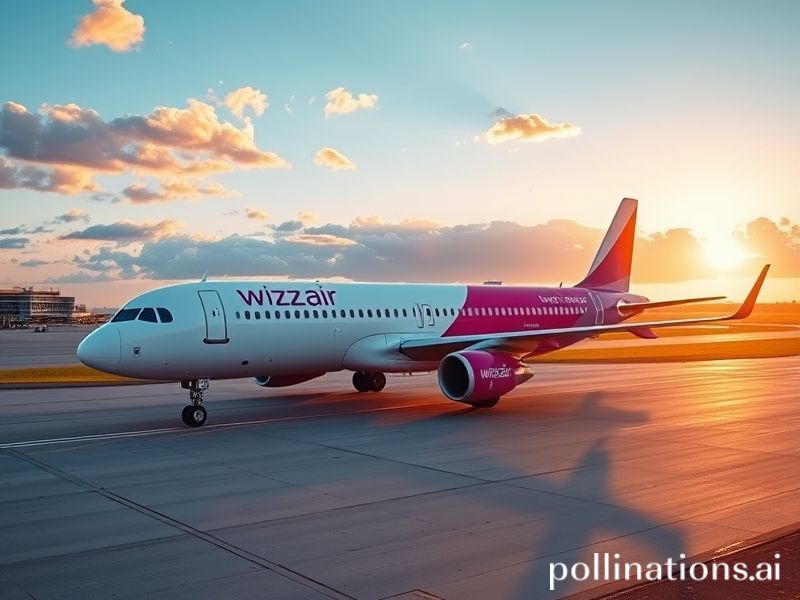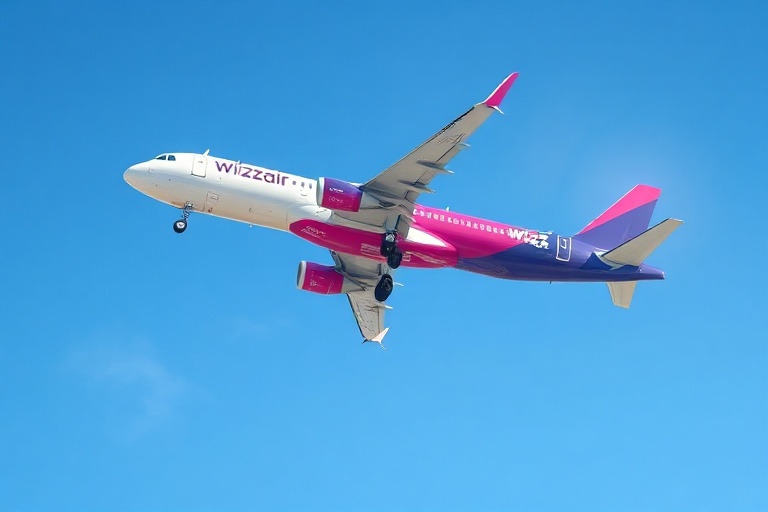
Established as a disruptor in the aviation industry, Wizz Air Holdings has grown into one of Europe’s most ambitious low-cost carriers. Since its inception in 2003, the airline has redefined air travel across the continent and beyond, challenging legacy carriers with its no-frills approach and aggressive expansion strategy. With a fleet of modern Airbus aircraft and a focus on secondary airports, Wizz Air has carved out a unique position in the market, appealing to budget-conscious travelers while steadily increasing its influence.
The Origins and Growth of Wizz Air
Wizz Air was founded in 1998 as Wizz Air Hungary, a subsidiary of the Hungarian state-owned Malév Hungarian Airlines. However, it wasn’t until 2003 that the airline began operations under its current name, following a strategic shift toward low-cost travel. The brainchild of industry veterans including József Váradi, who previously led Malév, Wizz Air was designed to serve Central and Eastern Europe, a region underserved by traditional airlines at the time.
The airline’s early years were marked by rapid expansion. By 2008, it had launched operations in Poland, Romania, and Bulgaria, leveraging the region’s growing demand for affordable air travel. Wizz Air’s business model—featuring unbundled fares, point-to-point routes, and a focus on secondary airports—allowed it to undercut competitors while maintaining profitability. This strategy proved particularly effective in markets where legacy carriers dominated primary hubs like London Heathrow or Paris Charles de Gaulle.
Today, Wizz Air Holdings operates under two subsidiaries: Wizz Air Hungary and Wizz Air UK. The company went public in 2015, listing on the London Stock Exchange, which provided the capital needed to accelerate fleet expansion and route development. As of 2024, Wizz Air serves over 200 destinations across 50 countries, with a fleet of more than 190 Airbus A320 and A321 aircraft. Its growth trajectory shows no signs of slowing, as it continues to target underserved markets and introduce new routes at a competitive pace.
Business Model and Competitive Edge
Wizz Air’s success hinges on its disciplined low-cost carrier (LCC) model, which prioritizes efficiency and customer affordability without sacrificing operational reliability. Unlike full-service airlines, Wizz Air unbundles its fares, allowing passengers to pay only for the services they need. This includes optional add-ons such as checked baggage, seat selection, and in-flight meals, which generate additional revenue streams for the airline.
The airline’s reliance on secondary airports is another key differentiator. By operating out of smaller, less congested airports—such as London Luton instead of Heathrow or Rome Ciampino instead of Fiumicino—Wizz Air reduces landing fees and turnaround times, enabling faster aircraft utilization. This approach not only lowers costs but also appeals to travelers looking to avoid the crowds and high prices associated with major hubs.
Wizz Air also invests heavily in digitalization. Its mobile app and website streamline the booking process, while its dynamic pricing system adjusts fares in real-time based on demand. The airline’s loyalty program, Wizz Plus, offers perks like free checked baggage and priority boarding for frequent flyers, further enhancing customer retention. These innovations have helped Wizz Air maintain a lean operational structure while delivering consistent value to passengers.
Key Elements of Wizz Air’s Business Model
- Unbundled fares: Customers pay for services they actually use, such as baggage or seat selection.
- Secondary airports: Avoids high costs associated with major hubs, reducing operational expenses.
- Digital-first approach: Mobile app and website optimize booking and customer service.
- Fleet efficiency: A modern, standardized Airbus fleet reduces maintenance and training costs.
- Ancillary revenue: Additional services like priority boarding and in-flight purchases boost profitability.
Expansion Strategy and Market Impact
Wizz Air’s expansion strategy is twofold: geographic and fleet-based. Geographically, the airline has aggressively targeted Central and Eastern Europe, where demand for affordable travel remains high. Countries like Poland, Hungary, and Romania serve as key markets, but Wizz Air has also ventured into Western Europe, launching bases in cities like London, Berlin, and Barcelona. This dual approach allows the airline to balance growth in mature markets with opportunities in developing regions.
The company’s fleet expansion is equally ambitious. Wizz Air has placed significant orders for Airbus A321neo aircraft, which offer improved fuel efficiency and greater capacity. As of 2024, the airline operates one of the youngest and most fuel-efficient fleets in Europe, with an average aircraft age of just 5.5 years. This not only reduces operating costs but also aligns with the airline’s commitment to sustainability, as newer aircraft produce fewer emissions per passenger.
Wizz Air’s growth has not gone unnoticed by competitors. Legacy carriers like Lufthansa, Ryanair, and easyJet have been forced to adapt their pricing and route strategies in response to Wizz Air’s aggressive expansion. In some markets, such as Italy and Spain, Wizz Air has become a dominant player, capturing market share from both traditional airlines and other LCCs. Its ability to enter new markets quickly and scale operations efficiently has set a benchmark for the industry.
However, Wizz Air’s expansion is not without challenges. Regulatory hurdles, airport capacity constraints, and rising fuel costs pose ongoing risks. The airline has also faced criticism for its labor practices, including reports of understaffing and high workloads for crew members. Addressing these issues will be critical as Wizz Air continues to grow and attract more passengers.
Sustainability and Future Prospects
As Europe’s aviation sector faces increasing pressure to reduce its environmental footprint, Wizz Air has taken steps to position itself as a leader in sustainability. The airline has committed to achieving net-zero carbon emissions by 2050, aligning with the broader goals of the International Air Transport Association (IATA). To reach this target, Wizz Air is investing in sustainable aviation fuels (SAFs), which can reduce carbon emissions by up to 80% compared to traditional jet fuel.
Wizz Air has also introduced carbon offset programs, allowing passengers to contribute to environmental initiatives when booking flights. While these efforts are commendable, they are not without controversy. Some critics argue that carbon offsetting is not a long-term solution and that the aviation industry must prioritize technological advancements, such as electric or hydrogen-powered aircraft, to achieve true sustainability. Wizz Air acknowledges these challenges and continues to explore alternative fuel sources and operational efficiencies.
Looking ahead, Wizz Air’s future prospects remain strong, driven by its relentless expansion and adaptability. The airline is well-positioned to capitalize on the post-pandemic recovery of air travel, particularly in markets where demand for affordable flights is surging. Additionally, Wizz Air’s focus on digitalization and ancillary revenue streams positions it favorably against competitors that rely solely on ticket sales.
However, the airline’s growth will depend on its ability to navigate regulatory landscapes, manage operational risks, and address sustainability concerns. If Wizz Air can strike a balance between expansion and responsibility, it could solidify its position as Europe’s premier low-cost carrier for years to come.
Wizz Air Holdings has transformed the European aviation landscape through innovation, efficiency, and relentless expansion. As it continues to evolve, the airline’s impact on the industry—and its role in shaping the future of air travel—will be closely watched by passengers, competitors, and investors alike.
For travelers seeking affordable flights across Europe and beyond, Wizz Air remains a compelling choice. Whether you’re planning a quick getaway or a longer journey, the airline’s extensive network and competitive pricing make it a standout option in the crowded low-cost market.