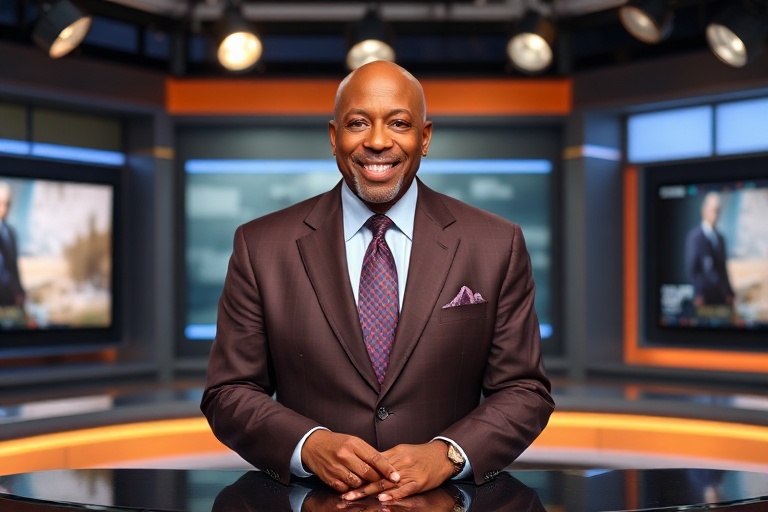
Byron Allen: How a Media Mogul Built an Empire
“`html
Byron Allen: The Media Mogul Shaping Modern Entertainment
Byron Allen stands as one of the most influential yet understated figures in modern media. Over the past four decades, he has transformed from a child actor into a powerhouse executive, building a media empire that spans television, film, and digital platforms. His journey reflects not just personal ambition but a strategic vision that has redefined how content is produced, distributed, and consumed.
The Early Years: From Child Actor to Media Visionary
Born in Detroit, Michigan, in 1960, Byron Allen began his career as an actor. At just 13 years old, he landed a role on the popular NBC sitcom The Days and Nights of Molly Dodd, making him one of the youngest performers to appear regularly on a primetime series. This early exposure to the entertainment industry sparked a lifelong fascination with media and storytelling.
By the mid-1980s, Allen had shifted his focus from performing to producing. He founded his first company, Entertainment Studios, in 1993, with a modest $500 loan. The venture initially struggled, but Allen’s persistence paid off. His breakthrough came when he secured a deal to produce and distribute Comics Unleashed, a syndicated show featuring stand-up comedy performances. This marked the beginning of his ascent as a content creator and distributor.
A Strategic Approach to Content Acquisition
Allen’s early success in comedy programming demonstrated his knack for identifying underserved markets. While major networks focused on scripted dramas and reality TV, he carved out a niche in syndicated comedy, which was often overlooked. His ability to acquire rights to existing content at low costs and repurpose it for broader distribution became a cornerstone of his business model.
By the early 2000s, Entertainment Studios had expanded into news and lifestyle programming. Allen recognized the growing demand for accessible, locally relevant content across cable and broadcast networks. His company began producing short-form news segments, weather updates, and entertainment news packages tailored for niche audiences.
Building an Empire: The Evolution of Entertainment Studios
Today, Entertainment Studios is a multi-billion-dollar enterprise with a portfolio that includes five 24-hour cable networks: Comedy.TV, JusticeCentral.TV, Cars.TV, Pets.TV, and Recipe.TV. These channels cater to specific interests, from pet owners to car enthusiasts, proving that targeted content can thrive in a fragmented media landscape. Allen’s strategy has always been to fill gaps in the market rather than compete directly with industry giants like Disney or Warner Bros.
The company’s reach extends beyond traditional TV. Entertainment Studios has aggressively pursued digital distribution, ensuring its content is available on platforms like Amazon Prime, Roku, and YouTube. This forward-thinking approach has allowed Allen to stay ahead of the curve as consumer habits shift toward streaming and on-demand viewing.
The Acquisition of The Weather Channel
One of Allen’s most significant moves came in 2018 when he acquired The Weather Channel from IBM. The $300 million deal was a bold statement, proving that even in an era dominated by digital-first companies, traditional media assets still hold immense value. Under Allen’s leadership, The Weather Channel has expanded its digital presence, launching apps and partnerships that deliver hyper-local forecasts and severe weather alerts.
This acquisition also underscored Allen’s ability to identify undervalued assets and revitalize them. The Weather Channel, once seen as a niche service, has become a critical resource for millions of Americans, particularly in an era of increasing extreme weather events.
Byron Allen’s Influence on Diversity in Media
Beyond his business achievements, Allen has been a vocal advocate for diversity in Hollywood. His rise as a Black media executive in an industry historically dominated by white males has made him a role model for aspiring creators of color. In interviews, Allen has frequently highlighted the lack of representation in media ownership, noting that less than 2% of television stations in the U.S. are owned by people of color.
Through Entertainment Studios, Allen has prioritized hiring diverse talent both in front of and behind the camera. The company’s programming often features stories and perspectives that mainstream networks overlook. For example, JusticeCentral.TV, one of the network’s flagship channels, focuses on legal news and stories from underrepresented communities, offering a counterpoint to sensationalized crime coverage on other outlets.
A Commitment to Local Journalism
Allen has also invested in local news, a sector that has seen significant decline in recent years. In 2020, Entertainment Studios acquired a majority stake in Local Media Group, a company that owns and operates local television stations across the U.S. This move was part of Allen’s broader effort to preserve local journalism, which he argues is essential for democratic discourse.
The acquisition came at a critical time. Many local newsrooms have shuttered due to declining ad revenues, leaving communities without reliable sources of information. Allen’s commitment to local journalism reflects his belief that media should serve the public good, not just corporate interests.
The Future of Entertainment Studios and Beyond
Looking ahead, Byron Allen shows no signs of slowing down. In 2023, he announced plans to launch a new streaming service, Allen Media Network, which will aggregate content from Entertainment Studios’ vast library alongside original productions. The service aims to compete with established platforms like Netflix and Hulu by offering a mix of niche and mainstream content at an affordable price.
Allen has also hinted at further acquisitions, potentially expanding into film production or international markets. His long-term vision appears to be building a vertically integrated media company that controls content from creation to distribution—a model that has proven successful for industry titans like Disney and Comcast.
Challenges and Controversies
Despite his success, Allen has faced criticism and legal challenges. In 2021, a group of civil rights organizations filed a complaint with the Federal Communications Commission (FCC), alleging that Allen’s companies had engaged in discriminatory hiring practices. Allen denied the allegations, and the case remains unresolved, highlighting the ongoing struggles for diversity in media leadership.
Additionally, some industry analysts question whether Entertainment Studios’ business model is sustainable in the long term. The shift toward streaming has intensified competition, and Allen’s reliance on syndicated content could be a disadvantage if major platforms begin producing more original programming.
However, Allen’s track record suggests he is more than capable of adapting. His ability to pivot from comedy programming to news, weather, and digital distribution demonstrates a flexibility that many of his peers lack.
Why Byron Allen Matters
Byron Allen’s career offers a masterclass in strategic media entrepreneurship. His story is not just one of personal success but of reshaping an industry. By focusing on underserved audiences and leveraging overlooked content, he has built an empire that challenges the dominance of traditional media conglomerates.
For aspiring media professionals, Allen’s journey underscores the importance of persistence, adaptability, and a deep understanding of audience needs. His commitment to diversity also serves as a reminder that representation in media ownership is just as critical as representation on screen.
As Entertainment Studios continues to grow, Allen’s influence will likely extend even further. Whether through new acquisitions, innovative streaming platforms, or continued advocacy for diversity, he is poised to remain a key player in the media landscape for years to come.
For those interested in the business of media, Allen’s career provides valuable lessons in identifying opportunities where others see obstacles. His story is a testament to the power of vision—and the willingness to take calculated risks.
To explore more about the business of media and entertainment, visit our Entertainment section. For deeper analysis on media trends, check out our News category.
Key Takeaways
- Early Start: Byron Allen began his career as a child actor before transitioning into producing and distribution.
- Niche Programming: His success stems from identifying underserved markets, such as syndicated comedy and local news.
- Diversity Advocate: Allen has used his platform to push for greater representation in media ownership and content creation.
- Strategic Acquisitions: Purchases like The Weather Channel and Local Media Group highlight his ability to revitalize and expand media assets.
- Future Plans: The upcoming Allen Media Network streaming service aims to disrupt the crowded streaming market with affordable, targeted content.