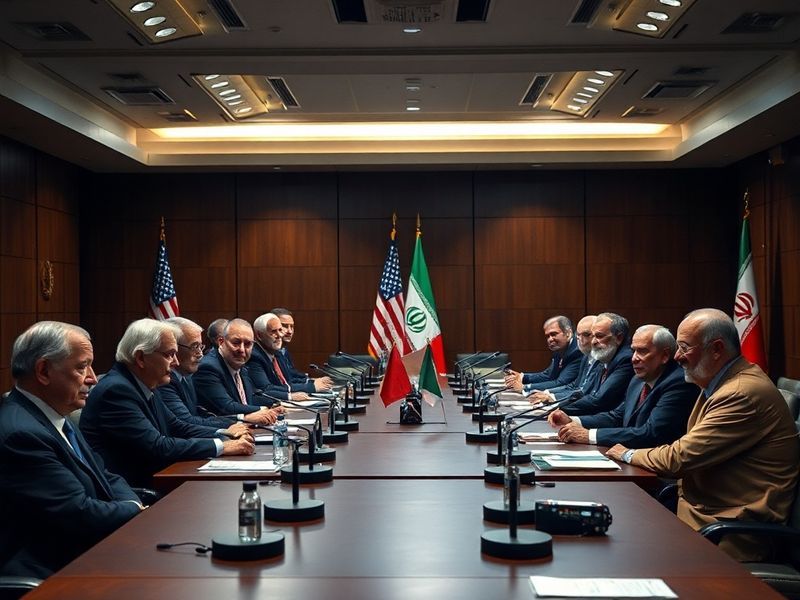
US-Iran Relations: A Timeline of Tensions and Diplomatic Deadlock
“`html
US-Iran Relations: A Global Chessboard of Tensions and Diplomacy
For decades, the relationship between the United States and Iran has been one of the most volatile on the global stage. What began as a Cold War-era alliance in the 1950s unraveled into decades of hostility, sanctions, and proxy conflicts. Today, the dynamics between Washington and Tehran continue to shape Middle Eastern geopolitics, influence oil markets, and test the limits of international diplomacy.
The Historical Roots of US-Iran Tensions
The modern conflict traces back to 1953, when the CIA and British intelligence orchestrated the overthrow of Iran’s democratically elected Prime Minister Mohammad Mossadegh. The coup reinstated the Shah, Mohammad Reza Pahlavi, who became a key US ally during the Cold War. Yet by 1979, the Iranian Revolution erupted, toppling the monarchy and installing an Islamic Republic under Ayatollah Ruhollah Khomeini. The subsequent hostage crisis at the US Embassy in Tehran cemented decades of mutual distrust.
Following the 1979 revolution, the US imposed economic sanctions, severed diplomatic ties, and designated Iran a state sponsor of terrorism. Iran, in turn, accused the US of meddling in its internal affairs and supporting regional adversaries. The 1980s saw proxy conflicts in Lebanon and Iraq, while the 1990s and early 2000s were marked by Iran’s nuclear ambitions and international condemnation.
Key Moments in the US-Iran Standoff
- 2002: President George W. Bush labels Iran part of an “Axis of Evil,” escalating tensions.
- 2015: The Joint Comprehensive Plan of Action (JCPOA), or Iran nuclear deal, is signed, offering sanctions relief in exchange for curbs on Iran’s nuclear program.
- 2018: President Donald Trump withdraws the US from the JCPOA and reimposes sanctions, straining global diplomacy.
- 2020: The US assassinates Iranian General Qasem Soleimani, prompting Iran to retaliate with missile strikes on US bases in Iraq.
- 2022: Protests erupt in Iran following the death of Mahsa Amini, drawing international attention and criticism of US inaction.
Diplomatic Deadlock and Regional Proxy Wars
Despite periodic attempts at dialogue, diplomatic efforts between the US and Iran remain stalled. The JCPOA, once hailed as a diplomatic breakthrough, now exists in name only. Iran has steadily increased uranium enrichment levels, while the US maintains a policy of “maximum pressure” through sanctions. Meanwhile, both nations engage in indirect negotiations, often through intermediaries like Qatar or Oman.
Regionally, the proxy conflict plays out in Syria, Yemen, Iraq, and Lebanon. Iran supports militant groups like Hezbollah and Houthi rebels, while the US backs allies such as Saudi Arabia and Israel. The 2023 Israel-Hamas war further complicated the equation, with Iran’s involvement drawing US warnings against escalation.
The humanitarian cost of these proxy wars is immense. Yemen’s devastating civil war, fueled by Saudi-led airstrikes and Iranian-backed Houthi attacks, has pushed millions to the brink of famine. In Syria, Iran’s military intervention prolonged the conflict, displacing over half the population. These crises underscore how US-Iran tensions spill far beyond their borders.
The Human Impact: Sanctions, Protests, and Civil Society
Sanctions have crippled Iran’s economy, leading to hyperinflation, unemployment, and shortages of medicine and food. While intended to pressure the government, they often harm ordinary citizens. The Biden administration has attempted to ease restrictions, but progress remains limited. Meanwhile, Iran’s government has responded to internal dissent with brutal crackdowns. The 2022 protests, sparked by the death of 22-year-old Mahsa Amini in police custody, became a global symbol of resistance. Demonstrators, particularly women, defied authorities by burning hijabs and chanting anti-regime slogans. The crackdown that followed killed over 500 people and led to thousands of arrests.
On the US side, Iranian-American communities face scrutiny and discrimination. Travel bans, immigration restrictions, and surveillance have created a climate of fear. Cultural exchanges, once a bridge between the two nations, have dwindled. Yet grassroots movements persist. Iranian musicians, filmmakers, and artists continue to share their work abroad, challenging stereotypes and fostering dialogue.
Looking Ahead: Can Dialogue Break the Cycle?
The path forward remains uncertain. Some analysts argue that the US and Iran may eventually return to indirect talks, possibly over prisoner swaps or regional de-escalation. Others warn that further escalation—whether through military strikes, cyberattacks, or economic warfare—could lead to a wider conflict. The role of third parties, including China and Russia, adds another layer of complexity. Both powers have deepened ties with Iran, complicating US efforts to isolate Tehran diplomatically.
Public sentiment in both countries is increasingly weary of confrontation. In the US, war fatigue and political polarization make military action less appealing. In Iran, years of economic hardship have fueled demands for change. Yet hardliners in both governments continue to resist compromise, prioritizing ideological purity over pragmatism.
One thing is clear: the US-Iran relationship is not just a bilateral issue. It is a global puzzle piece, influencing energy markets, security alliances, and human rights debates. As the world watches, the stakes could not be higher.
What’s Next for Observers and Policymakers
For those monitoring the situation, several key developments warrant attention:
- Nuclear Enrichment Levels: Iran’s uranium stockpile continues to grow, raising concerns about breakout potential.
- Regional Alliances: How will Iran’s growing ties with Russia and China reshape its relationship with the US?
- Humanitarian Crises: The impact of sanctions on Iranian civilians and displaced populations in conflict zones.
- Protest Movements: The resilience of Iran’s civil society and the government’s response to dissent.
- Diplomatic Channels: The potential for backchannel negotiations or multilateral agreements.
For a deeper look at how regional conflicts intersect with global power struggles, explore our Analysis section. To stay updated on cultural responses to political crises, visit our Culture page.
Ultimately, the US-Iran relationship reflects a broader truth about modern geopolitics: old wounds rarely heal cleanly. They fester, complicate, and demand constant attention. Whether through dialogue or confrontation, the choices made in Washington and Tehran will continue to reverberate across continents.