Scotland Snow: Winter’s Impact on Highlands and Travel
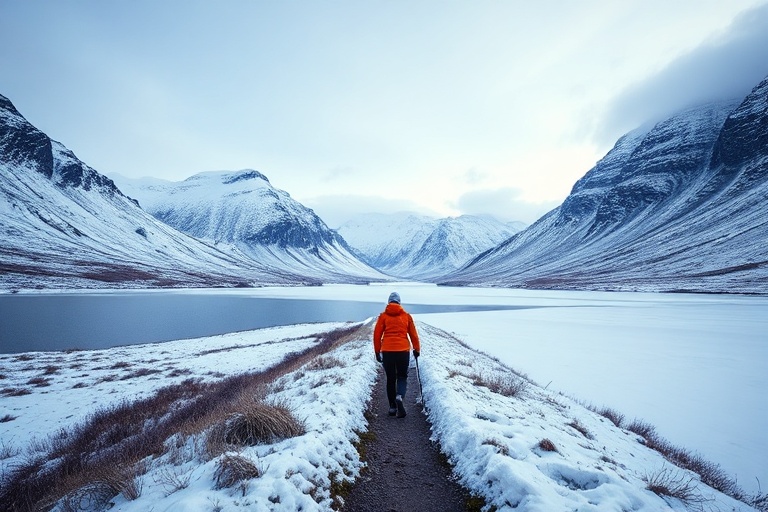
Scotland’s landscape changes dramatically when winter arrives, and snow plays a starring role in that transformation. From the rugged peaks of the Cairngorms to the rolling hills of the Southern Uplands, snow blankets the country in a way that feels both magical and unpredictable. While snowfall in Scotland isn’t unusual, the intensity and duration of winter weather can vary widely from year to year, creating challenges and opportunities alike.
This season’s snowfall has once again highlighted the resilience of Scottish communities and the allure of its winter scenery. But beyond the postcard-perfect images lie practical concerns: disrupted travel, strain on infrastructure, and the economic impact on tourism-dependent regions. Understanding Scotland’s relationship with snow means looking at both its natural patterns and the human response to them.
The Science Behind Scotland’s Snowfall
Scotland’s geography makes it particularly susceptible to snow, especially in higher elevations. The country’s position on the western edge of Europe exposes it to Arctic air masses, particularly during winter months. When cold air from the north clashes with moisture from the Atlantic, the result is often heavy snowfall across the Highlands and Islands.
Meteorologists point to several key factors that influence Scotland’s snow patterns:
- Altitude: Areas above 300 meters are far more likely to see snow, with the Cairngorms and Ben Nevis frequently receiving substantial accumulations.
- Latitude: Northern Scotland, including Shetland and Orkney, experiences snow more often than the southern regions.
- Ocean Currents: The Gulf Stream typically moderates temperatures, but when it weakens, colder air can dominate.
- Climate Change: While Scotland still sees significant snowfall, research suggests winters are becoming milder on average, though extreme events may still occur.
The unpredictability of Scotland’s snowfall is part of its charm—and its challenge. A single storm can dump over a foot of snow in the Highlands while leaving Glasgow relatively untouched, creating a patchwork of winter conditions across the country.
Impact on Travel and Infrastructure
Scotland’s road and rail networks are not always equipped to handle heavy snowfall, leading to delays, closures, and sometimes even stranded travelers. The A9, Scotland’s primary north-south highway, has been notorious for closures during severe winter weather, particularly in the Cairngorms area. Similarly, the West Highland Line, which connects Glasgow to Fort William and Mallaig, often faces disruptions due to snow on the tracks.
Air travel isn’t immune either. Edinburgh and Glasgow airports have occasionally had to delay or cancel flights during heavy snow, though modern de-icing technology has reduced some of the risks. Still, airports remain vulnerable to prolonged cold snaps.
The Scottish government and local councils invest heavily in snow clearance and gritting, but resources are stretched thin during extreme weather. Rural communities, in particular, can find themselves isolated for days when roads become impassable. This highlights the importance of community preparedness and alternative transportation plans in remote areas.
Winter Tourism: A Delicate Balance
For many businesses in Scotland, winter tourism is a double-edged sword. On one hand, snow-covered landscapes attract skiers, snowboarders, and winter hikers to resorts like Aviemore and Glenshee. These visitors inject vital revenue into local economies, supporting hotels, restaurants, and equipment rental shops. The ski season, though short, can be lucrative for those who rely on it.
On the other hand, inconsistent snowfall creates uncertainty. Ski resorts have had to diversify, offering activities like snowshoeing, winter wildlife tours, and cozy cabin stays to attract visitors even when slopes are bare. Some resorts have even invested in snow-making machines to ensure a reliable season, though this comes with its own environmental concerns.
Beyond skiing, Scotland’s winter charm draws travelers seeking the Northern Lights, frosty lochside walks, and festive markets. Edinburgh’s Christmas markets, for example, have become a major draw, with snow adding to the holiday atmosphere. However, businesses must balance the excitement of winter tourism with the practicalities of operating in harsh conditions.
For those planning a winter trip to Scotland, flexibility is key. Checking weather forecasts, booking refundable accommodations, and having backup plans can make the difference between a memorable adventure and a frustrating ordeal.
The Broader Picture: Climate Change and Scotland’s Winter Future
Scotland’s relationship with snow is evolving as the climate changes. While winters are generally becoming milder, extreme weather events—including heavy snowfall—can still occur. This paradox presents both challenges and opportunities for the country.
On one side, milder winters could reduce the need for extensive gritting and snow clearance, saving local councils money. However, the loss of reliable snow cover threatens winter tourism, an industry that employs thousands. Ski resorts may need to adapt further, perhaps shifting toward year-round attractions or focusing on summer hiking and mountain biking.
Climate scientists emphasize that while individual snowstorms can’t be directly attributed to climate change, the overall trend is clear: winters are warming. Scotland’s snowfall patterns are likely to become more erratic, with shorter snow seasons and less predictable accumulation. This could have ripple effects on ecosystems, as well, with some species struggling to adapt to shorter periods of snow cover.
The conversation around Scotland’s snow isn’t just about weather—it’s about resilience, adaptation, and the future of its communities. Whether it’s preparing for another heavy snowfall or planning for a warmer winter, Scotland must navigate these changes thoughtfully.
Key Takeaways for Scotland’s Snow Season
- Geography Matters: Snowfall varies dramatically across Scotland, with the Highlands and Islands seeing the most significant accumulations.
- Infrastructure Vulnerabilities: Roads, railways, and airports can struggle during heavy snow, requiring robust contingency plans.
- Tourism’s Double Role: Snow attracts visitors but also creates uncertainty for businesses dependent on winter tourism.
- Climate Uncertainty: While winters are warming, extreme snow events can still occur, complicating long-term planning.
- Community Resilience: Rural areas often bear the brunt of heavy snow, highlighting the need for preparedness and support networks.
Scotland’s snow may be unpredictable, but its impact is undeniable. From the thrill of fresh powder on a Highland slope to the quiet beauty of a snow-covered glen, winter transforms the country in ways both dramatic and serene. As Scotland adapts to a changing climate, the way it handles snow will remain a critical part of its story—balancing tradition, innovation, and the enduring allure of its winter landscapes.
For those eager to explore Scotland’s snowy side, preparation is everything. Whether you’re hitting the slopes, navigating icy roads, or simply soaking in the winter scenery, Scotland’s snow offers a reminder of nature’s power—and beauty.
“Scotland’s winter landscapes are a testament to the country’s wild and untamed spirit. But behind the beauty lies a story of adaptation—one that will only grow more important in the years ahead.”
For more on Scotland’s outdoor adventures and travel tips, visit our Travel and Sports categories.