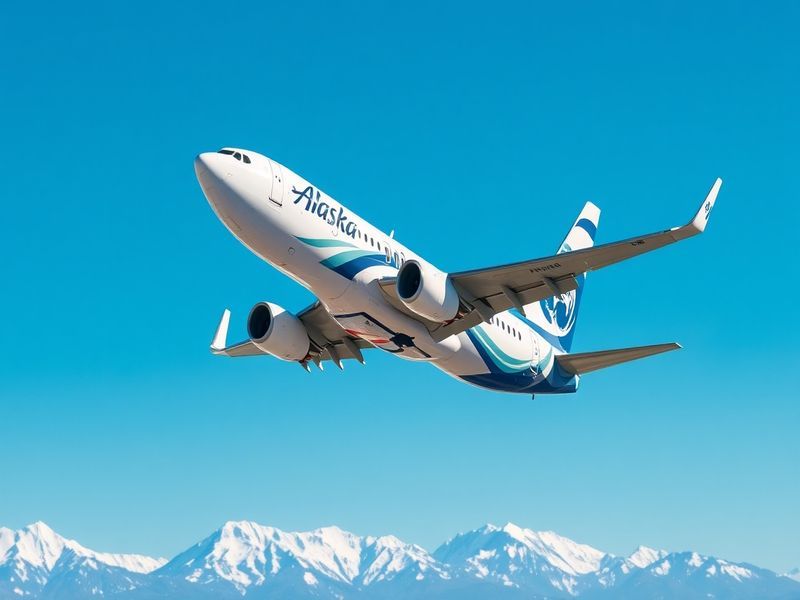
Alaska Airlines: A Regional Powerhouse with Global Reach
“`html
Alaska Airlines: More Than Just a Regional Carrier
Alaska Airlines has long stood as a regional titan, connecting the vast landscapes of the Pacific Northwest to destinations across the United States, Canada, and even Mexico. Founded in 1932 as McGee Airways, the airline has grown from a small, bush-style operator into one of the most respected carriers in the industry. Its reputation isn’t built on sheer size but on consistency, customer service, and operational reliability—qualities that set it apart in an era where mergers and acquisitions often dominate airline headlines.
While Alaska Airlines may not operate the largest fleet or serve the most routes, it has cultivated a niche that prioritizes quality over quantity. The airline’s loyalty program, Mileage Plan, remains one of the most valuable in the industry, offering flexible redemption options and a straightforward earning structure. For frequent flyers, this has translated into tangible benefits, from free upgrades to companion certificates. But Alaska’s influence extends beyond its frequent flyer base. The airline’s partnership strategy has allowed it to punch above its weight, enabling travelers to reach destinations far beyond its West Coast hubs.
The Fleet and Operational Strategy
Alaska Airlines operates a fleet of 327 aircraft, a mix of narrow-body jets and regional turboprops. The backbone of its fleet is the Boeing 737, with the airline being one of the largest operators of the 737 MAX outside of Southwest Airlines. The MAX 9, in particular, has become a workhorse for the carrier, offering fuel efficiency and range that aligns well with its route network. For shorter routes, Alaska relies on its fleet of Bombardier Q400 turboprops, which serve smaller airports in the Pacific Northwest and Alaska, maintaining connectivity to communities that might otherwise be overlooked by larger carriers.
The airline’s operational strategy is rooted in efficiency and reliability. Alaska has historically avoided the pitfalls of over-expansion, instead focusing on strengthening its existing network. This approach has allowed it to maintain high dispatch reliability rates—often among the best in the industry. The airline’s maintenance operations are also a point of pride. Its primary maintenance base is located in Seattle, where a team of 1,500 technicians keeps the fleet in top condition. This investment in maintenance has paid dividends, particularly during periods of industry-wide disruptions, such as the post-pandemic recovery.
Another key aspect of Alaska’s fleet strategy is its commitment to sustainability. The airline has set ambitious goals to reduce its carbon footprint, including a target to achieve net-zero emissions by 2040. To this end, Alaska has invested in sustainable aviation fuel (SAF) and is exploring the potential of electric and hybrid-electric aircraft for regional routes. While these technologies are still in their infancy, the airline’s early adoption signals a forward-thinking approach that could influence the broader industry.
Route Network and Partnerships
Alaska Airlines’ route network is a study in strategic focus. Its primary hubs are located in Seattle (SEA), Portland (PDX), San Francisco (SFO), and Los Angeles (LAX), with a secondary hub in Anchorage (ANC). From these hubs, the airline serves over 120 destinations, including major cities, smaller regional airports, and even remote Alaskan communities. This network is particularly valuable for travelers looking to explore the Pacific Northwest, where Alaska’s dominance in the market ensures frequent departures and competitive pricing.
The airline’s partnership strategy has been a critical factor in expanding its reach. Alaska is a founding member of the oneworld alliance, which provides passengers with access to a global network of over 1,000 destinations. Through oneworld, Alaska Airlines passengers can connect seamlessly to international destinations, often with through-checking of baggage and shared loyalty benefits. This alliance has been particularly beneficial for business travelers, who rely on the ability to book multi-carrier itineraries with ease.
In addition to its alliance partnerships, Alaska has cultivated relationships with several regional carriers. These partnerships allow the airline to serve smaller markets without the overhead of operating its own turboprop fleet. For example, Horizon Air, a subsidiary of Alaska Airlines, operates many of the Q400 flights under the Alaska brand, providing passengers with a consistent experience across the network. This strategy has allowed Alaska to maintain a strong presence in markets where larger jets would be impractical.
The airline’s focus on the West Coast and Alaska has also made it a popular choice for leisure travelers. Destinations like Maui, Ketchikan, and the San Juan Islands are staples of Alaska’s route map, attracting tourists looking to explore the region’s natural beauty. The airline’s partnership with travel sites has further amplified its appeal, offering bundled packages that combine flights with accommodations and activities.
Customer Experience and Innovation
Alaska Airlines has built its reputation on delivering a consistent and customer-friendly experience. From the moment passengers book a flight to the time they deplane, the airline emphasizes simplicity and transparency. Its website and mobile app are designed with usability in mind, offering intuitive navigation and real-time updates. The airline’s customer service team is often praised for its responsiveness, particularly in resolving issues such as delays or lost baggage.
One area where Alaska has excelled is in its approach to in-flight entertainment. Unlike many carriers that charge for Wi-Fi or streaming services, Alaska offers free messaging and basic entertainment on many of its flights. The airline’s partnership with tech platforms has enabled it to provide high-quality streaming options without the need for passengers to purchase expensive subscriptions. This commitment to accessibility has resonated with travelers, particularly younger passengers who expect seamless connectivity.
The airline has also been an innovator in areas like boarding procedures and baggage policies. Alaska was one of the first carriers to implement a free checked bag policy for its Mileage Plan elite members, a move that has strengthened loyalty among its most frequent flyers. Additionally, the airline has experimented with biometric boarding at select airports, using facial recognition technology to streamline the boarding process. While not yet universal, these initiatives reflect Alaska’s willingness to adopt new technologies that enhance the passenger experience.
Another standout feature of Alaska Airlines is its commitment to employee satisfaction. The airline has consistently ranked among the best places to work in the airline industry, a fact that translates into better service for passengers. Happy employees are more likely to go the extra mile, whether it’s assisting a passenger with a tight connection or handling a delayed flight with grace. This culture of engagement has helped Alaska maintain its reputation as a reliable and customer-focused carrier.
Challenges and the Road Ahead
Despite its many strengths, Alaska Airlines faces challenges that could shape its future. The most immediate is the ongoing pilot shortage, which has affected airlines across the industry. Alaska has responded by increasing its pilot recruitment efforts and offering competitive compensation packages. However, the tight labor market means that the airline must continue to innovate in how it attracts and retains talent.
Another challenge is the airline’s exposure to economic downturns. As a carrier heavily focused on leisure travel, Alaska is particularly vulnerable to fluctuations in consumer spending. The COVID-19 pandemic was a stark reminder of this vulnerability, forcing the airline to ground a significant portion of its fleet and furlough employees. While Alaska has rebounded strongly, the lingering effects of the pandemic underscore the need for financial prudence and diversification.
The airline’s growth strategy also presents challenges. While Alaska has avoided the pitfalls of rapid expansion, its partnership with American Airlines to serve certain East Coast destinations has drawn scrutiny from regulators. The Department of Transportation has raised concerns about the alliance’s impact on competition, particularly in markets where Alaska and American both operate. Navigating these regulatory hurdles will be critical as Alaska seeks to expand its reach.
Looking ahead, Alaska Airlines appears well-positioned to build on its strengths. The airline’s focus on sustainability, customer service, and operational efficiency aligns with the evolving priorities of modern travelers. As the industry continues to recover from the pandemic, Alaska’s disciplined approach to growth could serve it well. Whether through new route expansions, technological innovations, or strategic partnerships, the airline seems poised to remain a key player in the Pacific Northwest and beyond.
For travelers, Alaska Airlines offers more than just a flight—it provides a gateway to some of the most stunning and diverse landscapes in North America. From the rugged coastlines of Alaska to the bustling cities of California, the airline connects passengers to destinations they might otherwise overlook. In an industry often criticized for its impersonal service, Alaska stands out as a carrier that genuinely cares about its customers. That commitment, combined with its operational excellence, ensures that Alaska Airlines will continue to thrive for years to come.