From Sponsorship to Legacy: How FedEx and St. Jude Shape the Future of Sports and Philanthropy
FedEx and St. Jude Children’s Research Hospital have built one of the most enduring partnerships in American sports, anchoring the FedEx St. Jude Golf Tournament as a cornerstone event in both the PGA Tour and the fight against childhood cancer. What began as a high-profile sponsorship has evolved into a mission-driven alliance that blends elite sports with life-saving research. This collaboration goes beyond brand visibility—it’s a model for how corporate partners can integrate purpose into their identity while delivering measurable impact.
The tournament, held annually at TPC Southwind in Memphis, Tennessee, is more than a golf event. It’s a convergence of athleticism, philanthropy, and community engagement. Each year, top PGA Tour professionals tee off not just for prize money, but to raise awareness and funds for St. Jude’s mission. The partnership reflects a growing trend where sports sponsorships are tied directly to social responsibility—especially in health care, where urgency and hope are constant companions.
From Naming Rights to National Impact
The FedEx St. Jude Golf Tournament began in 1986 as the Greater Memphis Open, a regional PGA Tour stop. In 1991, FedEx became the title sponsor, transforming the event into a nationally recognized platform. Over the decades, the tournament has raised over $60 million for St. Jude, funding research that has improved survival rates for childhood cancers from 20% in the 1960s to over 80% today. That progress is not coincidental—it’s the result of sustained investment in research, treatment, and care.
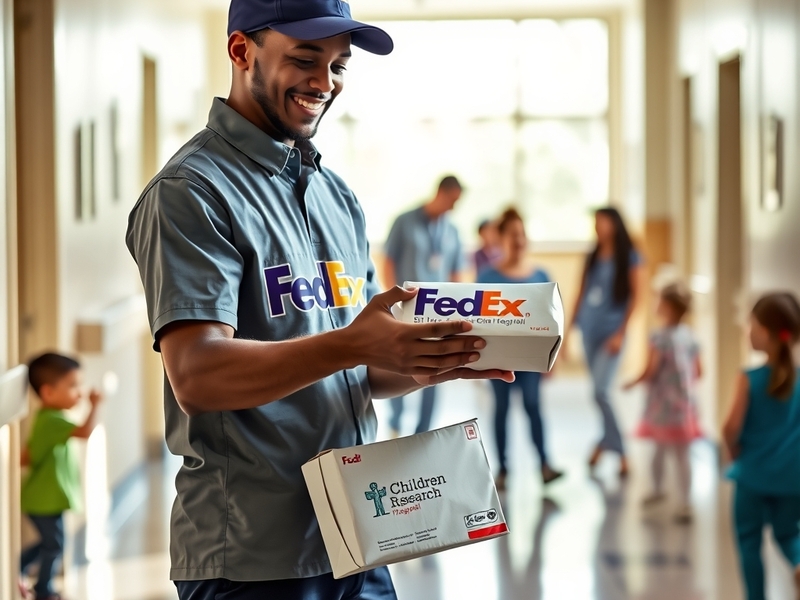
FedEx didn’t just lend its name to a golf tournament. It embedded its brand in a cause that resonates deeply with its own corporate values: reliability, global reach, and care for communities. The company’s logistics network—spanning 220 countries—mirrors St. Jude’s mission to deliver hope across borders, regardless of a family’s ability to pay. This alignment has made the partnership authentic, not performative.
The tournament’s success also highlights how sports can serve as a bridge between corporate America and nonprofit health institutions. While many companies sponsor events for visibility, FedEx and St. Jude have leveraged the platform to drive real-world outcomes. The result is a blueprint for other corporations seeking to combine business goals with social impact—especially in areas as urgent as pediatric cancer research.
How the Partnership Works: Beyond the Scorecard
The FedEx St. Jude Golf Tournament operates on multiple levels. On the surface, it’s a PGA Tour event featuring the world’s best golfers competing in a classic format. But beneath the leaderboard lies a sophisticated fundraising and awareness engine.
Each year, the tournament hosts over 10,000 spectators, corporate partners, and St. Jude families. The “St. Jude Champions” program invites former patients—many of whom are now thriving survivors—to share their stories. Their presence transforms the event from a sporting occasion into a living testament to hope. FedEx employees volunteer, and the company matches donations, amplifying every dollar raised.
Key elements of the partnership include:
- Title Sponsorship: FedEx’s naming rights ensure year-round brand association with a cause-driven event.
- Cause Marketing: A portion of tournament proceeds directly supports St. Jude’s research and treatment programs.
- Employee Engagement: FedEx encourages volunteerism and fundraising among its workforce, deepening internal buy-in.
- Media Exposure: Broadcast partnerships with CBS Sports and digital amplification extend the reach of both the tournament and the mission.
- Survivor Involvement: Patient stories create emotional connection and remind audiences of the human stakes.
This model demonstrates how sponsorships can evolve from transactional to transformational. FedEx isn’t just writing a check—it’s embedding its values into the fabric of a major sporting event and, by extension, into the culture of its brand.
The Broader Implications: Can Sports Save More Lives?
The FedEx St. Jude model raises an important question: Can more sports partnerships follow this blueprint to advance public health? The answer lies in alignment, authenticity, and long-term commitment. Not every cause fits every brand, but when values overlap, the potential for impact is significant.
Consider the NBA Cares initiative or the NFL’s partnership with the American Cancer Society. These programs leverage sports’ cultural reach to promote wellness, research, and prevention. But few have matched the depth of the FedEx-St. Jude collaboration. Why? Because FedEx treated the tournament not as a marketing expense, but as a strategic investment in brand equity and social good.
There’s also a lesson in audience psychology. Sports fans are passionate and loyal. When a cause is presented authentically within that context, engagement skyrockets. St. Jude doesn’t just ask for donations—it invites fans to be part of a story of resilience. That emotional connection is the secret sauce that turns spectators into donors and donors into advocates.
Yet challenges remain. Maintaining donor enthusiasm over decades requires consistent storytelling and measurable results. St. Jude’s transparency—publishing survival rate improvements and research breakthroughs—has been key to sustaining trust. FedEx’s global reach also ensures that the message isn’t confined to Memphis. It’s a reminder that philanthropy, when paired with scale, can have a planetary impact.
A Legacy in the Making
As the FedEx St. Jude Golf Tournament approaches its 40th anniversary, its legacy is secure. It has redefined what a sports sponsorship can achieve—not just in terms of brand visibility, but in lives saved and futures restored. The partnership proves that corporate America can play a role in solving society’s toughest challenges, one golf swing and one research grant at a time.
For other companies considering similar alliances, the FedEx-St. Jude model offers a roadmap: align with a cause that reflects your brand’s core values, commit for the long term, and make the mission visible at every touchpoint. In an era where consumers demand purpose, authenticity isn’t optional—it’s essential.
The tournament’s final round may feature a dramatic putt or a clutch birdie, but the real victory is measured in hospital beds, in classrooms, and in the smiles of children who will grow up to live full lives. That’s a scorecard no sponsor can ignore.