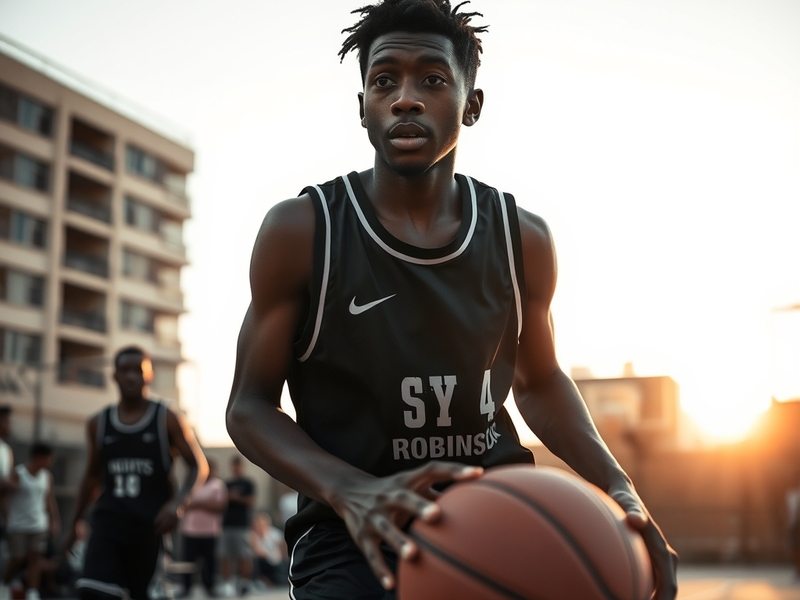
Ty Robinson: From College Star to Global Wrestling Phenom
Ty Robinson’s rise in professional wrestling reads like a classic underdog story—one that blends raw athleticism with relentless ambition. Born and raised in the competitive wrestling hotbed of Iowa, Robinson’s journey from the high school mat to the global stage reflects both the sport’s grassroots tradition and its modern evolution. His rapid ascent through the ranks of Sports entertainment has not only captivated fans but also sparked conversations about the future of wrestling in the digital age.
The son of a former amateur wrestler, Robinson grew up surrounded by the discipline and intensity of the sport. His father’s influence was evident early on—long before Ty stepped into the ring, he was learning the fundamentals of leverage, balance, and timing through backyard wrestling matches with his siblings. By the time he reached high school, he was already a standout in the Iowa wrestling circuit, earning multiple state titles and catching the attention of collegiate scouts. His transition from amateur wrestling to professional entertainment wasn’t immediate, but it was deliberate. Unlike many who jump straight into wrestling after college, Robinson took a calculated detour: he pursued a degree in sports management while continuing to train, a decision that would later pay dividends in understanding the business side of the industry.
What sets Robinson apart from his peers isn’t just his physical prowess—it’s his ability to adapt. Wrestling has changed dramatically over the past decade, with social media turning athletes into brands and in-ring performances into viral moments. Robinson recognized this shift early. While still competing in college, he began building his online presence, posting behind-the-scenes training clips and engaging with fans through platforms like Instagram and TikTok. His strategy wasn’t just about showcasing his moves; it was about creating a narrative—one that positioned him as both a throwback athlete and a forward-thinking performer. This dual identity has resonated globally, particularly in markets where wrestling’s popularity has surged in recent years, such as the United Kingdom, Japan, and parts of Latin America.
The Global Appeal of Robinson’s Wrestling Style
Robinson’s in-ring style is a fusion of technical precision and high-flying athleticism—a combination that bridges the gap between traditional wrestling and modern sports entertainment. His signature moves, like the Ty Bomb (a devastating sit-out powerbomb) and the Robinson Crusoe (a corkscrew moonsault), have become fan favorites, but it’s his ability to connect with audiences that truly sets him apart. Wrestling is as much about storytelling as it is about physicality, and Robinson excels at both. Whether he’s playing the ruthless heel or the lovable underdog, his performances feel authentic, a quality that resonates in an era where wrestling fans crave genuineness amid the spectacle.
This authenticity has been key to his international success. In Japan, where wrestling (or puroresu) emphasizes strong style and technical mastery, Robinson’s background in amateur wrestling has earned him respect among purists. Meanwhile, in the U.S. and Europe, his high-energy style and social media savvy have made him a crossover star. His matches are often highlighted in global wrestling highlight reels, further amplifying his reach. This global appeal isn’t just a personal triumph—it’s a reflection of wrestling’s shifting demographics. With younger, more diverse audiences engaging with the sport through streaming and social platforms, performers like Robinson are redefining what it means to be a wrestling star in the 21st century.
The cultural contrast in how Robinson is received across different regions offers a fascinating lens into wrestling’s global landscape. In Mexico, for example, his athletic style aligns well with lucha libre traditions, where high-flying moves are celebrated. In contrast, his more technical approach in Europe mirrors the style of classic British wrestling, where mat work and submission holds are prized. This versatility has allowed him to tour internationally with relative ease, headlining shows in countries where wrestling is still growing as a spectator sport. His ability to adapt his persona and match style based on the audience speaks to a level of professionalism that goes beyond mere athleticism.
Beyond the Ring: Robinson’s Influence on Wrestling’s Business Model
Robinson’s impact extends beyond his in-ring performances. He represents a new generation of wrestlers who understand that success in the industry requires more than just charisma and physical ability—it demands business acumen. His partnerships with brands like Nike and G Fuel aren’t just lucrative deals; they’re strategic moves that position him as a lifestyle influencer, not just a wrestler. This shift mirrors broader trends in sports entertainment, where athletes are increasingly seen as entrepreneurs. Robinson’s endorsement deals, merchandise lines, and even his involvement in wrestling-related podcasts and YouTube content have turned him into a multi-dimensional figure in the wrestling ecosystem.
His approach to branding also reflects a deeper cultural shift in how athletes engage with their fanbases. In the past, wrestlers were often seen as distant, larger-than-life characters whose personal lives were kept private. Today, transparency and accessibility are valued, and Robinson has embraced this trend wholeheartedly. His social media feeds offer glimpses into his training routines, travel adventures, and even his struggles with injuries—a rarity in an industry where vulnerabilities are often hidden. This openness has fostered a deeper connection with fans, who see him not just as a performer but as a relatable figure.
Robinson’s influence can also be seen in how he leverages data and analytics to refine his performances. Unlike traditional wrestlers who rely solely on instinct, Robinson works with performance analysts to study his matches, opponent tendencies, and fan reactions. This data-driven approach has allowed him to fine-tune his character arcs and match structures, ensuring that each performance feels fresh and engaging. It’s a level of strategic thinking that was once unheard of in wrestling but is now becoming standard practice among top performers.
The Road Ahead: Challenges and Opportunities
Despite his rapid rise, Robinson’s journey is far from over. The wrestling industry is notoriously volatile, with careers rising and falling as quickly as the trends that fuel them. One of the biggest challenges he faces is maintaining relevance in an era where attention spans are shorter than ever. To combat this, Robinson has diversified his content, launching a YouTube series called The Robinson Report, where he interviews other wrestlers, discusses industry trends, and even delves into the psychology of performance. This kind of multi-platform engagement ensures that he stays connected to fans even when he’s not in the ring.
Another hurdle is the physical toll of wrestling. Robinson has been open about his struggles with injuries, including multiple concussions and a recent knee surgery that sidelined him for months. His recovery process has been well-documented, offering fans a rare glimpse into the harsh realities of a wrestler’s career. Yet, his resilience has only strengthened his connection with audiences, who admire his transparency and determination. Injuries are an inevitable part of the sport, but how athletes handle them can define their legacies. Robinson’s ability to bounce back—both physically and mentally—will be a critical factor in his long-term success.
Looking ahead, Robinson’s ambitions extend beyond wrestling. He has expressed interest in expanding into acting, citing his admiration for performers like Dwayne “The Rock” Johnson and John Cena. Given his charisma and work ethic, a transition into Hollywood seems plausible, though he has emphasized that wrestling will always be his first love. There’s also the potential for him to take on a behind-the-scenes role, perhaps as a producer or booker, where his insights into both the athletic and business sides of wrestling could shape the industry’s future. Whatever path he chooses, one thing is clear: Ty Robinson is more than just a wrestler. He’s a cultural bridge between the past and future of sports entertainment.
What’s Next for Wrestling’s Next-Gen Star?
The wrestling landscape in 2024 is more fragmented than ever, with promotions like WWE, AEW, and NJPW competing for dominance while independent circuits thrive online. In this crowded field, Robinson’s ability to navigate these waters will determine whether he becomes a perennial main-eventer or a transitional figure. His success could inspire a new wave of athletes who blend traditional wrestling skills with modern marketing savvy—a hybrid model that may well define the next decade of the sport.
One area to watch is Robinson’s potential involvement in global wrestling initiatives. With wrestling’s popularity exploding in markets like India and Africa, there’s an opportunity for American stars to expand their reach internationally. Robinson’s cross-cultural appeal makes him a prime candidate for such ventures, whether through exhibition matches, training camps, or even digital content collaborations. The globalization of wrestling isn’t just about exporting American-style entertainment; it’s about creating a truly global sport where athletes and fans from all backgrounds can connect.
For now, though, Robinson remains focused on the fundamentals—training, performing, and engaging with fans. His story is still being written, and like all great wrestling narratives, it’s filled with twists, turns, and moments of triumph. What’s certain is that Ty Robinson is more than just a passing trend. He’s a reflection of where wrestling is headed: a sport that honors its traditions while embracing the future.