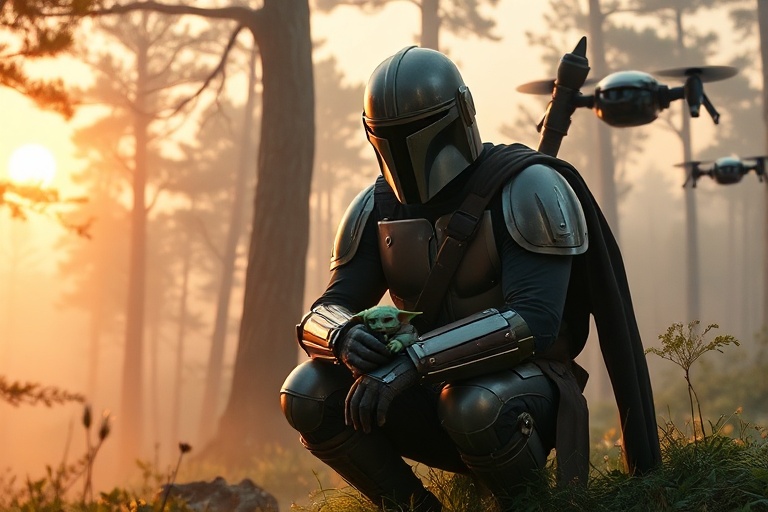
Sonal Dinusha’s rise in Sri Lanka’s creative industries has been marked by a rare blend of technical skill and artistic intuition. At just 28 years old, the motion designer and digital artist has already left a mark on projects ranging from advertising campaigns to short films, earning recognition for work that balances commercial appeal with deep visual storytelling. What sets Dinusha apart isn’t just the polish of his animations—it’s how he uses movement, color, and composition to evoke emotion in ways that feel both intuitive and deliberate.
His portfolio includes collaborations with major brands and independent creators, showcasing versatility that spans typography-driven visuals, character animation, and experimental digital art. But beyond the visuals, Dinusha’s approach reflects a broader shift in how Sri Lankan artists are leveraging digital platforms to reach global audiences. By sharing his process openly—through tutorials, breakdowns, and social media—he’s also helping to demystify motion design for a new generation of creatives in the region.
From Colombo to global feeds: the journey of a self-taught artist
Dinusha’s path wasn’t paved with formal training. Growing up in Colombo, he was drawn to animation after stumbling upon online tutorials in his late teens. Unlike many peers who pursued traditional art education, he carved his own route, absorbing techniques from YouTube channels, Behance galleries, and open-source software communities. This grassroots approach shaped his problem-solving mindset—a willingness to experiment, fail, and iterate that defines much of his early work.
The turning point came when one of his personal projects, a short animated piece exploring Sri Lankan folklore through modern visuals, caught the attention of a regional advertising agency. That collaboration opened doors to larger commercial projects, but it also reinforced a principle he still holds dear: authenticity matters. “I could have chased trends,” he says, “but I learned early on that the projects that resonate most are the ones where I’m genuinely invested.”
By 2020, Dinusha had built a following across Instagram and Behance, where his work stood out for its use of warm, earthy tones layered with dynamic motion. His style—often described as “organic futurism”—blends traditional Sri Lankan textures with contemporary design language, creating a visual identity that feels both rooted and forward-looking. It’s a niche that resonated deeply in a year when global audiences were hungry for fresh perspectives beyond Western-centric aesthetics.
The tools and techniques behind the visuals
Dinusha’s toolkit reflects both pragmatism and innovation. He primarily uses Adobe After Effects for animation, paired with Cinema 4D for 3D elements and Procreate for concept art. But what’s more telling is how he structures his workflow. Unlike artists who rely solely on presets or templates, Dinusha builds most of his assets from scratch—even when deadlines are tight. “Custom elements take more time upfront,” he explains, “but they give the final piece a coherence that stock assets can’t match.”
His motion design often incorporates principles from classical art, such as chiaroscuro lighting and rhythm in composition. In a recent campaign for a local tea brand, for instance, he used layered parallax effects to mimic the depth of a tea plantation, with subtle camera movements guiding the viewer’s eye through layers of foliage and steam. The result wasn’t just visually striking—it told a story without a single word.
He also places heavy emphasis on audio integration. Many of his pieces are designed with sound in mind, often collaborating with composers or field recordists to ensure that motion and audio evolve in harmony. “Animation is 50% visual and 50% sound,” he notes. “A great motion piece without sound is like a song without instruments—it’s missing a critical layer.”
For those inspired to follow in his footsteps, Dinusha emphasizes the importance of foundational skills. In a 2023 workshop he led in Colombo, he broke down motion design into three core pillars: timing, spacing, and weight. “Master those,” he told attendees, “and everything else becomes easier to adapt.”
The role of community and education in shaping new talent
Dinusha’s influence extends beyond his own output. Through workshops, livestreams, and a growing presence on platforms like Skillshare, he’s become a mentor to aspiring motion designers in Sri Lanka and beyond. His most popular tutorial series, “From Sketch to Screen,” walks users through the entire creative process—from rough sketches to final renders—using a free, open-source workflow. The series has been viewed over 120,000 times, a testament to the demand for accessible, region-specific education in creative fields.
He’s also a vocal advocate for open-source tools. While he uses industry-standard software for client work, he encourages beginners to start with free alternatives like Blender and Krita. “Not everyone can afford a $30-a-month subscription,” he points out. “But with a little research, they can still create professional-quality work.”
That ethos has fostered a small but thriving community of motion designers in Sri Lanka. Local meetups, often organized through Telegram groups or Instagram, have become spaces for collaboration and critique. Dinusha frequently participates, offering feedback on works-in-progress and sharing resources. It’s a model that mirrors the open-source philosophy he champions: collective growth through shared knowledge.
Yet, challenges remain. Limited access to high-speed internet and outdated hardware can hinder progress for many artists in the region. Dinusha has spoken openly about these barriers, advocating for better infrastructure and more inclusive access to creative tools. “Talent is everywhere,” he says. “But opportunity isn’t—yet.”
The future: blending art, commerce, and cultural identity
Looking ahead, Dinusha is focused on projects that bridge art and advocacy. He’s currently developing a short film that explores Sri Lanka’s economic crisis through surreal, symbolic visuals—part animation, part documentary. The piece aims to humanize complex issues, using motion design as a medium for storytelling rather than just decoration. “I want to push the boundaries of what motion design can do,” he explains. “It’s not just about making things look pretty. It’s about making people feel.”
Commercially, he’s also exploring opportunities in gaming and interactive media. His recent concept art for a mobile game set in a reimagined Colombo earned praise for its vibrant, culturally rich environments. While the project is still in development, it signals a growing interest in merging traditional storytelling with interactive experiences—a space where motion design plays a pivotal role.
As digital platforms continue to democratize creative expression, artists like Dinusha are redefining what it means to be a “Sri Lankan artist” in a global context. His work doesn’t just reflect the country’s landscapes or traditions—it reimagines them, infusing modern techniques with deep cultural roots. It’s a balancing act that requires both technical precision and emotional intelligence, and it’s one he executes with remarkable consistency.
For now, Dinusha remains grounded in the day-to-day craft of creation. Whether it’s a 15-second social media ad or a 10-minute animated short, he approaches each project with the same mindset: intention. In an era where digital noise often drowns out substance, his work stands out for its clarity—and its quiet power to move.