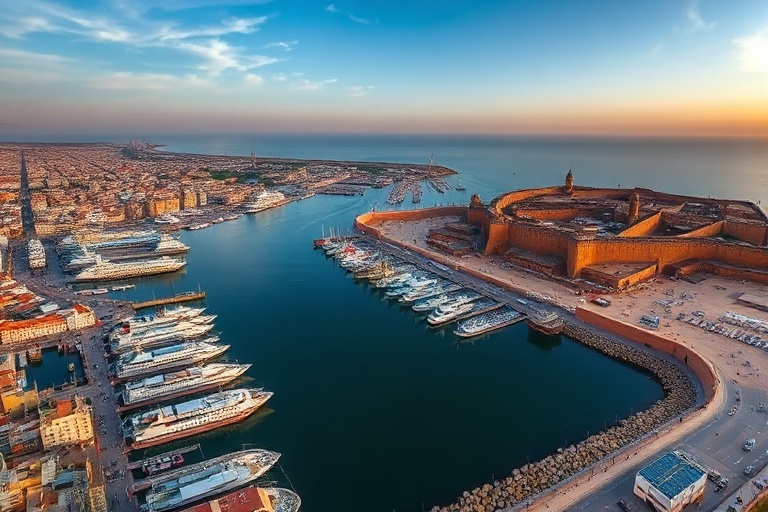
Spain’s southern coastline offers two distinct urban experiences separated by geography and history. Ceuta, a Spanish autonomous city on the North African coast, contrasts sharply with Málaga, a vibrant Andalusian city on the Iberian Peninsula. While both destinations boast Mediterranean charm, their cultural, economic, and social landscapes differ in ways that reflect broader national and regional identities.
This exploration examines the unique qualities of each city, from their historical roots to their modern-day appeal. By comparing Ceuta and Málaga, we uncover how geography shapes identity, economy, and lifestyle in ways that often go unnoticed in broader discussions of Spanish tourism and urban development.
Geographical and Historical Context
Ceuta occupies a strategic position on the Strait of Gibraltar, just 20 kilometers from mainland Spain but separated by the Mediterranean Sea. As an autonomous city, it has been under Spanish control since the 15th century, though its cultural fabric includes strong Berber, Arab, and Portuguese influences. Its history is marked by military significance, trade routes, and a unique blend of European and African heritage.
Málaga, by contrast, lies on the Costa del Sol in southern Spain, roughly 100 kilometers east of Gibraltar. Founded by the Phoenicians around 770 BCE, it has evolved into a cultural and economic hub of Andalusia. The city’s history is deeply tied to the Mediterranean, with influences from Roman, Moorish, and Renaissance eras shaping its architecture and identity.
The contrast between the two cities extends beyond geography. Ceuta’s position as an enclave surrounded by Morocco creates a unique socio-political environment, while Málaga’s integration into the Spanish mainland offers a more conventional urban experience. These differences influence everything from governance to daily life.
Economic and Social Dynamics
Ceuta’s economy is heavily reliant on its status as a free port, attracting trade and tourism from both Spain and Morocco. The city serves as a key entry point for goods moving between Europe and Africa, with industries centered around logistics, retail, and cross-border commerce. Tourism plays a secondary role, with visitors drawn to its historic sites, duty-free shopping, and proximity to Morocco’s northern coast.
Málaga, on the other hand, has transformed into a diversified economic powerhouse. Known for its thriving tech sector, Málaga has earned the nickname “Silicon Valley of Southern Europe” due to the presence of innovation hubs and multinational companies. The city also benefits from a robust tourism industry, with attractions like the Picasso Museum, the Alcazaba fortress, and its famous beaches drawing millions of visitors annually.
These economic differences are reflected in the lifestyles of residents. In Ceuta, life revolves around commerce and cross-border interactions, with a slower pace compared to mainland Spain. Málaga’s residents enjoy a more cosmopolitan lifestyle, with access to international events, a growing expatriate community, and a dynamic cultural scene.
Key Economic Sectors
- Ceuta: Duty-free retail, logistics, border trade, and limited tourism.
- Málaga: Technology and innovation, tourism, education, and cultural industries.
Cultural and Urban Experiences
Ceuta’s cultural landscape is a fusion of Spanish and North African traditions. The city’s architecture reflects this blend, with Moorish-inspired buildings standing alongside Spanish colonial structures. The streets of Ceuta are a sensory experience, filled with the aromas of Moroccan cuisine, the sounds of Arabic music, and the sight of bustling markets like the Plaza de los Reyes.
Málaga’s cultural scene is equally rich but distinctly Mediterranean. The city’s historic center is a labyrinth of narrow streets, whitewashed buildings, and lively plazas. Art lovers flock to the Picasso Museum, dedicated to the city’s most famous son, while music and festivals like the Málaga Film Festival showcase its modern cultural vibrancy.
Urban life in Ceuta is intimate and communal, with a strong sense of local identity. In Málaga, the city’s growth has led to a more cosmopolitan atmosphere, with a diverse population and a focus on international connectivity. Both cities offer unique insights into Spain’s cultural diversity, but their approaches to urban living could not be more different.
Tourism and Accessibility
Tourism is a critical industry for both cities, though their approaches and appeal differ significantly. Ceuta attracts visitors interested in off-the-beaten-path destinations, duty-free shopping, and cultural fusion. The city’s compact size makes it easy to explore on foot, with attractions like Monte Hacho offering panoramic views of the Strait of Gibraltar.
Málaga, meanwhile, is a major tourist destination with international airports, high-speed rail connections, and a well-developed hospitality sector. The city’s beaches, such as La Malagueta, and cultural landmarks like the Roman Theatre draw millions of tourists each year. Málaga’s accessibility makes it a gateway to Andalusia, attracting travelers from across Europe and beyond.
For those considering a visit, the choice between Ceuta and Málaga often comes down to the type of experience desired. Ceuta offers a unique blend of African and European influences in a compact, historic setting. Málaga provides a more traditional Mediterranean vacation with a mix of culture, relaxation, and modern amenities.
Both destinations highlight the diversity of Spain’s coastal regions, each offering something distinct for travelers willing to explore beyond the typical tourist trail. Whether drawn to Ceuta’s cross-border intrigue or Málaga’s cultural richness, visitors are sure to find an experience that resonates.
Conclusion
Ceuta and Málaga represent two sides of Spain’s southern identity, each shaped by its unique geography and history. Ceuta’s role as a Spanish enclave in Africa creates a cultural and economic landscape that is unlike anywhere else in the country. Its focus on trade, logistics, and cross-border interactions sets it apart from the rest of Spain, offering a glimpse into a region where continents and cultures intersect.
Málaga, by contrast, embodies the dynamic spirit of modern Andalusia. With its thriving tech sector, cultural institutions, and international connectivity, the city is a testament to Spain’s ability to blend tradition with innovation. Its appeal lies in its ability to cater to both locals and visitors, offering a lifestyle that is both relaxed and cosmopolitan.
Ultimately, the choice between Ceuta and Málaga comes down to personal preference. Those seeking a unique blend of African and European influences will find Ceuta’s charm irresistible. Meanwhile, travelers looking for a vibrant cultural hub with modern amenities will be drawn to Málaga. Both cities exemplify the diversity and richness of Spain’s southern coast, proving that even within a single country, the possibilities for exploration are endless.
For more insights into Spain’s coastal cities and cultural destinations, explore our Travel section or dive into our Culture archives.