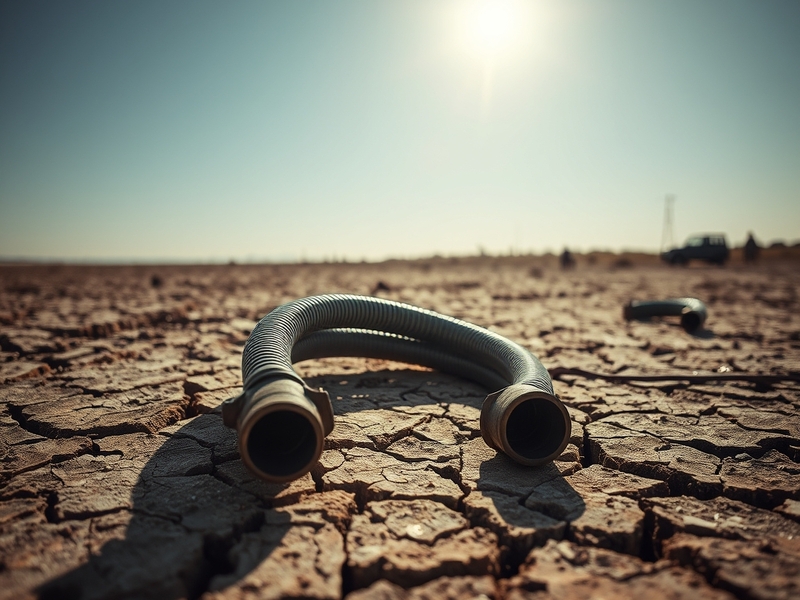
Wessex Water has confirmed a hosepipe ban will take effect from 5pm on Friday 19 July 2024, affecting nearly 1.3 million customers across parts of Somerset, Dorset, Hampshire, Wiltshire and Devon. The temporary use ban follows two consecutive dry winters and record-low reservoir levels, leaving rivers and underground sources struggling to recover. While the company insists the measure is a last resort, critics argue long-term leakage reduction and infrastructure upgrades have been neglected for years.
Why is Wessex Water imposing the hosepipe ban?
The Environment Agency’s latest water situation report shows the Wessex region in “serious” drought status for the first time since 2022. Groundwater levels in the chalk aquifers beneath Salisbury Plain have dropped below the 1-in-50-year low threshold, and rivers like the Hampshire Avon are running at 60% of their typical summer flow. Wessex Water’s own data reveals leakage has hovered around 270 million litres a day for the past three years—roughly equivalent to 108 Olympic-sized swimming pools lost daily. Internal briefings leaked to regional press suggest board papers from 2021 warned that without accelerated mains replacement, hosepipe bans would become inevitable by 2024.
Customers who continue to use hosepipes for garden watering, car washing or cleaning outdoor surfaces after the 19 July deadline face fines of up to £1,000. The ban does not cover essential uses such as drinking, cooking, hygiene or animal welfare. Businesses, however, must apply for exemptions if they rely on hoses for core operations, adding another layer of bureaucracy to an already strained system.
How the ban will be enforced and where it applies
Wessex Water will use a mix of smart-meter data, satellite imagery and tip-offs from the public to identify breaches. Neighbourhood wardens will carry out daytime patrols in hotspot areas like Poole, Bournemouth and Salisbury, while night-vision drones are being trialled over the New Forest to catch late-night offenders. Residents who spot a neighbour breaking the rules can report via the Wessex Water website or the company’s 24/7 hotline; anonymised reports are then passed to enforcement officers.
- Coverage: Bath & North East Somerset, Bristol, Dorset, Hampshire, Somerset, Swindon and Wiltshire
- Start date: 5pm Friday 19 July 2024
- Duration: Initially 12 weeks, but extendable if rainfall remains below 80% of seasonal averages
- Exemptions: Hospitals, care homes, schools and food-production premises must apply online within 48 hours of the ban
Crucially, the ban applies to all residential and commercial customers supplied by Wessex Water, even if they source their own water from private boreholes. The company argues that groundwater abstraction still affects river levels, so the restriction is catchment-wide to protect ecosystems like the Dorset heathlands, which depend on high water tables to prevent wildfires.
The political and environmental fallout
South West Water—the parent company of Wessex Water—has already been fined £2.1 million by the Drinking Water Inspectorate for failing to meet leakage targets in 2023. MPs on the Environmental Audit Committee have demanded an urgent Ofwat investigation into whether dividend payments to shareholders have diverted funds from critical infrastructure projects. Labour’s shadow environment secretary described the hosepipe ban as “a damning indictment of years of underinvestment,” while the company’s chief executive, Colin Skellett, countered that wholesale water trading with neighbouring regions could solve half the region’s supply gap within five years.
Environmental groups are split. The Wildfowl & Wetlands Trust welcomed the ban as long overdue, citing the decline of otters and water voles in the Hampshire Avon catchment. The Countryside Alliance, however, argues that rural communities already pay some of the highest water bills in England and now face further restrictions on their livelihoods. Farmers in the Somerset Levels told local radio they may have to abandon late-summer broccoli crops because irrigation bans will coincide with critical growth stages.
What customers can do—and what comes next
Households have three immediate options to stay compliant and reduce consumption. First, install a water butt and use stored rainwater for garden irrigation; second, swap to a trigger-gun attachment that cuts flow when released; third, apply for a free water-efficiency kit from Wessex Water, which includes shower timers and tap aerators. The company claims these measures can cut a typical family’s usage by 30 litres a day—enough to offset the garden-watering ban for most households.
Looking ahead, Wessex Water has pencilled in a £4 billion investment programme to replace 2,000 miles of ageing pipes and build five new reservoirs by 2035. The first site, near Crewkerne in Somerset, is expected to come online in 2027, but planning inquiries have already drawn objections from CPRE over landscape impact. Meanwhile, the hosepipe ban is a stark reminder that climate change is shortening the gap between droughts; the Met Office’s UKCP18 projections suggest the Wessex region could see summer rainfall decline by 20% by 2050, making today’s restrictions look mild by comparison.
For now, residents are advised to check Wessex Water’s postcode checker before turning on any outdoor taps. Those who breach the ban risk not only fines but also disconnection of their water supply until compliance is restored. In a region where tourism and agriculture already strain resources, the ban underscores the urgent need for a joined-up water strategy—one that balances economic growth, ecological health and household budgets.