Orlando City vs. Inter Miami: A Rivalry Forged in Fire
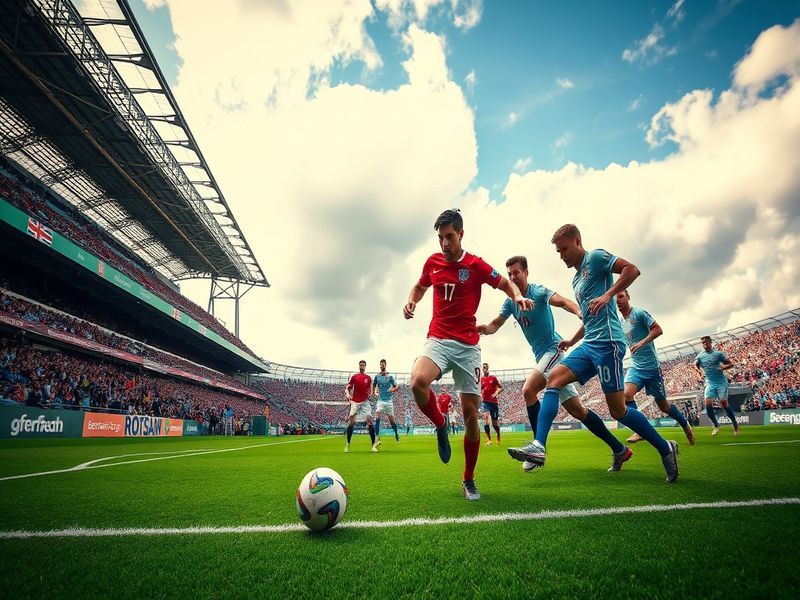
The Orlando City SC vs. Inter Miami CF rivalry isn’t just another MLS matchup—it’s a clash of cultures, ambitions, and identities. Since Miami joined the league in 2020, the fixture between these two Florida teams has evolved from a regional curiosity into one of the most heated rivalries in American soccer. The intensity isn’t just about points; it’s about pride, geography, and the fight for supremacy in a state that’s rapidly becoming a soccer hotbed.
Orlando City, the older and more established club, arrived in MLS in 2015 with the weight of Central Florida’s passionate fanbase behind it. Inter Miami, backed by David Beckham’s star power and a global investor group, entered the league with sky-high expectations and a mandate to bring glamour to a region that already lived and breathed sports. What followed was a rivalry that mirrored the broader tensions in MLS: tradition versus ambition, blue-collar grit versus Hollywood flair.
What makes this rivalry particularly compelling is how it reflects the league’s broader challenges and opportunities. MLS has long struggled to balance its expansion-driven growth with the need to cultivate deep, organic rivalries. Orlando vs. Miami is one of the few fixtures that feels genuinely competitive on the pitch while also resonating culturally. It’s a matchup that doesn’t just sell tickets—it sells the idea of MLS as a serious, must-watch league.
The Origins of a Sun Belt Showdown
The seeds of this rivalry were planted long before either team kicked a ball in MLS. Florida’s soccer landscape has always been fragmented, with clubs like the Tampa Bay Rowdies and Fort Lauderdale Strikers dominating the NASL era. Orlando City’s move to MLS in 2015 was a statement: Central Florida was ready for top-tier soccer. Miami’s arrival five years later was a different kind of statement—one that said MLS wasn’t just expanding, it was betting on markets with star power and international cachet.
The first official meeting between the two teams came in 2020, a 0-0 draw that felt like a statement of intent. Miami, still finding its footing, couldn’t capitalize on home advantage, while Orlando showed resilience in front of its passionate supporters. That match set the tone for what was to come: a rivalry defined by tight scores, dramatic moments, and a refusal to back down.
By 2023, the rivalry had fully combusted. Orlando City, under manager Óscar Pareja, had established itself as a playoff contender, while Inter Miami, despite early struggles, was beginning to coalesce around stars like Lionel Messi, Sergio Busquets, and Jordi Alba. The 2023 U.S. Open Cup semifinal between the two was a microcosm of their rivalry’s evolution—a tense, tactical battle that ended with Miami advancing on penalties. The message was clear: this wasn’t a one-sided affair. Miami could hang with the best of them.
The On-Field Fire: Tactics, Stars, and Storylines
When Orlando City and Inter Miami face off, the tactical battles are as compelling as the individual duels. Orlando, under Pareja, has built its identity around possession-based soccer, quick transitions, and a high-pressing game. Miami, particularly in the Messi era, has often relied on creativity, set-piece mastery, and the brilliance of its attacking trio.
One of the most intriguing storylines in this rivalry is how Miami’s star power contrasts with Orlando’s team-first mentality. Messi’s arrival in 2023 transformed Miami from a fledgling franchise into a global attraction. But in their first meeting after his signing, Orlando held firm in a 2-2 draw, showing that even the greatest individual talents can’t always overcome a well-drilled team.
The physicality of the rivalry also stands out. Matches are often rough-and-tumble affairs, with both teams unafraid to put bodies on the line. Orlando’s Wilfried Moïse and Facundo Farias have become symbols of the team’s intensity, while Miami’s Leandro González Pirez and Rodolfo Pizarro embody the club’s defensive resilience. The midfield battles—especially when players like Orlando’s Mauricio Pereyra and Miami’s Busquets face off—are chess matches in their own right.
Here are a few key tactical and stylistic contrasts between the two teams:
- Possession vs. Creativity: Orlando prioritizes ball retention and structured buildup, while Miami often relies on quick transitions and individual brilliance to unlock defenses.
- Set Pieces: Miami has historically been stronger on dead balls, thanks to players like Gonzalo Higuaín and Messi, while Orlando’s aerial threat comes from defenders like Robin Jansson.
- Pressing Intensity: Orlando’s high press under Pareja forces opponents into mistakes, while Miami’s mid-block often invites pressure before striking on the counter.
- Home Advantage: Orlando’s Exploria Stadium is one of the most intimidating venues in MLS, while Miami’s DRV PNK Stadium, though smaller, has become a fortress in its own right.
The Off-Field Drama: Money, Ownership, and Ambition
This rivalry isn’t just about what happens on the field—it’s about the broader vision for soccer in the U.S. Inter Miami’s ownership group, led by Beckham and including figures like Jorge and José Mas, has always operated with a global mindset. The signing of Messi was a statement: MLS could attract the biggest names in world soccer and compete with Europe’s elite. Orlando, meanwhile, has focused on building a sustainable, community-driven club. The contrast between the two approaches has fueled debates about the future of the league itself.
Financially, the two clubs represent different models. Miami’s deep-pocketed investors have allowed for splashy signings, but Orlando’s patient approach has yielded consistent results on the field. The rivalry has even extended to the business side, with both clubs competing for sponsorships, broadcast deals, and fan engagement in a crowded Florida sports market. Orlando’s partnership with AdventHealth and Miami’s global branding deals with companies like Apple and X (formerly Twitter) highlight the different strategies at play.
Culturally, the divide is just as stark. Orlando’s fanbase is a mix of longtime soccer enthusiasts and families drawn to the sport’s accessibility. Miami’s identity is tied to its international community, with supporters from Latin America, Europe, and beyond flocking to DRV PNK Stadium. The two clubs’ approaches to supporter culture also differ: Orlando’s supporters’ groups like the Iron Lion Firm are known for their vocal, choreographed displays, while Miami’s fan culture is still evolving, with the team experimenting with in-stadium entertainment to appeal to a broader audience.
Yet despite these differences, both clubs share a common goal: to make Florida a soccer powerhouse. The rivalry has forced both teams to raise their standards, whether in recruitment, facilities, or fan experience. Orlando’s new $200 million training facility and Miami’s planned 25,000-seat stadium in downtown Miami reflect the long-term vision driving this competition.
What’s Next for the Florida Derby?
The Orlando City vs. Inter Miami rivalry is still in its relative infancy, but it’s already one of the most compelling storylines in MLS. With both teams pushing to add top-tier talent and expand their global profiles, the stakes will only rise. For Orlando, the challenge is to maintain consistency in a league where parity is increasingly rare. For Miami, the task is to turn its star power into sustained success—on the field and in the standings.
One thing is certain: the fans will demand nothing less than fire. Orlando’s supporters have already shown they won’t tolerate mediocrity, while Miami’s star-studded lineup has raised expectations to unprecedented heights. The next chapter of this rivalry could be written in the playoffs, where both teams have flirted with deep runs but never quite delivered. A postseason meeting would cement the Florida derby as a must-watch event, not just in MLS, but in the broader landscape of American sports.
Beyond the pitch, the rivalry’s impact on MLS could be profound. It’s a case study in how the league can cultivate organic, regional hatreds that transcend individual players or coaches. It’s also a test of whether a league built on expansion can foster rivalries that feel authentic rather than manufactured. If Orlando and Miami continue to push each other to new heights, they could help redefine what it means to be a compelling sports rivalry in the 21st century.
For now, the fire burns bright. Whether it’s Messi dribbling past Orlando’s defense or Moïse making a last-ditch tackle to preserve a clean sheet, every match between these two teams feels like a statement. In a league often criticized for its lack of true rivalries, Florida’s derby is a reminder that the beautiful game’s magic isn’t just about trophies—it’s about pride, passion, and the relentless pursuit of greatness.