When Tornado Warnings Reach New York City: Understanding the Unlikely but Real Threat
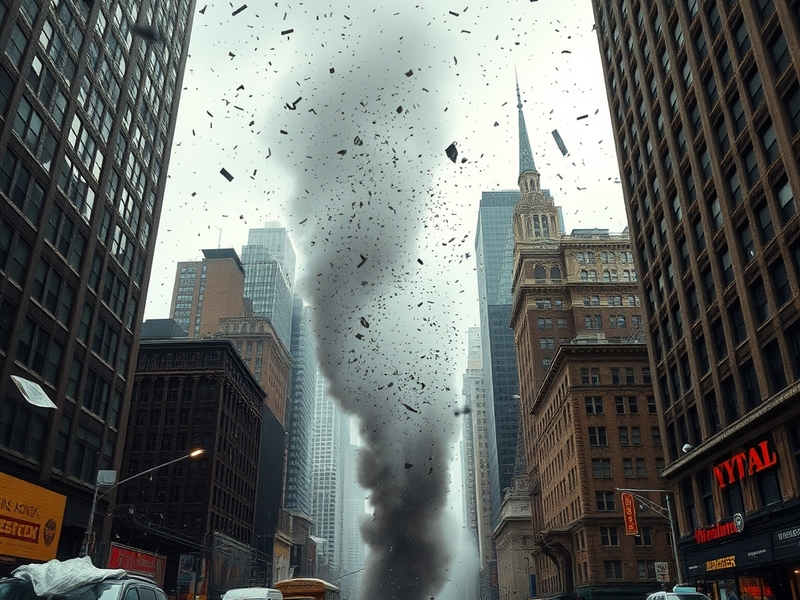
New York City isn’t the first place that comes to mind when most people think of tornadoes. After all, skyscrapers dominate the skyline, and the idea of a twister ripping through Manhattan sounds like something out of a disaster movie. Yet, while rare, tornadoes have touched down in the five boroughs—most recently in July 2024, when an EF-0 tornado briefly touched down in Queens. The event was brief, but it served as a sharp reminder: NYC is not immune to the forces of nature.
Tornadoes in New York City challenge our assumptions about risk and preparedness. They force conversations about urban infrastructure, emergency response, and whether the city’s emergency systems are equipped to handle extreme weather events that don’t fit the typical mold. Understanding how and why these tornadoes occur—and what they mean for the future—requires looking beyond the headlines and into the science, history, and policy surrounding them.
How Tornadoes Happen in NYC: A Rare but Real Phenomenon
Tornadoes thrive in environments where warm, moist air collides with cool, dry air—a setup more common in the Great Plains than in a dense urban center. However, New York City’s geography and climate create conditions where tornadoes, though uncommon, can form. The city sits near the Atlantic Ocean, which provides a source of moisture, while its urban heat island effect can intensify storm systems. When strong cold fronts move through during the summer months, the ingredients for severe weather—including tornadoes—can come together.
According to the National Oceanic and Atmospheric Administration (NOAA), New York State averages about six tornadoes per year. While most occur in less populated areas upstate, the city has seen its share. The most significant recent event was the EF-0 tornado in July 2024, which damaged trees and power lines in Queens. Before that, an EF-1 tornado touched down in Brooklyn in 2010, causing minor injuries and significant property damage. These events are brief, but they leave a lasting impact on residents and city officials alike.
Urban tornadoes also present unique challenges. Unlike in rural areas, where tornadoes can be seen from miles away, city tornadoes are often obscured by buildings and infrastructure. This reduces warning times and increases the risk of unexpected damage. Emergency response teams must navigate crowded streets, downed power lines, and potential gas leaks in the aftermath—adding layers of complexity to an already chaotic situation.
Historical Tornadoes in NYC: A Look Back at Past Events
While tornadoes in New York City are rare, they are not unheard of. Historical records show that the city has experienced several notable twisters over the past century. One of the most destructive was the 1974 tornado that touched down in Rockaway Beach, Queens. This EF-2 tornado caused significant damage to homes and businesses, injuring several people. Another notable event occurred in 1995, when an EF-1 tornado tore through Staten Island, uprooting trees and damaging vehicles.
These historical events highlight a pattern: when tornadoes do strike NYC, they tend to be on the weaker side (EF-0 to EF-2 on the Enhanced Fujita Scale). However, even a weak tornado can cause considerable disruption in a densely populated area. The combination of high winds and urban infrastructure can lead to power outages, transportation delays, and significant financial losses. For example, the 2024 Queens tornado resulted in over $1 million in damages, primarily due to fallen trees and downed power lines.
What’s also notable is the timing of these events. Most NYC tornadoes occur during the late spring and summer months, aligning with the peak of severe weather season. This suggests that climate change—with its potential to intensify storms—could play a role in the frequency and severity of future tornadoes in the city.
What Would Happen If a Stronger Tornado Hit NYC?
The question isn’t whether a stronger tornado could hit New York City—it’s when. While EF-0 and EF-1 tornadoes are the most common in the area, there’s no guarantee that a stronger twister won’t strike in the future. The 2011 tornado outbreak in the Southeast United States, which produced tornadoes as strong as EF-5, serves as a stark reminder of how unpredictable and destructive these storms can be. If a similar event were to occur in NYC, the consequences could be catastrophic.
Consider the potential impacts:
- Infrastructure Damage: Skyscrapers and older buildings could suffer structural damage, particularly those with weak facades or outdated construction. Glass windows could shatter, sending debris flying into crowded streets.
- Transportation Gridlock: Subway tunnels, bridges, and highways could flood or collapse, stranding thousands of commuters. The city’s public transit system, while robust, is not designed to withstand extreme wind events.
- Power Outages: Con Edison’s infrastructure could be overwhelmed, leading to prolonged blackouts. Hospitals, emergency services, and communication networks rely on backup power, but prolonged outages could still disrupt critical operations.
- Public Safety Risks: With millions of people in close proximity, evacuations would be nearly impossible. Emergency responders would face immense pressure to manage injuries, fires, and rescues simultaneously.
- Economic Fallout: The financial cost of a major tornado could exceed billions of dollars, particularly if key business districts like Midtown or the Financial District are affected. Insurance claims would surge, and recovery efforts could take years.
These scenarios aren’t hypothetical. In 2012, Superstorm Sandy demonstrated how vulnerable NYC is to natural disasters. While Sandy wasn’t a tornado, it exposed weaknesses in the city’s preparedness for extreme weather. A tornado could be even more destructive due to its localized intensity and the element of surprise.
Preparing for the Unpredictable: What Can NYC Do?
New York City has made strides in improving its emergency response capabilities, but tornado preparedness remains an overlooked area. The city’s emergency management office conducts drills for hurricanes, nor’easters, and even terrorist threats, but tornado-specific training is limited. This gap needs to be addressed, particularly as climate change increases the likelihood of severe weather events.
Several steps could enhance NYC’s resilience:
- Improved Early Warning Systems: While tornado warnings are issued by the National Weather Service, urban environments can delay the dissemination of alerts. The city could invest in sirens, mobile notifications, and real-time updates tailored to specific neighborhoods.
- Building Code Updates: Older buildings, particularly those with large glass windows or weak facades, should be retrofitted to withstand high winds. Newer constructions could incorporate tornado-resistant designs, such as reinforced roofs and impact-resistant windows.
- Community Education: Residents should know the difference between a tornado watch and a warning, as well as where to seek shelter in an urban environment. Basements are rare in NYC, so designated safe rooms or stairwells in high-rises could serve as alternatives.
- Infrastructure Hardening: Critical infrastructure, such as hospitals, power plants, and communication hubs, should have backup systems in place to withstand extreme weather. Subway tunnels could be equipped with flood barriers, and power grids could be decentralized to reduce single points of failure.
- Collaboration with NOAA and Local Agencies: The city should work closely with meteorologists to improve tornado forecasting and response coordination. Joint drills between emergency services, hospitals, and utility companies could ensure a more seamless response during a crisis.
The July 2024 tornado in Queens showed that NYC is not entirely unprepared. Emergency responders acted quickly, and damage was relatively minimal. However, luck plays a role in these events. The next tornado might not be as forgiving. Proactive measures could save lives and reduce the financial burden of recovery.
Tornadoes in NYC: A Call to Action
The reality is that tornadoes in New York City are a low-probability but high-impact risk. While the city has faced its share of natural disasters, a significant tornado remains one of the few threats that could catch officials off guard. The question isn’t if it will happen, but when—and whether the city will be ready.
One thing is clear: ignoring the threat won’t make it disappear. Climate change is altering weather patterns, and severe storms are becoming more unpredictable. New York City must adapt, not just for the sake of its residents, but for the millions who depend on its infrastructure every day. The next tornado might be years away, but the time to prepare is now.
For those interested in diving deeper into emergency preparedness or the science behind severe weather, Dave’s Locker News offers in-depth coverage of natural disasters and their broader implications. Additionally, Dave’s Locker Analysis provides expert insights into how cities can build resilience against emerging threats.