Updated: October 2023 | By Dave’s Locker Staff
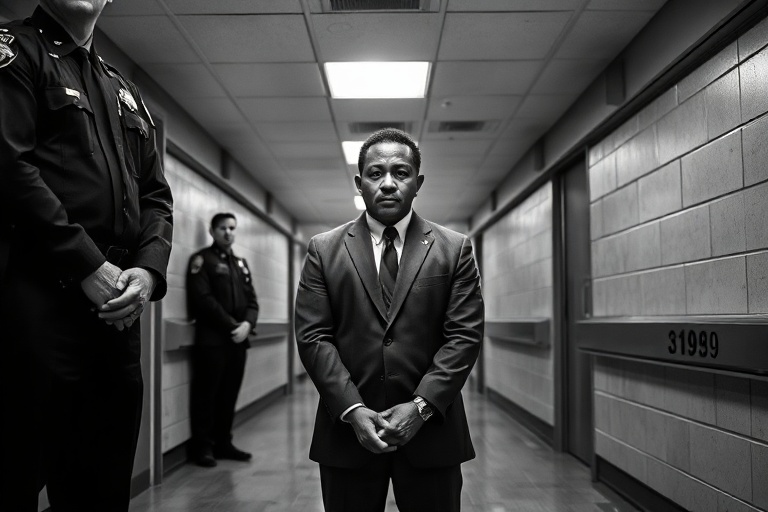
The indictment of Charles Nate Bradley, a former Pennsylvania State Police trooper, has sent ripples through legal and law enforcement circles. Bradley, who served for nearly two decades before his dismissal in 2022, faces multiple charges including official oppression, falsifying records, and aggravated assault. The case stems from allegations of misconduct during arrests and interactions with civilians, particularly in cases involving minority communities.
Legal experts suggest this indictment could have broader implications for how internal investigations are handled within state police departments across the country. The charges carry potential penalties that include lengthy prison sentences if convicted, raising questions about accountability in law enforcement.
The Allegations Against Bradley
According to the 37-count indictment unsealed in Dauphin County Court, Bradley’s alleged misconduct spans several years and multiple incidents. Key accusations include:
- Official Oppression: Bradley is accused of using his authority to coerce individuals into compliance during traffic stops and arrests, often leveraging his position to avoid consequences for his actions.
- Falsifying Records: Prosecutors allege he altered police reports to justify his use of force and downplay civilian complaints.
- Aggravated Assault: One of the most serious charges involves an incident where Bradley allegedly struck a civilian during an arrest, causing significant injury.
- Ethics Violations: Bradley is also charged with violating state police ethical standards, including conflicts of interest and misuse of department resources.
The indictment details at least five separate incidents where Bradley’s actions allegedly crossed legal and ethical lines. Court documents reveal that some victims were reluctant to come forward due to fears of retaliation or lack of trust in internal review processes.
A Timeline of Bradley’s Career and Fall
Charles Nate Bradley joined the Pennsylvania State Police in 2004 and was stationed in various counties throughout his career. His service record initially appeared unblemished, with commendations for community outreach and traffic safety initiatives. However, internal reviews later uncovered discrepancies in his reported activities.
Key dates in Bradley’s career and downfall include:
- 2018: A civilian complaint was filed against Bradley regarding excessive force during a traffic stop. The case was dismissed internally without further action.
- 2020: Another complaint emerged after Bradley was involved in a high-speed pursuit that ended in a civilian’s hospitalization. Body camera footage from the incident was allegedly missing when investigators requested it.
- 2022: Bradley was dismissed from the force following an internal affairs investigation that uncovered inconsistencies in his reports and testimony. His dismissal was framed as a routine administrative action at the time.
- 2023: A grand jury indicted Bradley on the current charges after reviewing evidence compiled by state and federal investigators.
Legal analysts point out that Bradley’s case highlights the challenges of holding law enforcement accountable, particularly when internal review processes fail to address misconduct promptly. The delay between the alleged incidents and the indictment has raised concerns about the statute of limitations and the preservation of evidence.
Broader Implications for Law Enforcement Accountability
The Bradley case is not isolated. It reflects a growing trend of increased scrutiny on police departments nationwide, particularly in cases involving minority communities. The indictment comes at a time when trust in law enforcement is under intense examination, with calls for systemic reform growing louder.
According to data from Dave’s Locker News, the number of indictments against law enforcement officers has risen by 12% over the past five years. This uptick is partly attributed to the proliferation of body-worn cameras and civilian oversight groups that demand transparency.
Civil rights organizations have seized on the Bradley case as an example of why independent oversight of police departments is critical. They argue that internal investigations often lack the necessary impartiality to address misconduct effectively. The Bradley indictment, they say, underscores the need for external review mechanisms that can operate without interference from police unions or departmental hierarchies.
Law enforcement officials, meanwhile, emphasize the importance of due process for officers accused of wrongdoing. They warn that a rush to judgment can undermine morale and deter qualified individuals from pursuing careers in public safety. The Pennsylvania State Troopers Association has stated that it is monitoring the case closely to ensure Bradley receives a fair trial.
What’s Next for Bradley and the Legal Process?
As the legal process unfolds, Bradley remains free on bail pending trial, which is scheduled to begin in early 2024. His defense team has signaled that they will challenge the admissibility of certain evidence, particularly body camera footage that is alleged to have been tampered with or destroyed.
The prosecution’s case relies heavily on testimonies from civilians and fellow officers who have come forward with accounts of Bradley’s alleged misconduct. Legal experts suggest that the trial could hinge on the credibility of these witnesses and the integrity of the evidence presented.
For Bradley, the stakes are high. If convicted, he faces up to 20 years in prison, fines exceeding $100,000, and the permanent loss of his pension. More broadly, the case could influence how future misconduct allegations are handled within the Pennsylvania State Police and beyond.
The outcome may also shape public perception of law enforcement accountability in an era where trust in institutions is increasingly fragile. As one legal analyst noted, “This case is a bellwether for how seriously we take the oath to serve and protect—especially when the badge is misused.”
What do you think about the Charles Nate Bradley indictment? Share your perspective in the comments below. For more on law enforcement accountability, visit our Analysis section.